
Porsche
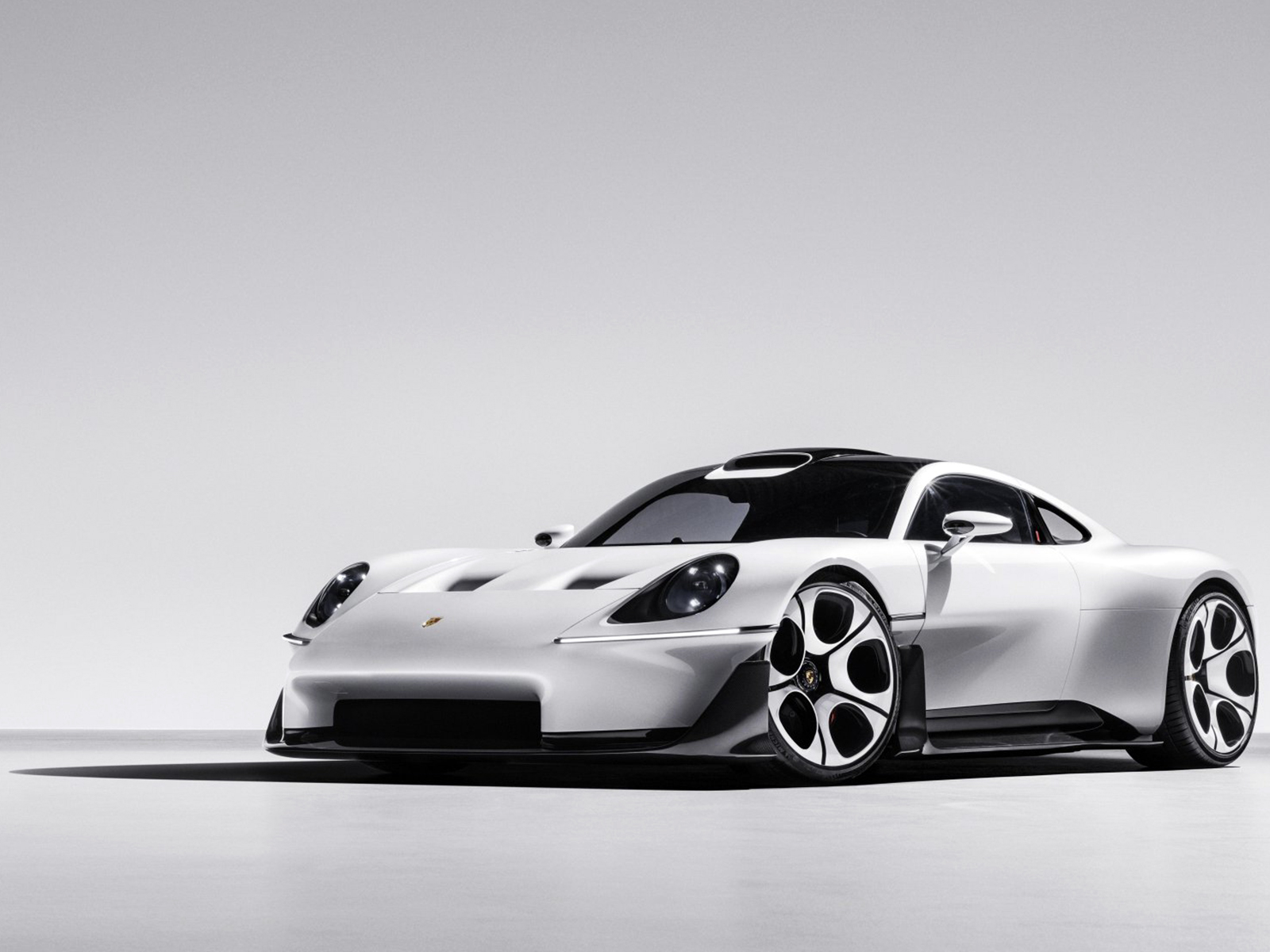
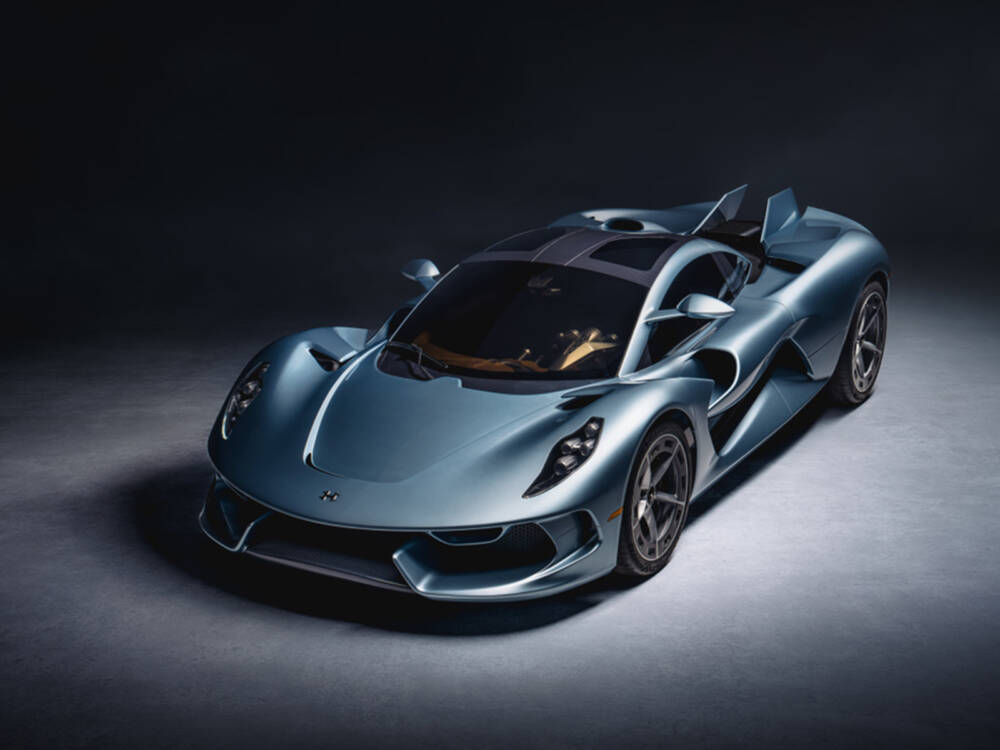
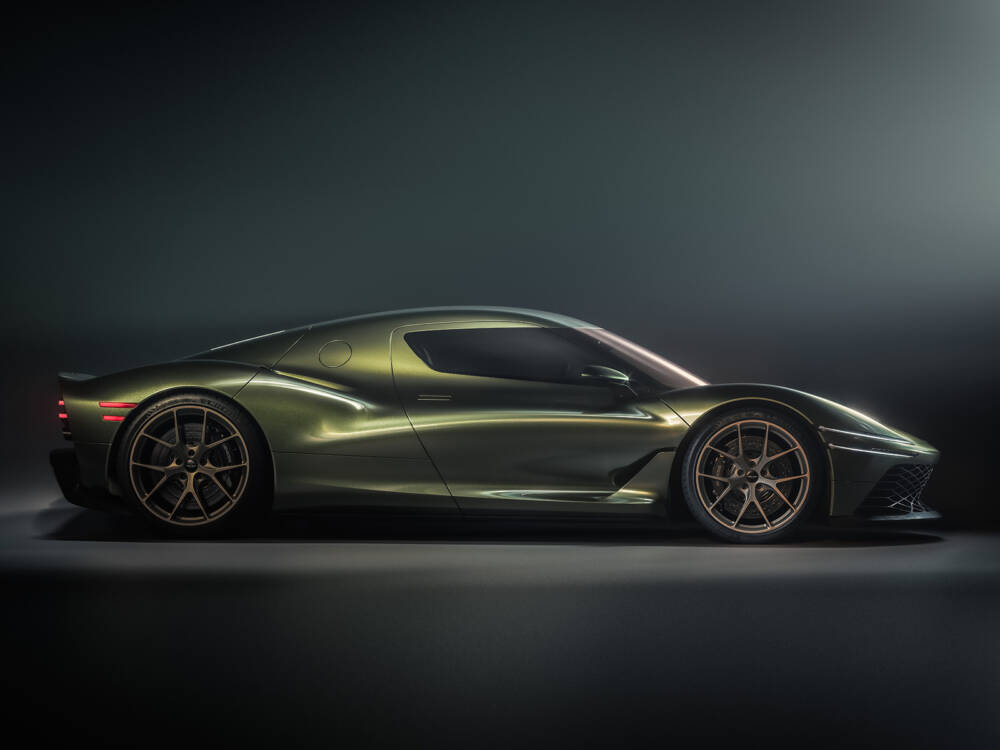
Porsche knows the power of a silhouette. For decades, its cars have evolved without losing the visual identity that makes them instantly recognizable. The Mission S takes that discipline somewhere new, with a mid-engine architecture, sculptural bodywork and a cockpit that keeps the driver firmly in the picture.
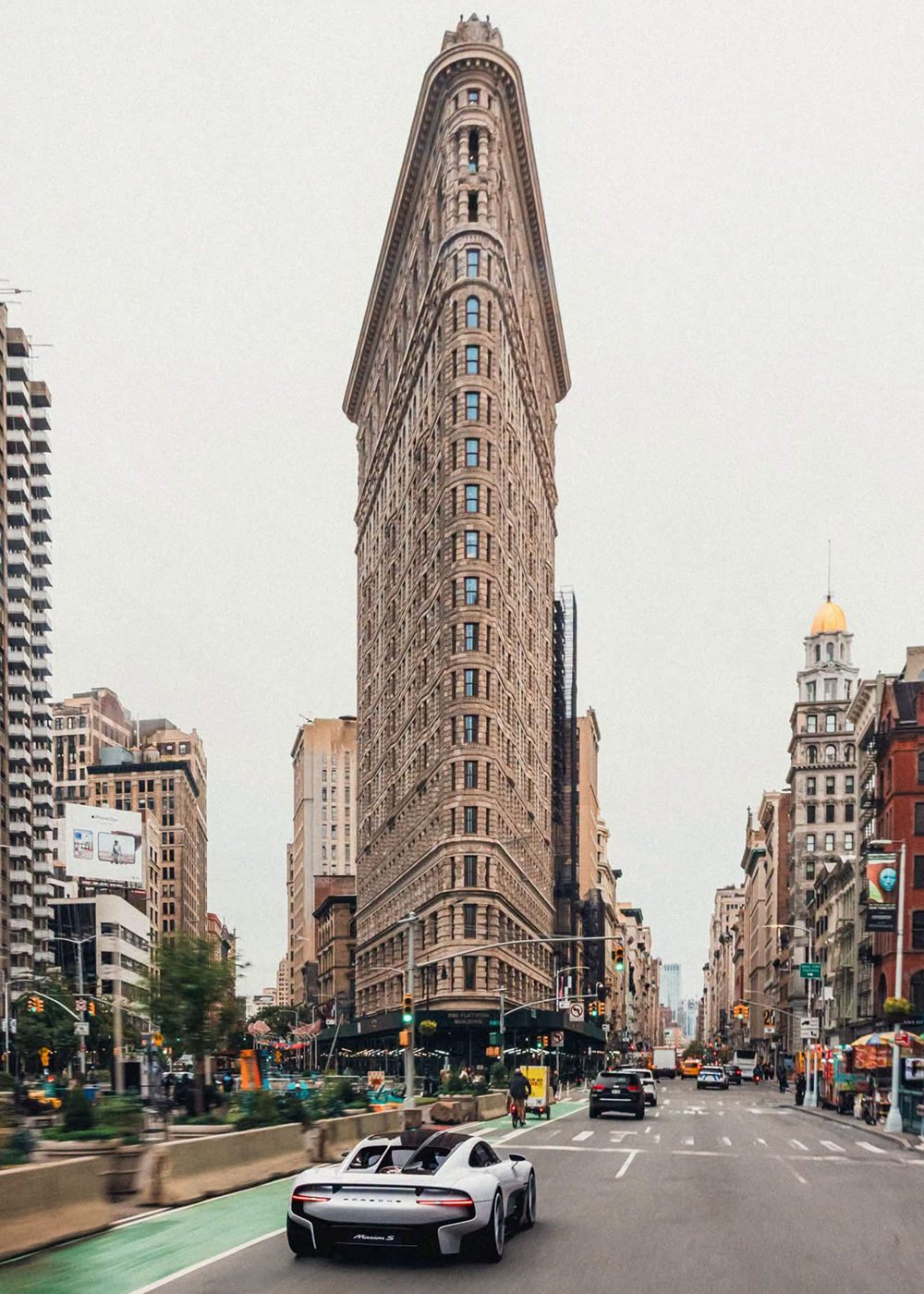
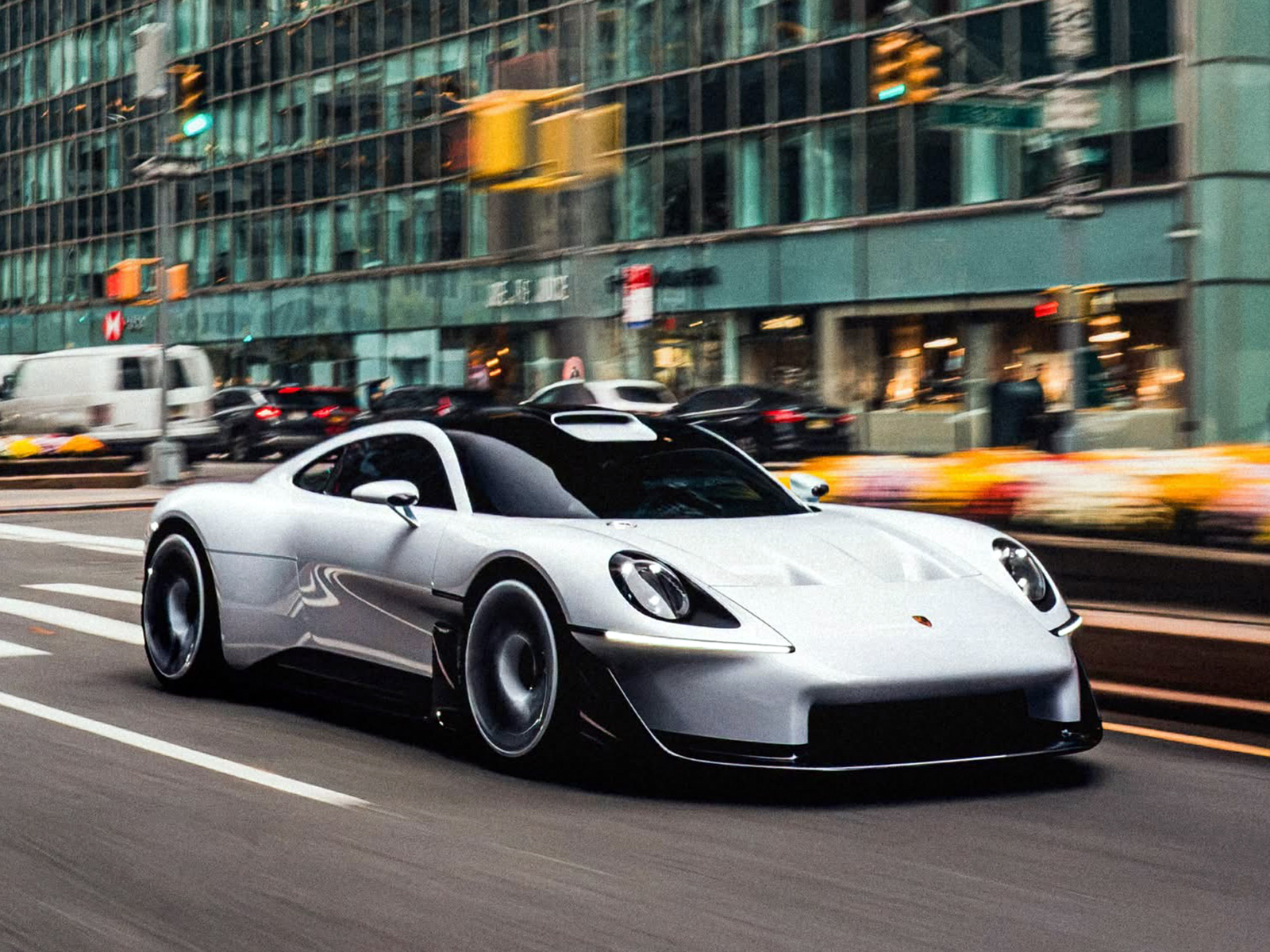
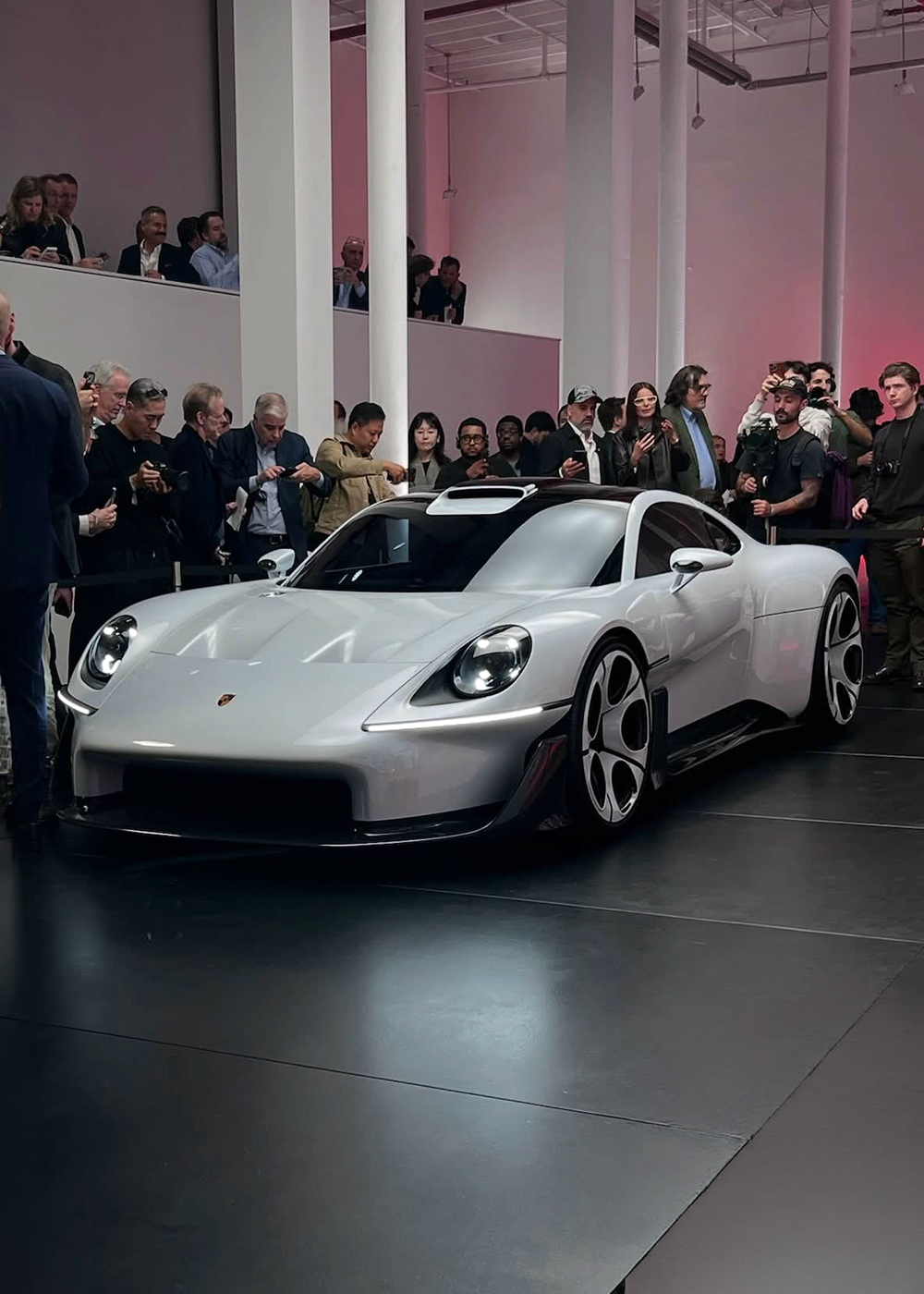
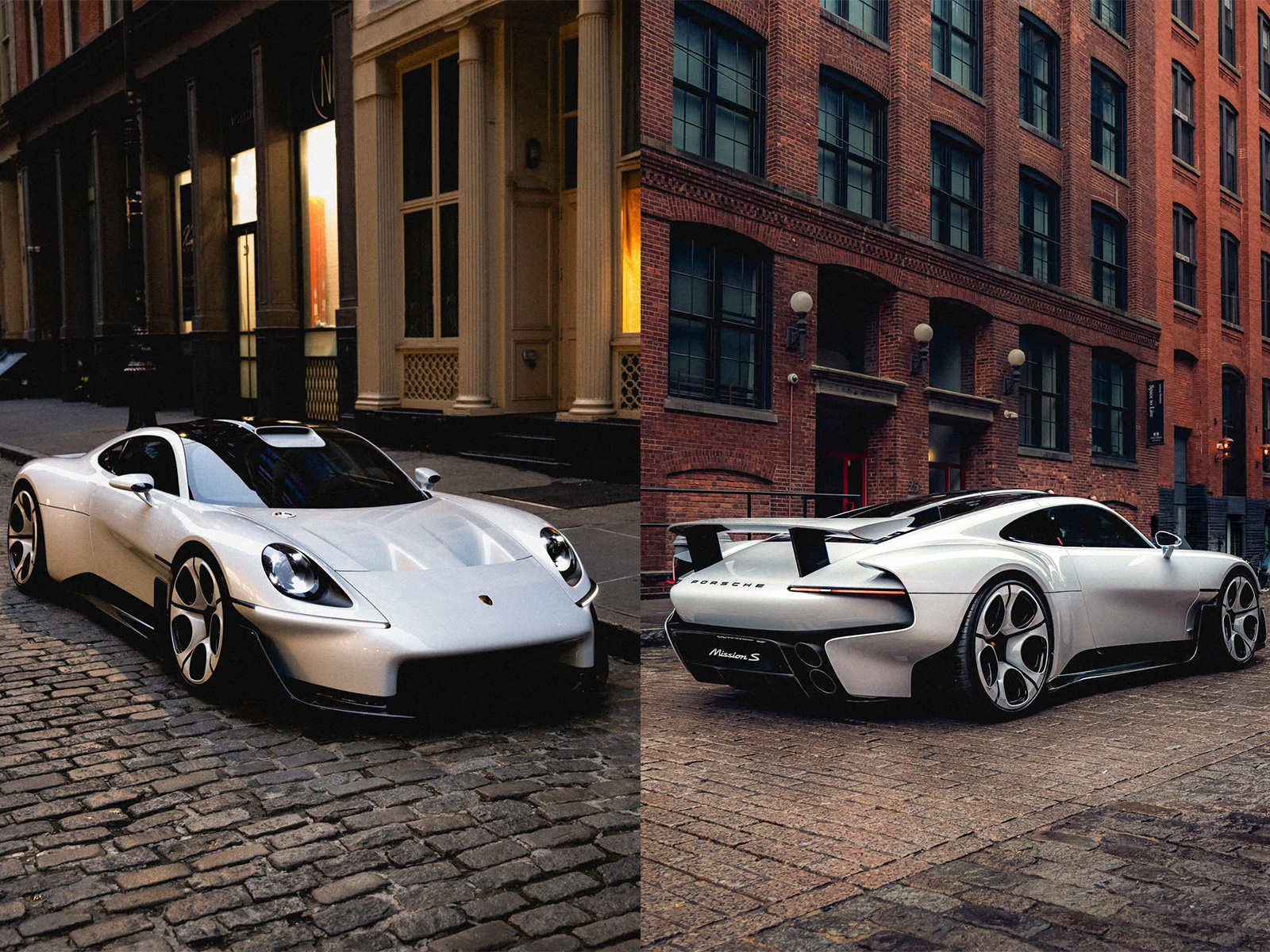
Unveiled in Queens, New York, the Mission S previews a super sports car intended to sit above the 911. The proportions are different, the stance more exotic, but the family resemblance is unmistakable. Porsche isn’t abandoning its design language. It’s testing how far it can stretch.
Form with attitude
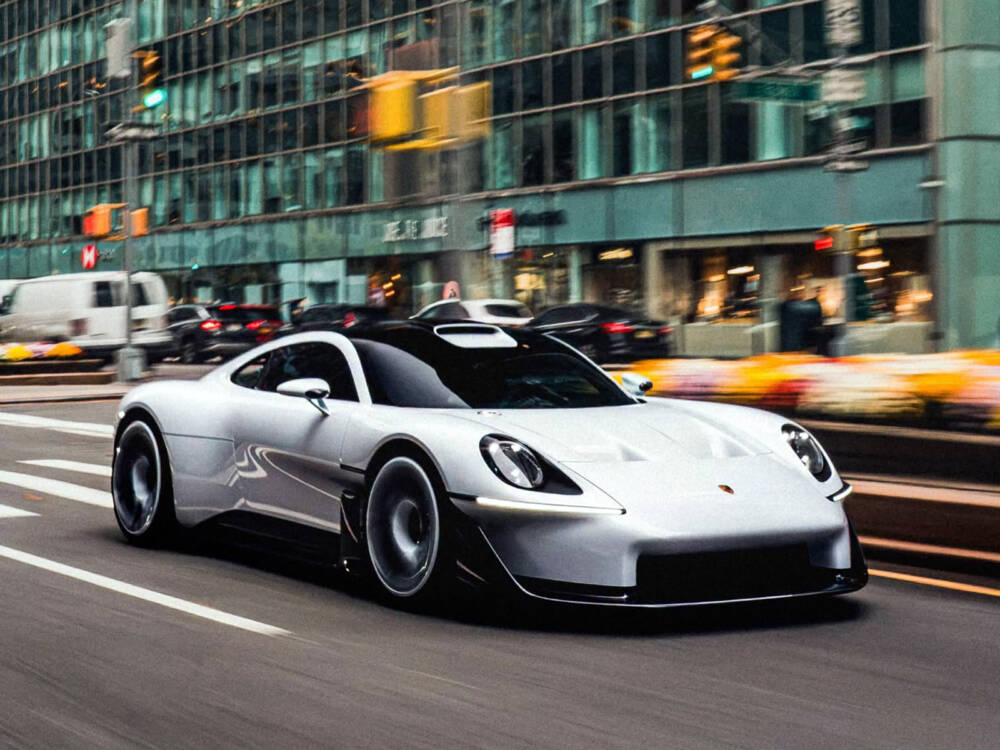
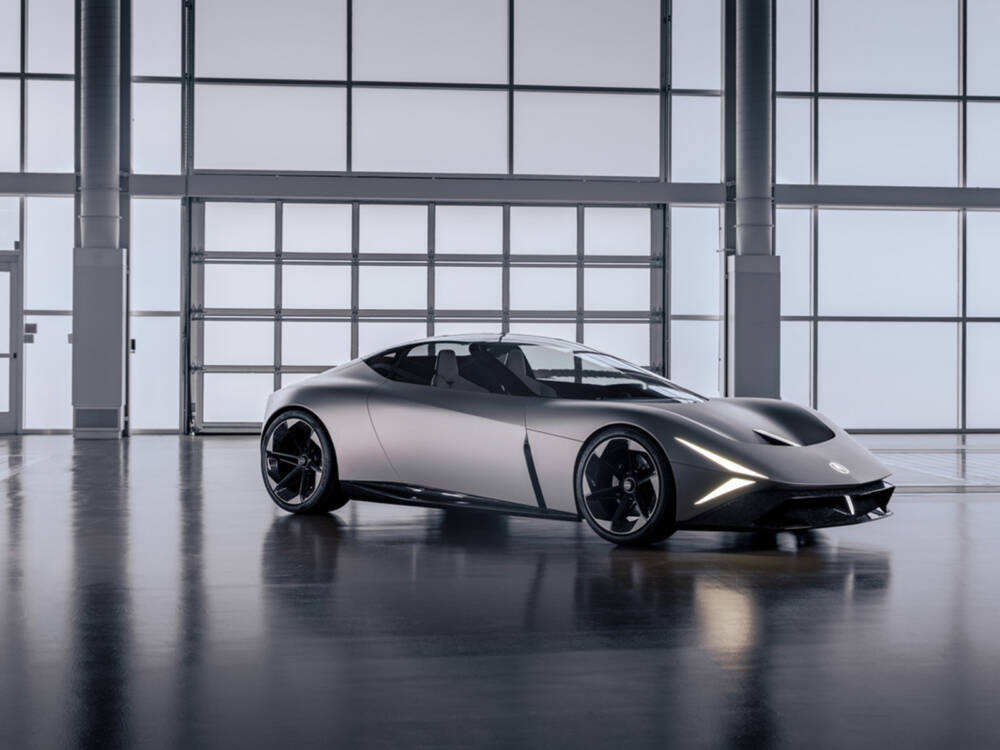
The front fenders rise sharply above the body, the roofline flows in one confident sweep, and the wide, low stance gives the Mission S a muscular, almost architectural presence. There is little unnecessary decoration. Instead, carefully sculpted surfaces create the impression of volumes floating above the car’s underlying structure.
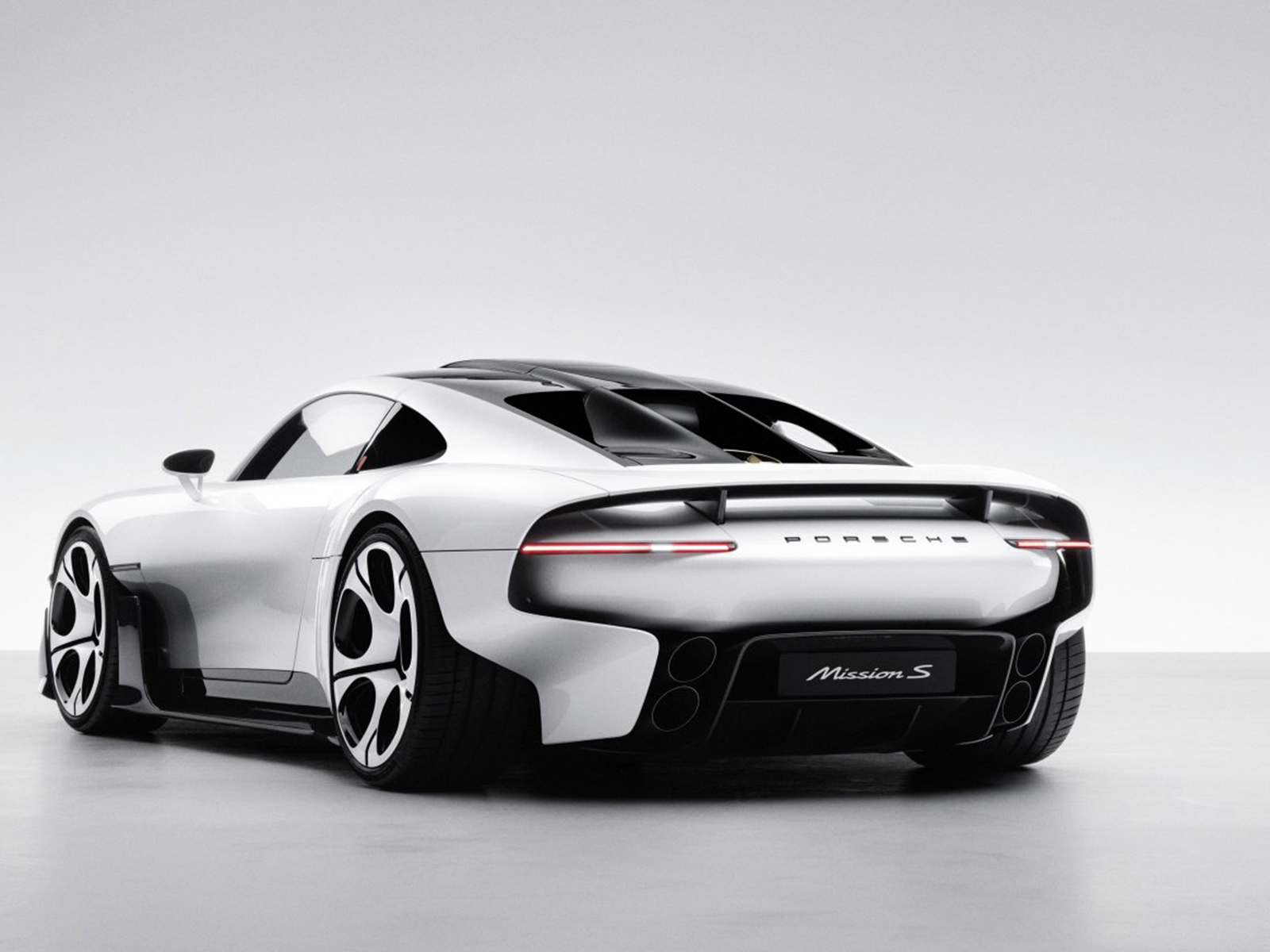
A continuous line connects the front and rear lighting signatures, bringing order to the design. Above it, the bodywork emphasizes strength and movement; below, the technical elements come into view. The effect is clean, deliberate and distinctly Porsche.
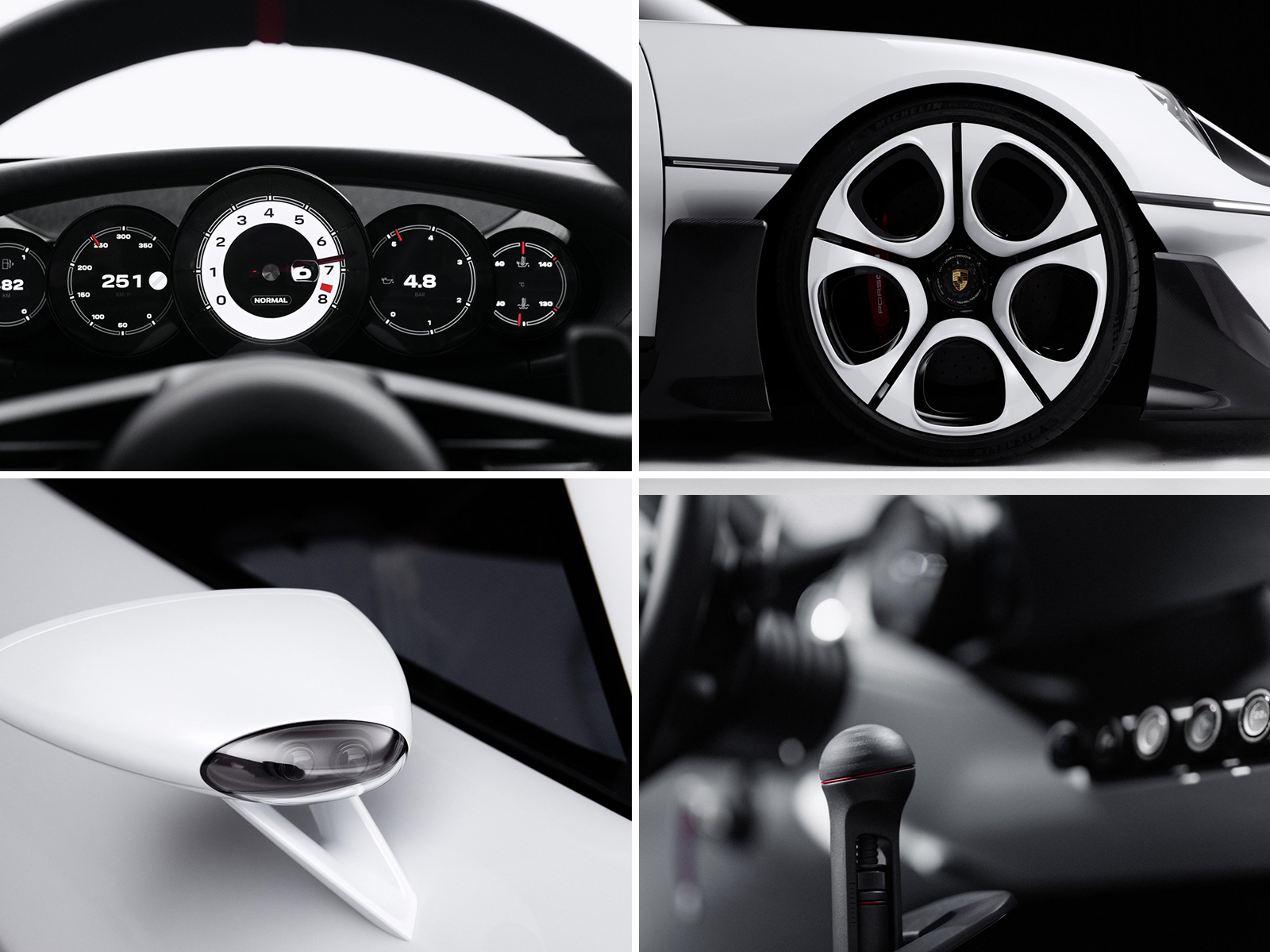
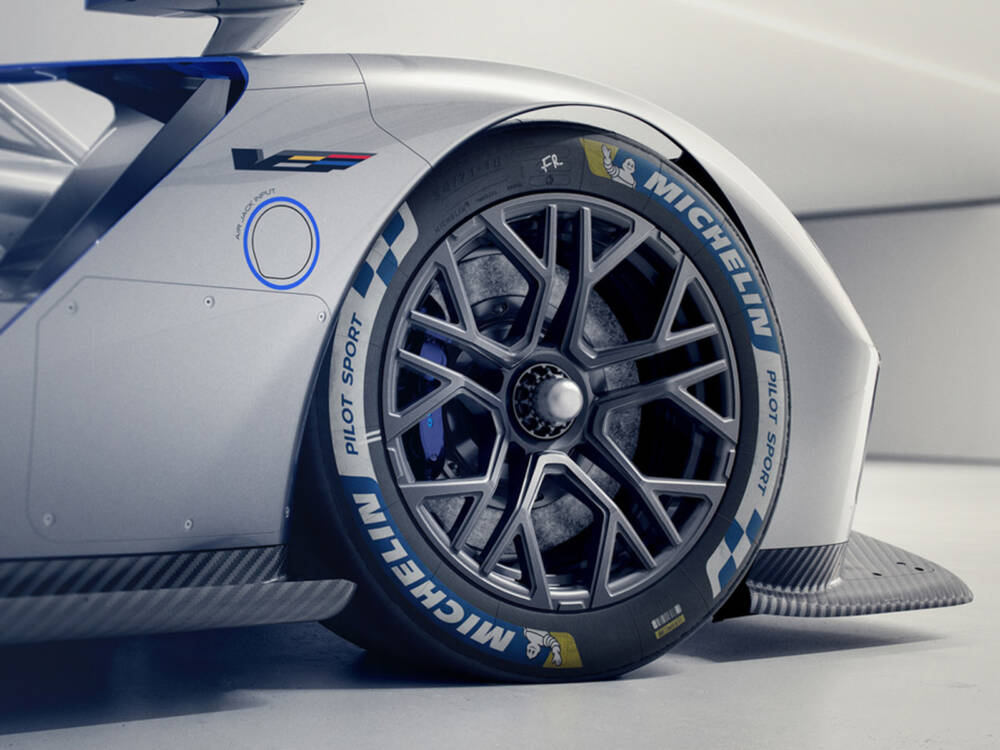
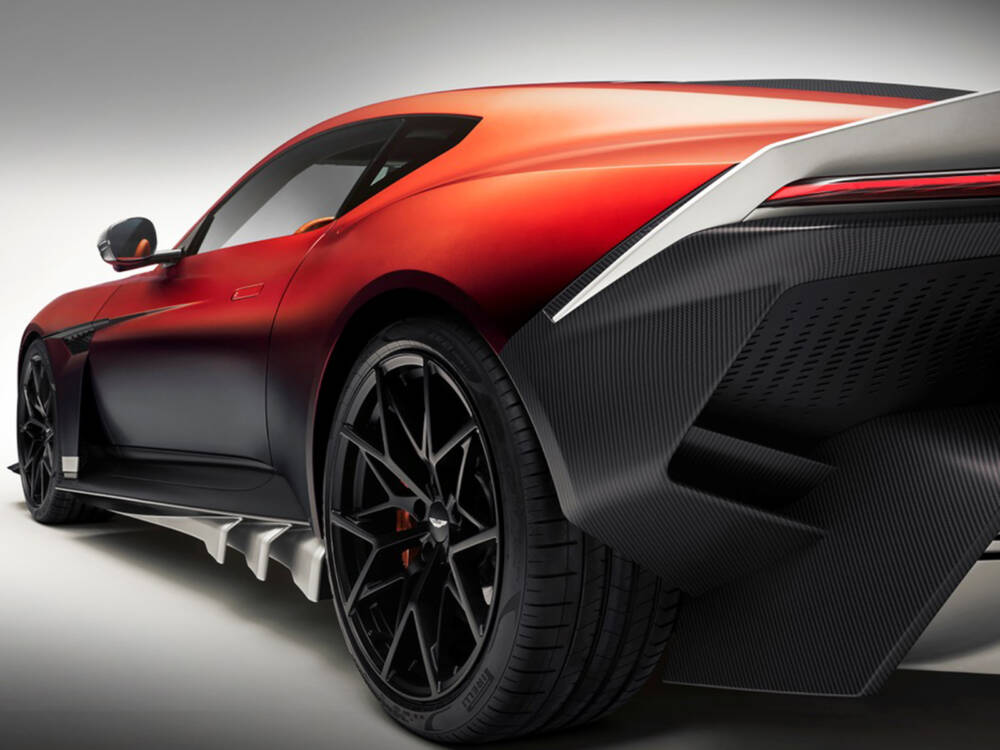
Engineering has its own beauty here. A rear cooling fan recalls the marque’s racing heritage, while an integrated active rear wing incorporates aerodynamic function into the car’s shape. The dial-inspired wheels nod to the Porsche 928, adding a touch of history without turning the design into an exercise in nostalgia.
Nothing feels decorative for decoration’s sake. The mechanics are part of the visual appeal.
Inside the lines
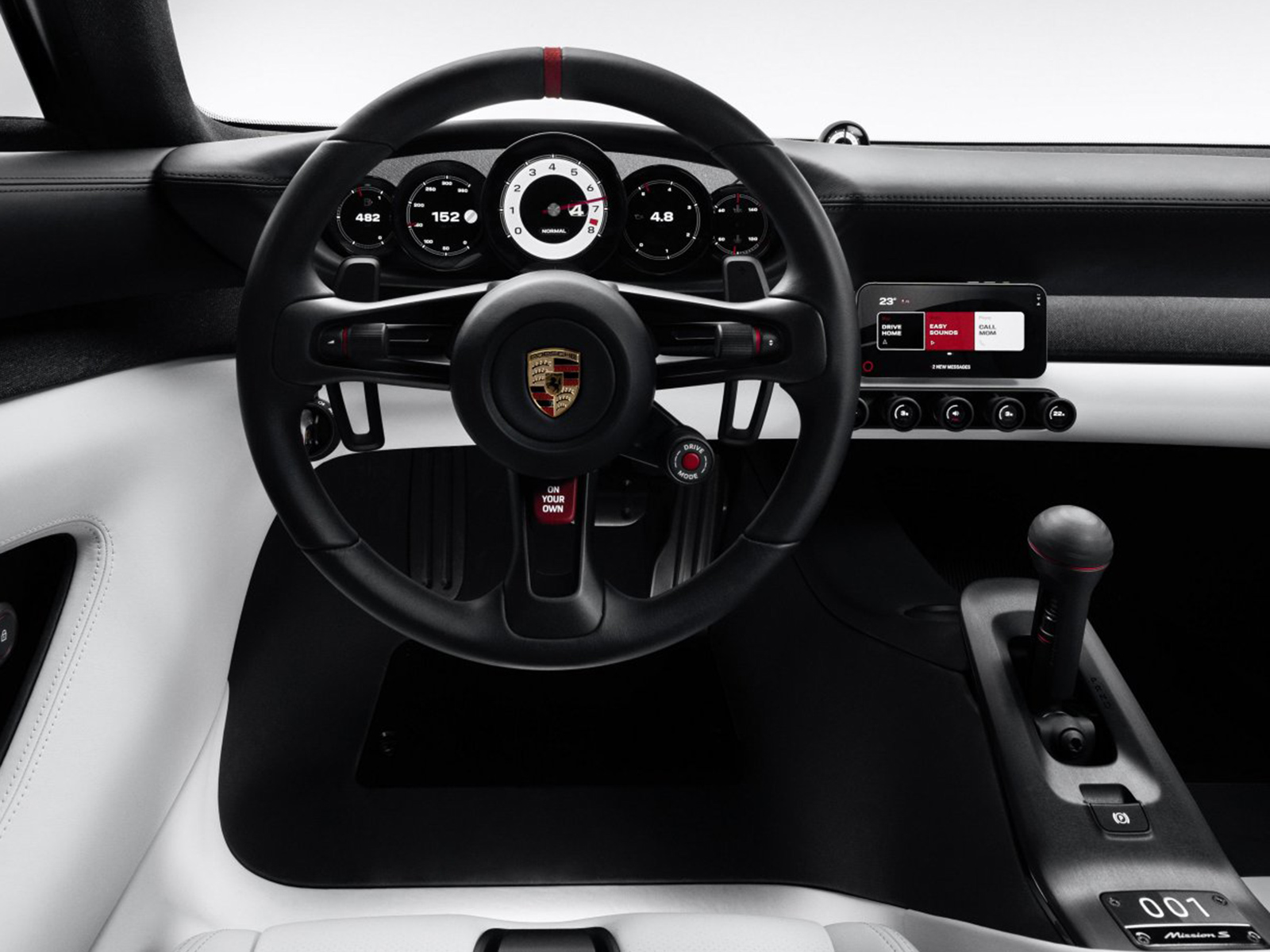
The cabin follows the same philosophy. Horizontal lines sweep across the dashboard and into the doors, framing a low driving position that makes the cockpit feel built around its occupant.
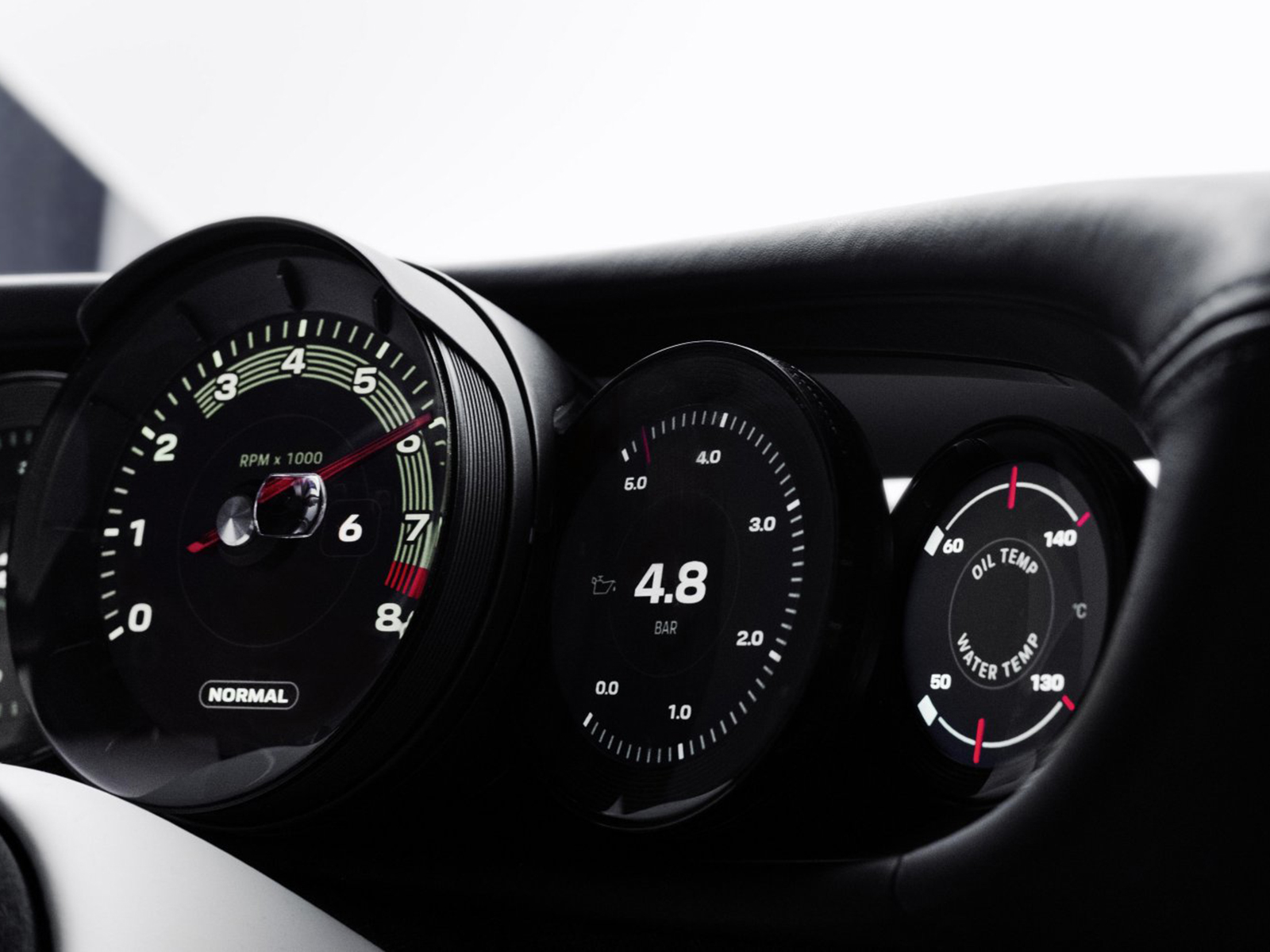
Five round instruments, anchored by an analogue-style rev counter, bring familiar sports-car character to a contemporary interior. Digital displays and physical controls coexist without competing for attention. Even the smaller details, from the integrated seatbelt buckle to the repositioned seat-adjustment controls, are considered part of the overall design.
In an era when automotive interiors increasingly resemble rolling technology demonstrations, the Mission S makes a persuasive case for restraint. The point is not to add more, but to get the essentials right.
The Porsche equation
The Mission S raises an interesting question: how far can Porsche move beyond the familiar 911 silhouette without losing what makes a Porsche a Porsche?
Its answer lies in proportion, purposeful engineering and a refusal to overcomplicate. The car feels contemporary without chasing futurism, and muscular without relying on visual aggression.
The Mission S remains a design preview, with final production details yet to be established. But its appeal is already clear. Porsche understands that reinvention doesn’t always require a new identity. Sometimes, it takes a different shape to make the familiar feel exciting again.