
Acura has spent the last few years finding its visual confidence again. The NEXERA Vision suggests it may have found something much more interesting: a new language.
Created at Acura Design California in Los Angeles under the direction of Yasutake Tsuchida, Acura’s Creative Director and Vice President of Auto Design, NEXERA Vision is more than a dramatic concept. It is a preview of where Acura is going.
And if the production cars follow this closely, Acura is about to get considerably more interesting.
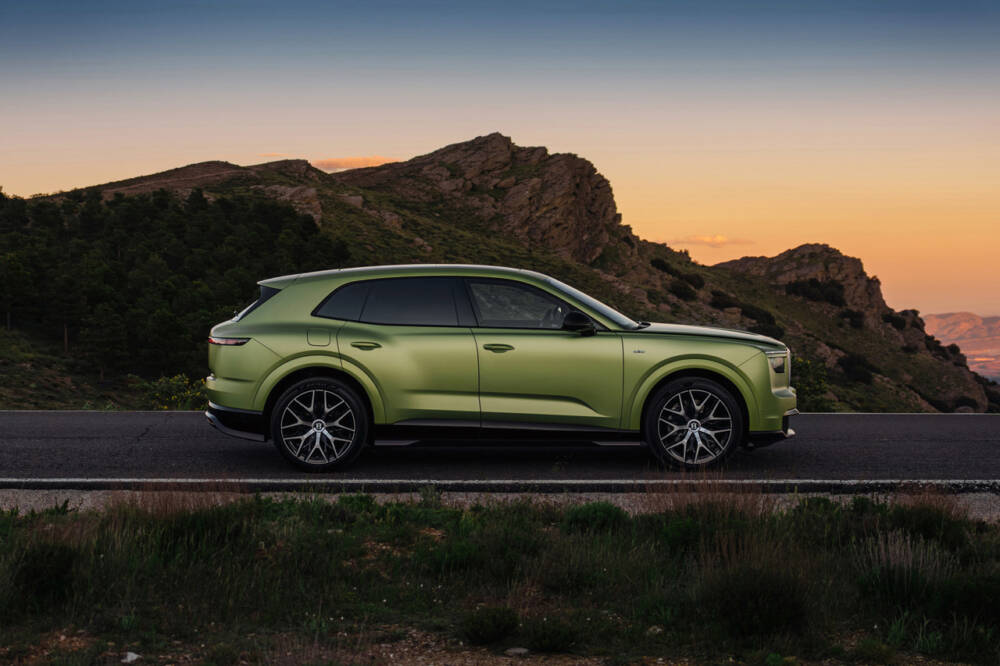
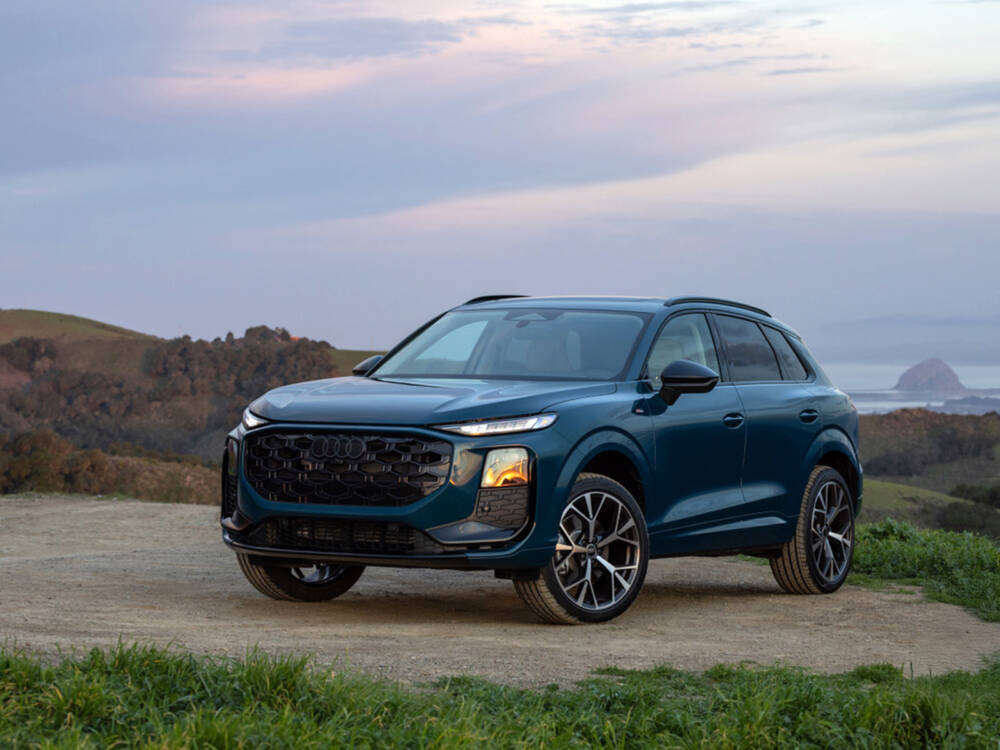
The concept arrives as Acura celebrates its 40th anniversary, using the occasion as a springboard for a new design direction built around what the brand calls its “challenger spirit.” The first production expression of that language will appear on the fourth-generation RDX Hybrid in the coming years.
But the NEXERA Vision is where the idea gets to be unapologetic.
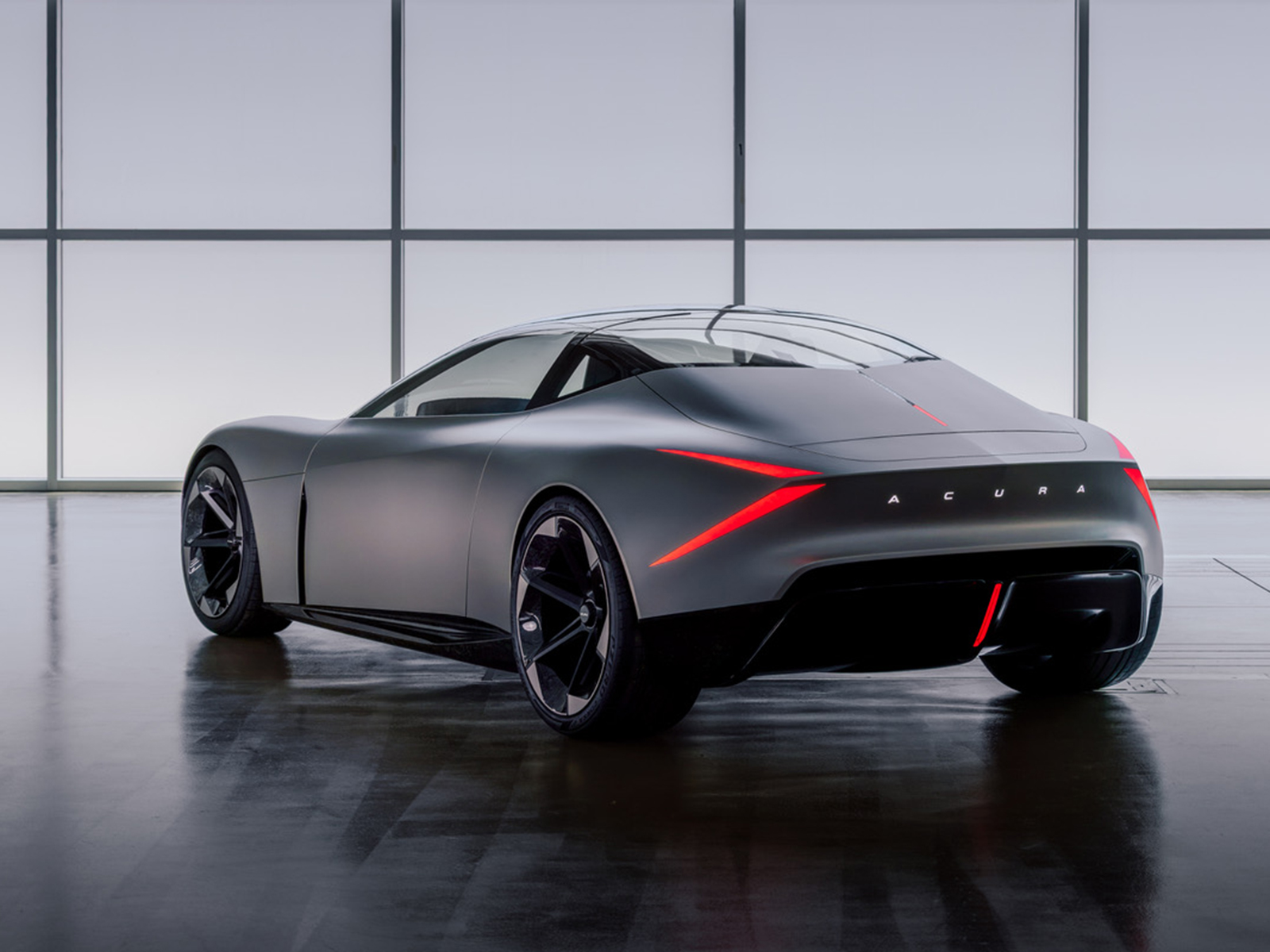
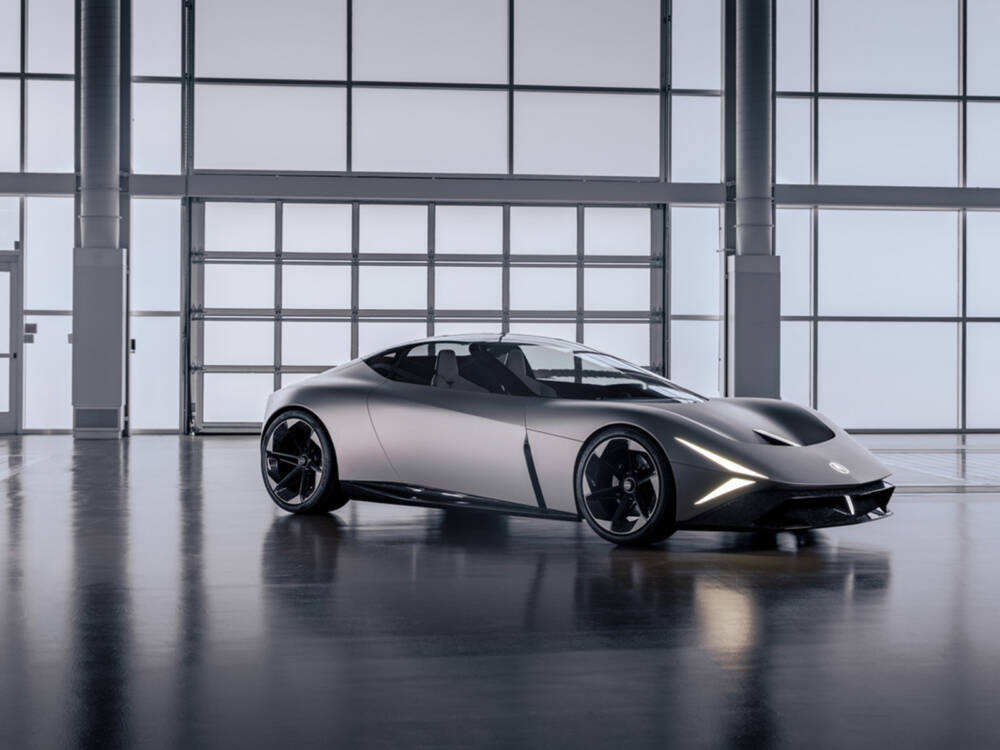
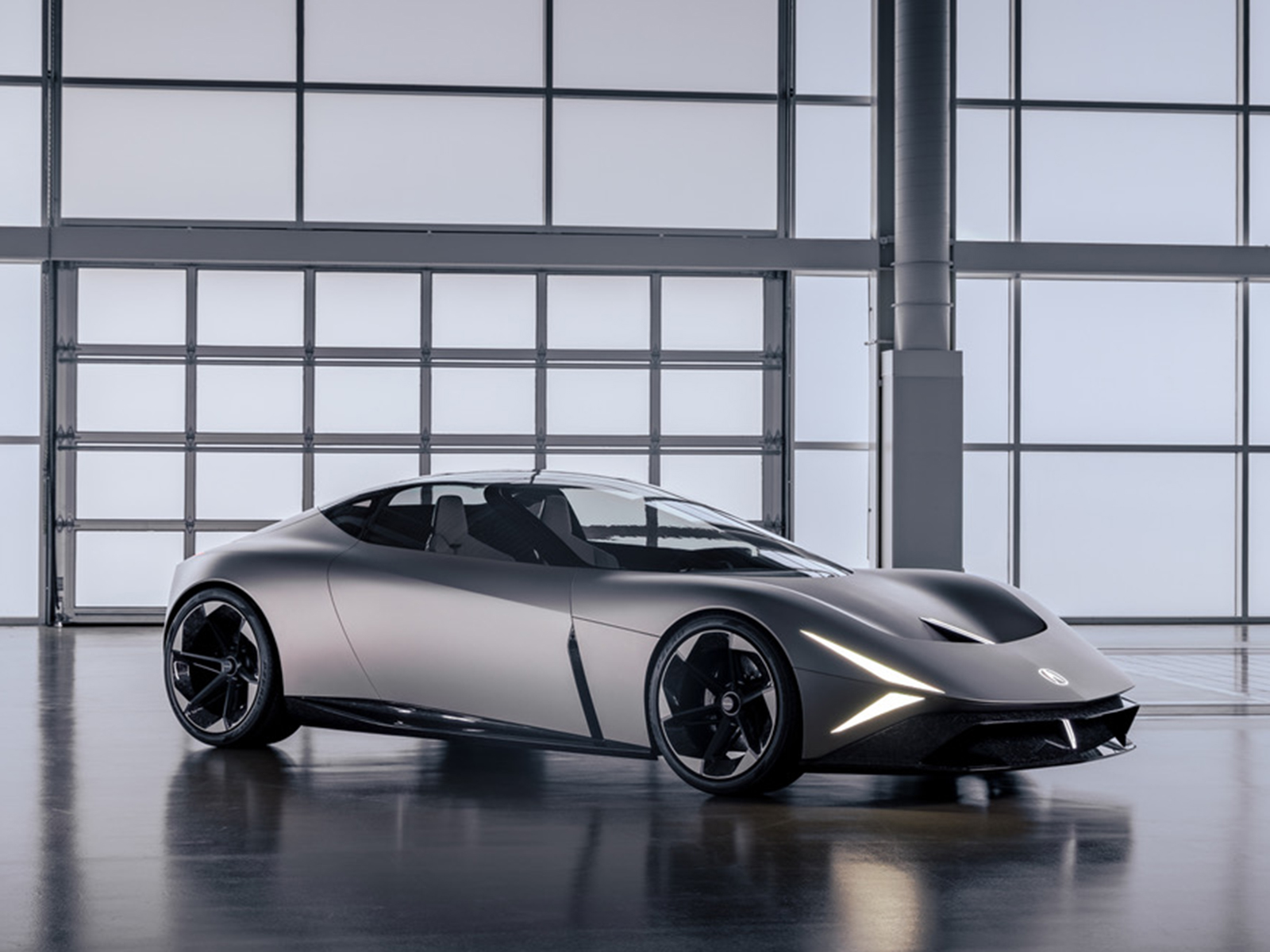
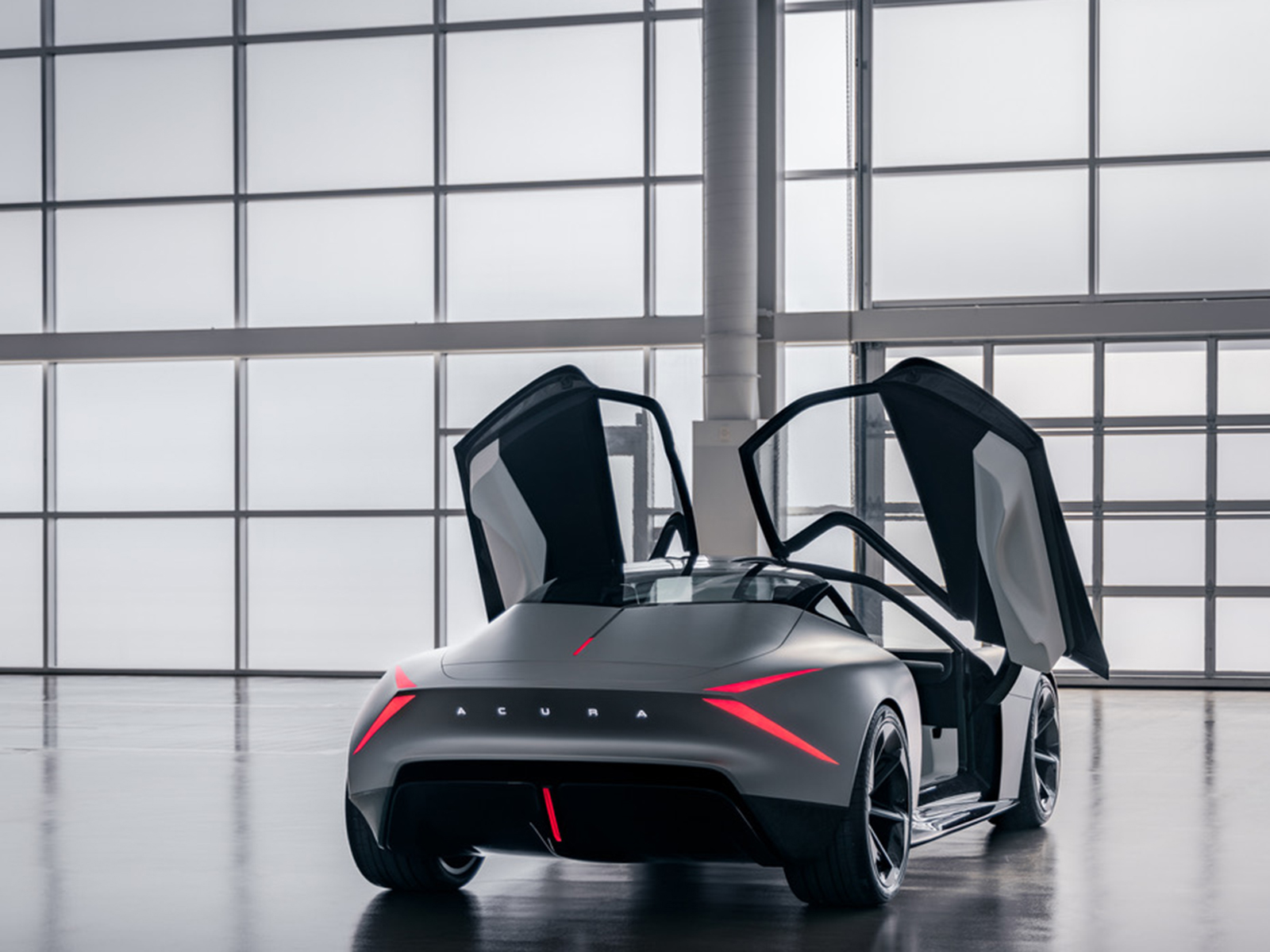
Its proportions are immediately striking: a long dash-to-axle relationship, broad shoulders, a low roofline and a one-motion cabin that gives the coupe an unusually confident stance. Finished in Matte Titanium, the bodywork has a restrained metallic depth that lets the sculpted surfaces do most of the talking.
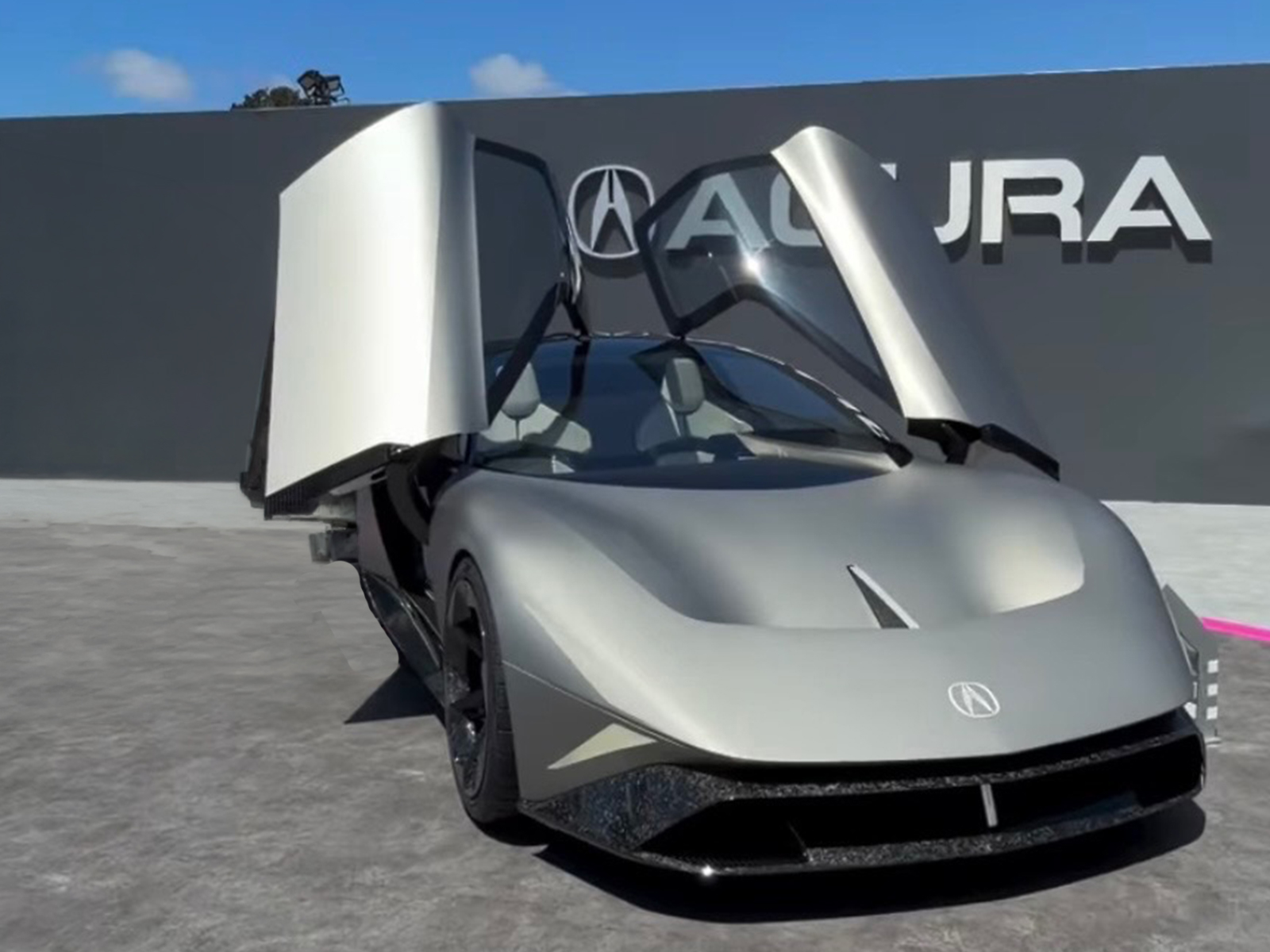
Dual-hinge butterfly doors provide the obligatory concept-car drama, but here they feel integrated into the design rather than added for effect. The same is true of the active aerodynamics, which are tucked into the bodywork until needed.
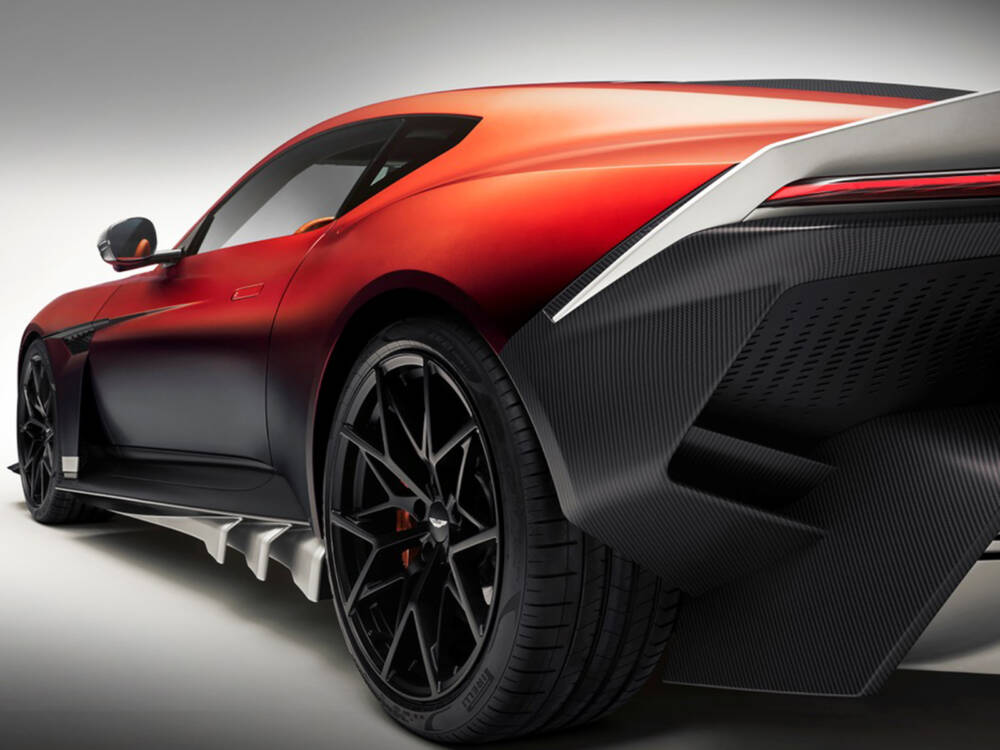
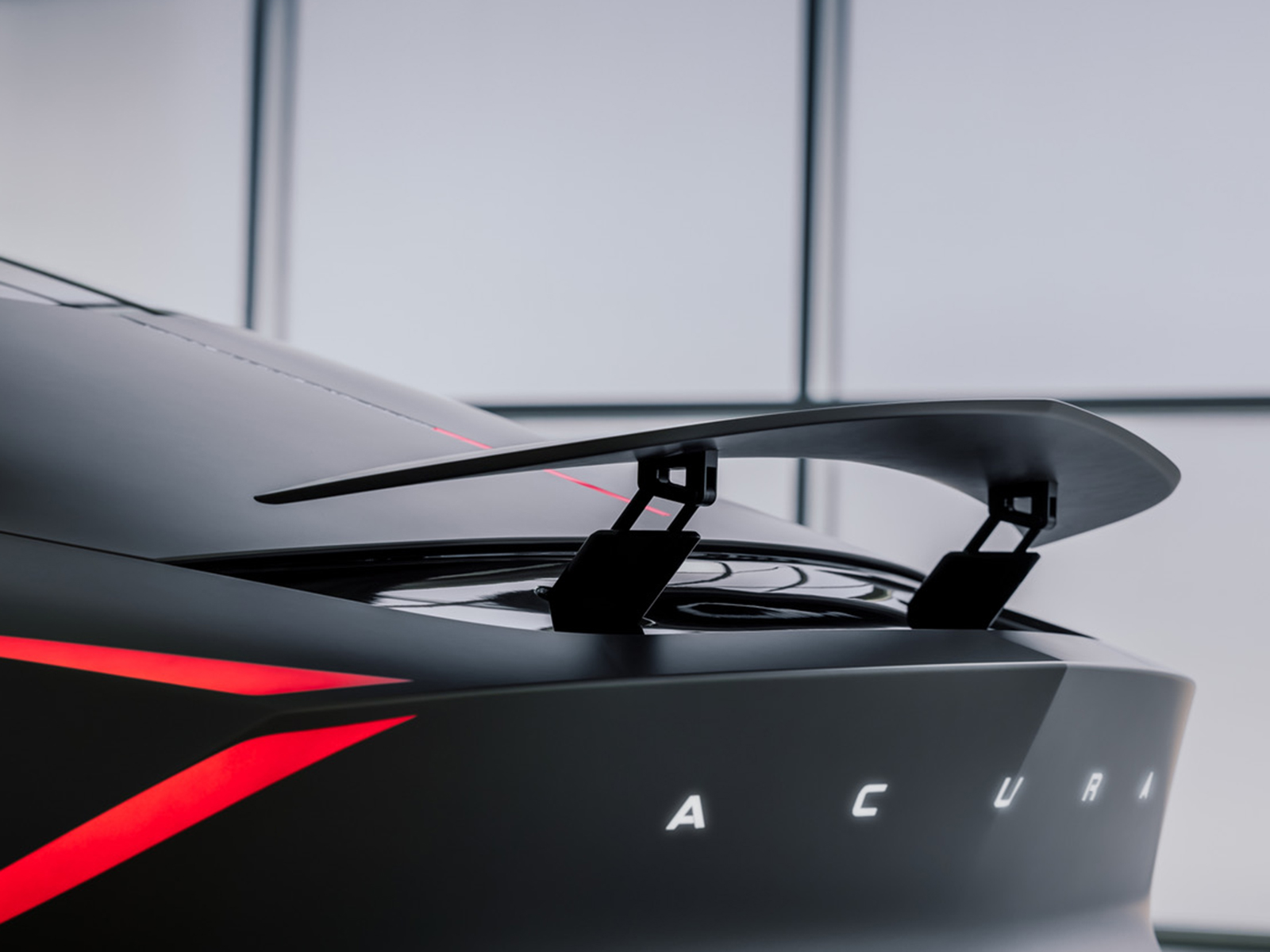
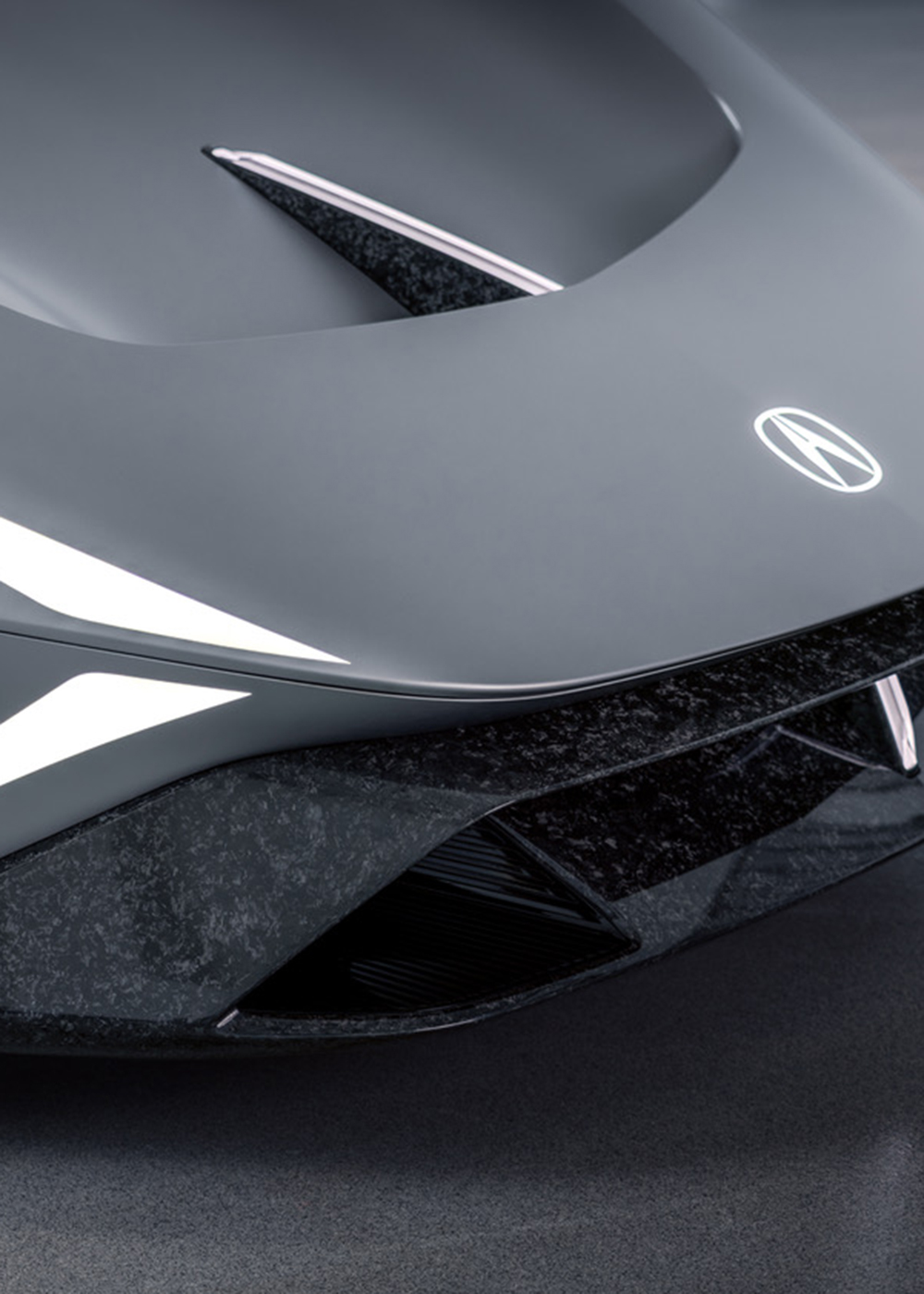
At the rear, an active spoiler manages airflow over the decklid, improving efficiency, stability and braking performance. The aero-channel fascia and rear diffuser are formed from forged carbon, which also appears throughout the rocker panels, inner door structures and other performance details.
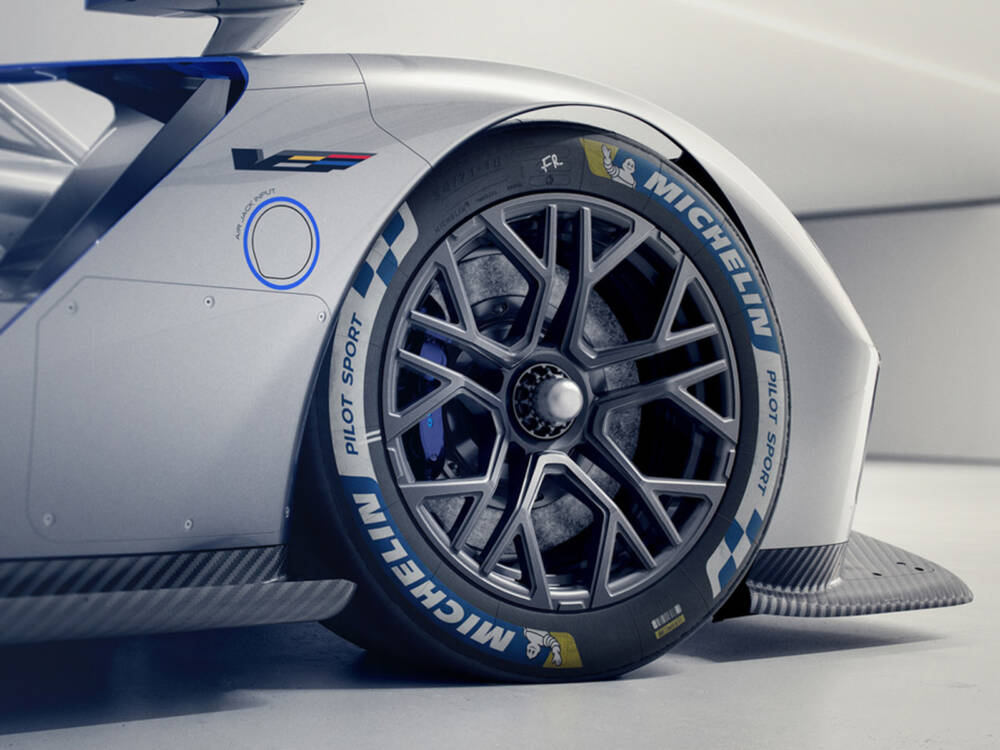
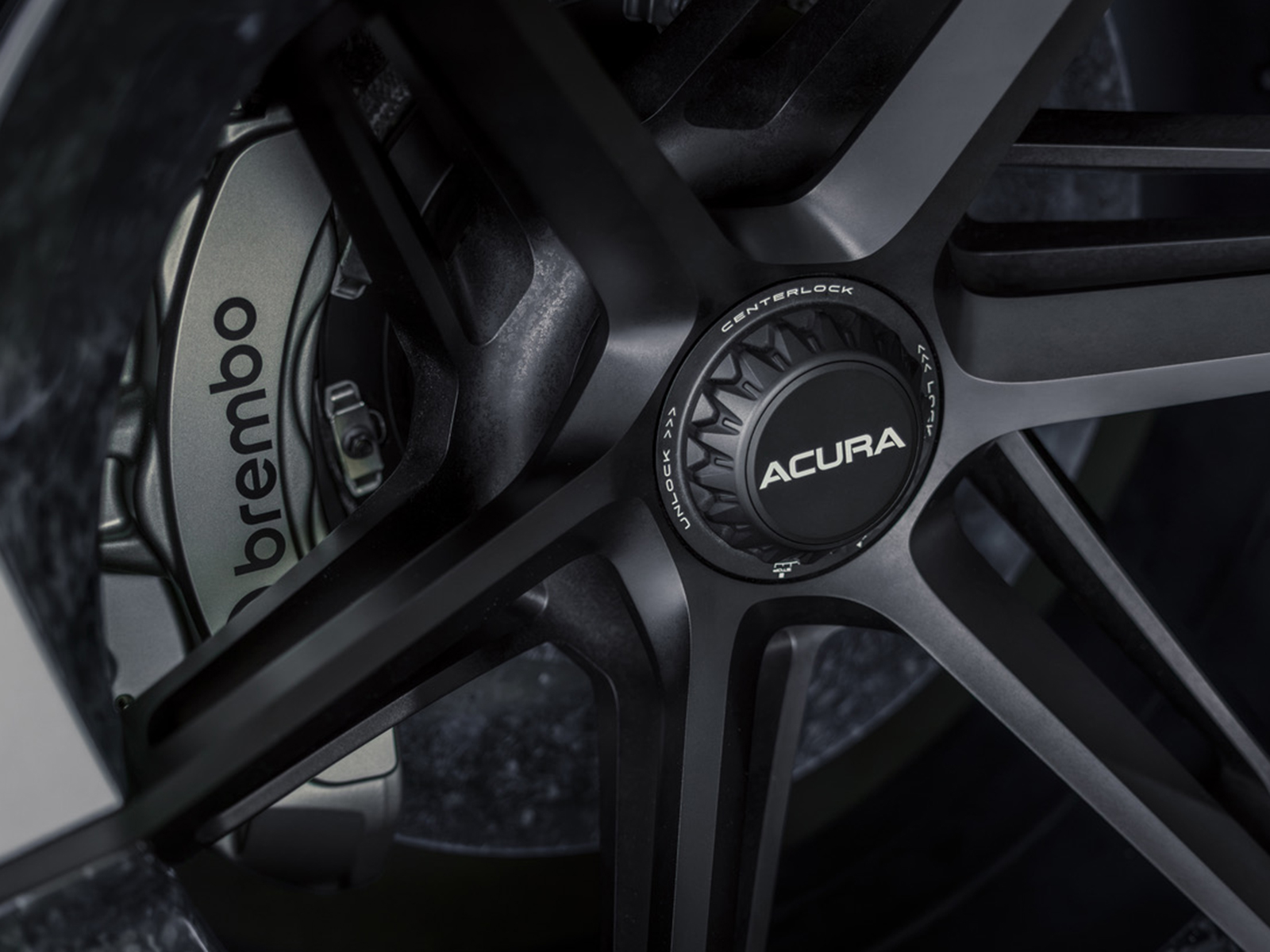
The 22-inch center-lock wheels are a first for Acura, with a directional three-dimensional design and matte anodized finish incorporating forged carbon-fibre inserts. Behind them sit high-performance carbon-ceramic Brembo brakes.
It is a lot.
But somehow, the NEXERA Vision manages not to feel like a collection of concept-car tricks.
That may be its most compelling quality.
Even the lighting has been treated as part of the sculpture. Acura’s new “phantom lighting” remains hidden within the bodywork until illuminated, allowing the exterior surfaces to remain remarkably clean. Ultra-thin headlights and taillights reinterpret Acura’s A mark into a new signature that will begin appearing on future production models.
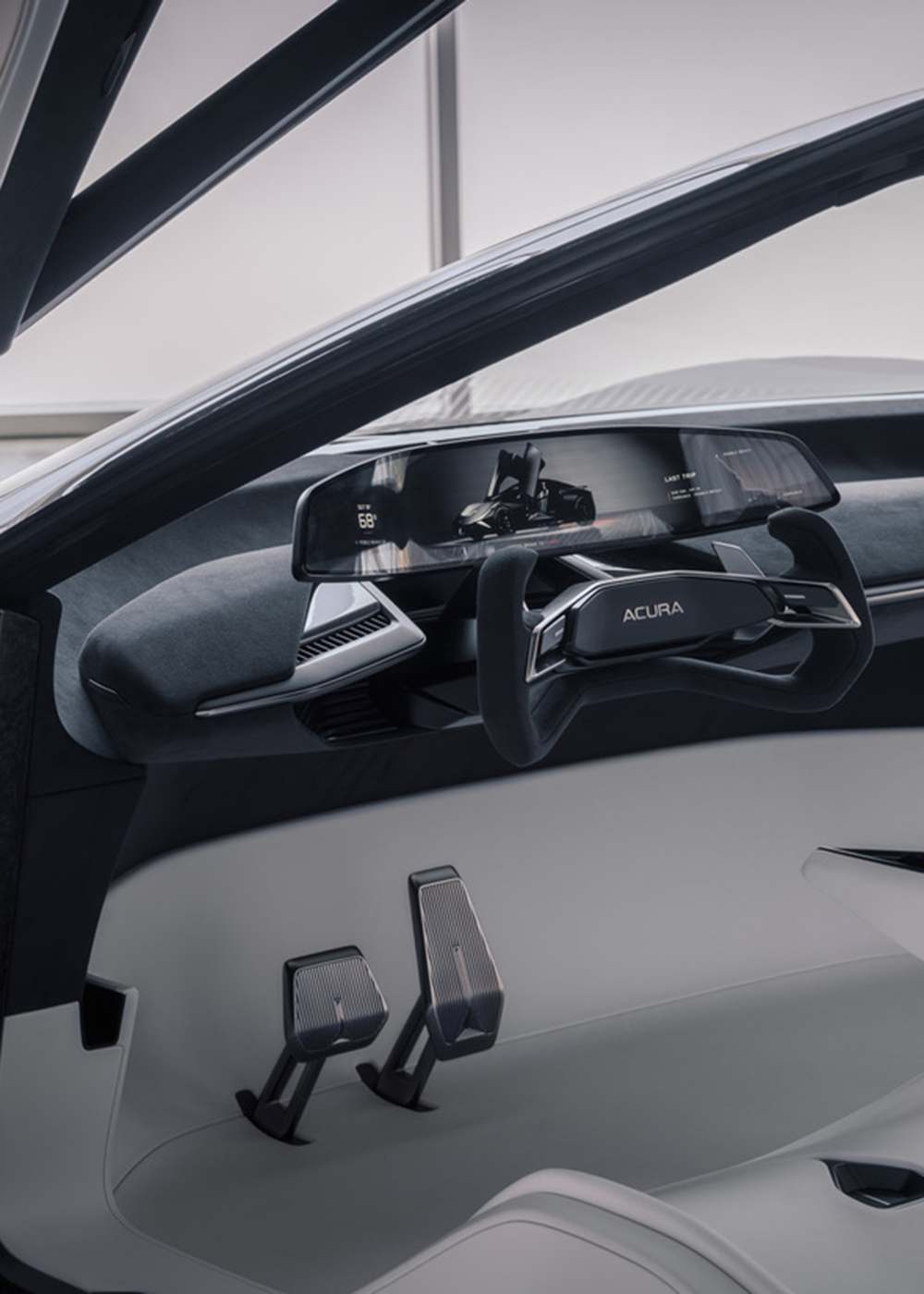
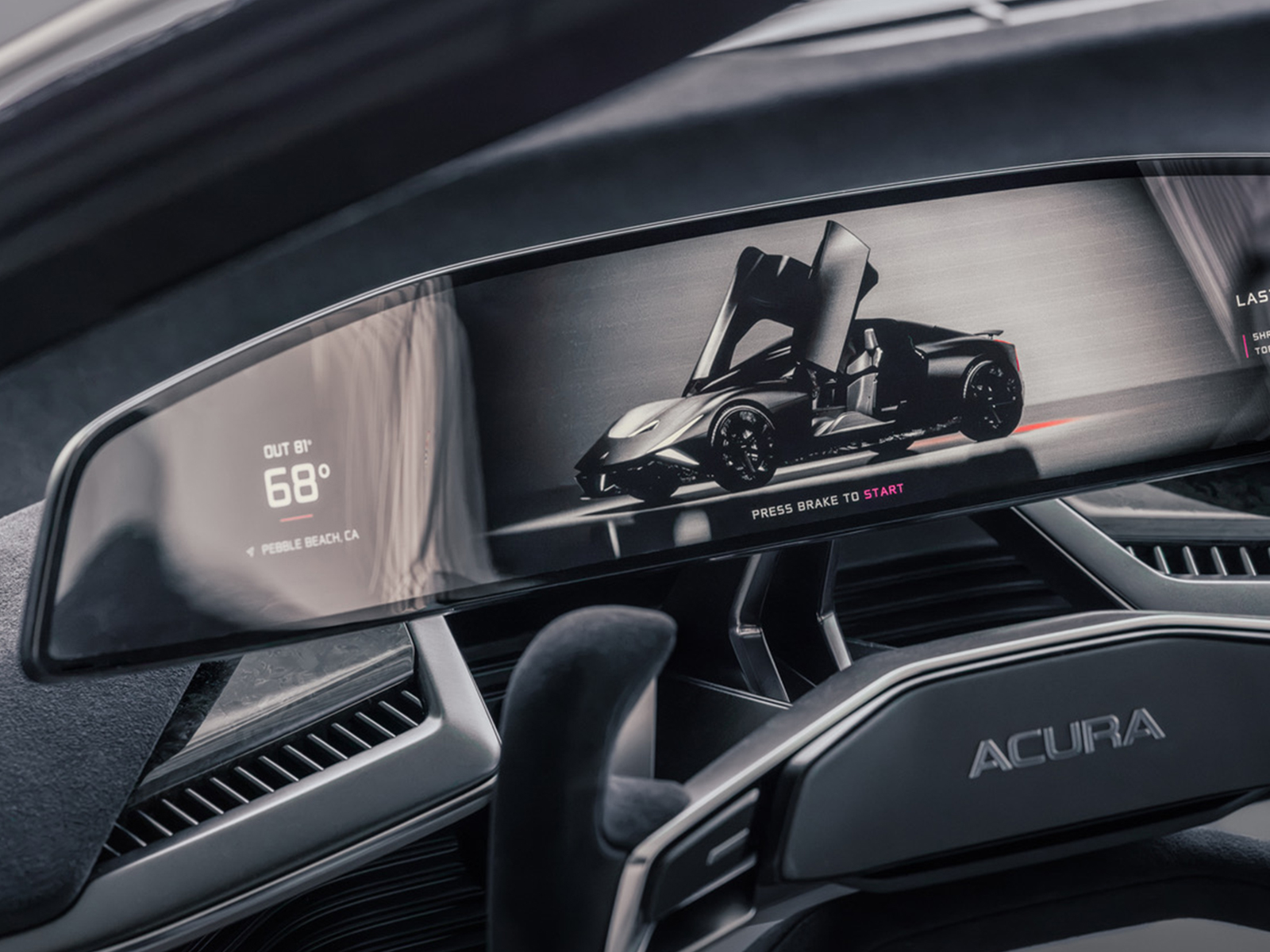
Inside, the same philosophy continues.
The cabin is intimate without feeling claustrophobic, with a driver-focused environment designed around the idea that performance should remove distractions rather than add them. Materials and technology are integrated rather than displayed for their own sake, creating a cockpit that feels more like a carefully composed space than a technology demonstration.
Acura is not simply trying to make its cars look more aggressive. NEXERA Vision suggests a more disciplined approach—strong proportions, sculptural surfaces, carefully concealed technology and just enough drama to keep things interesting.
For a brand entering its fifth decade, it feels like a smart place to begin.
The NEXERA Vision is a concept, but its most important elements are already pointed toward production.
And if this is the new Acura, we’re paying attention.