
Monterey Car Week is one of the great annual gatherings of style and automobiles, but with a seemingly endless procession of supercar unveilings, collaborations and collector-car spectacles, standing apart is no small feat. Spyker, however, has never been particularly interested in blending in.
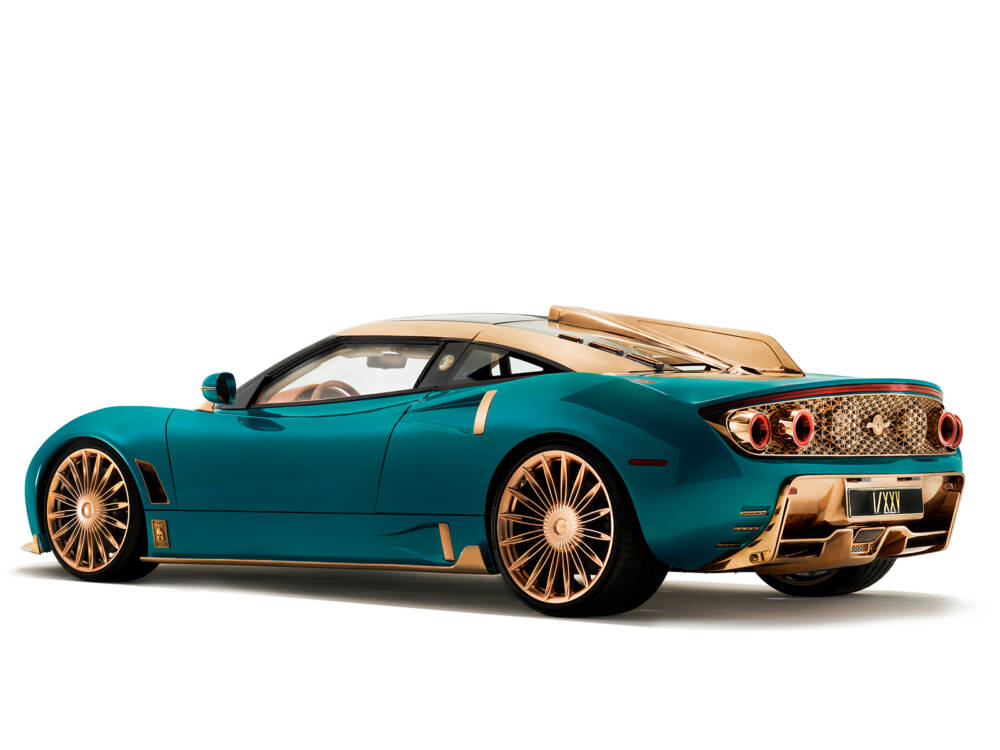
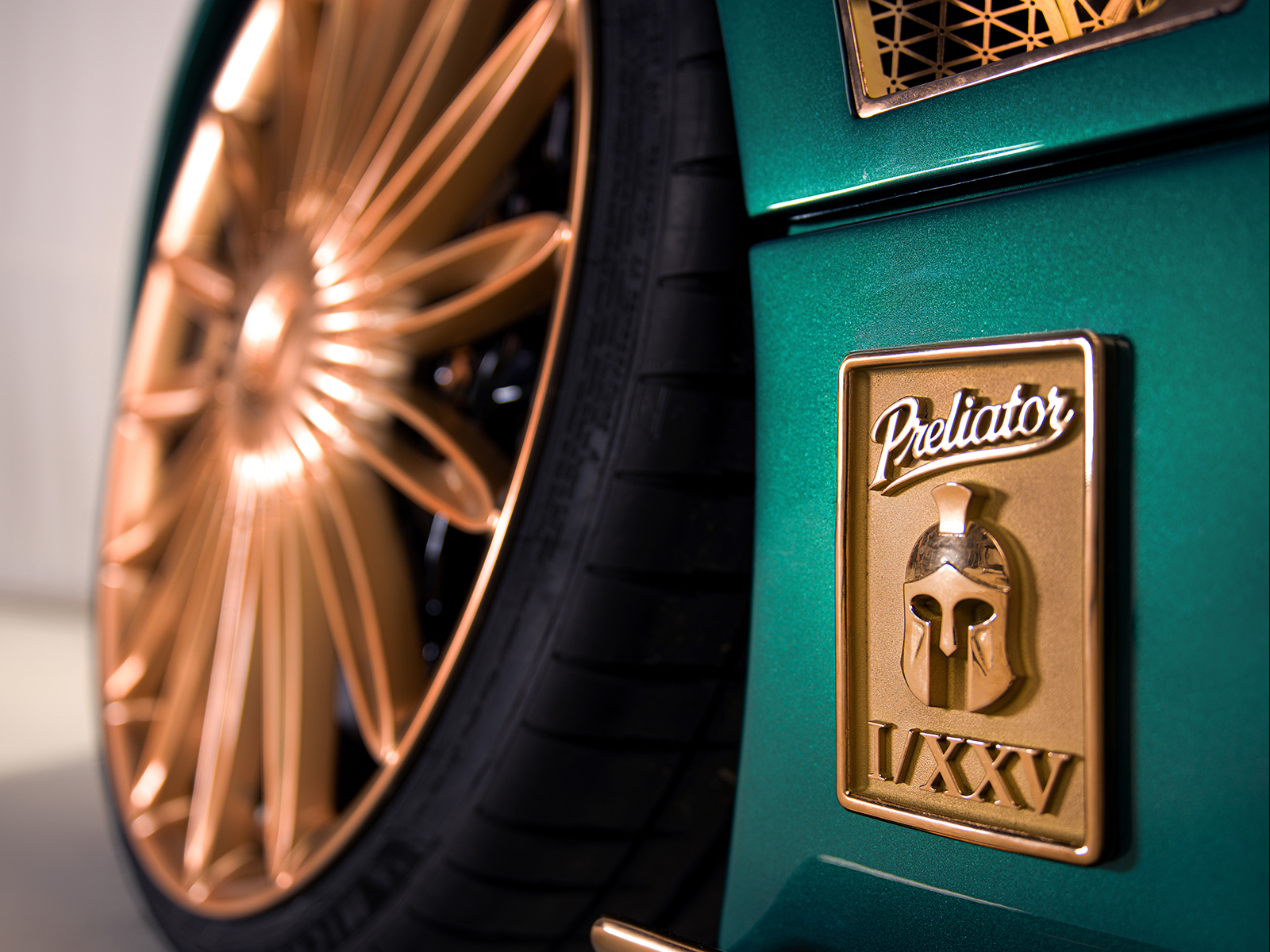
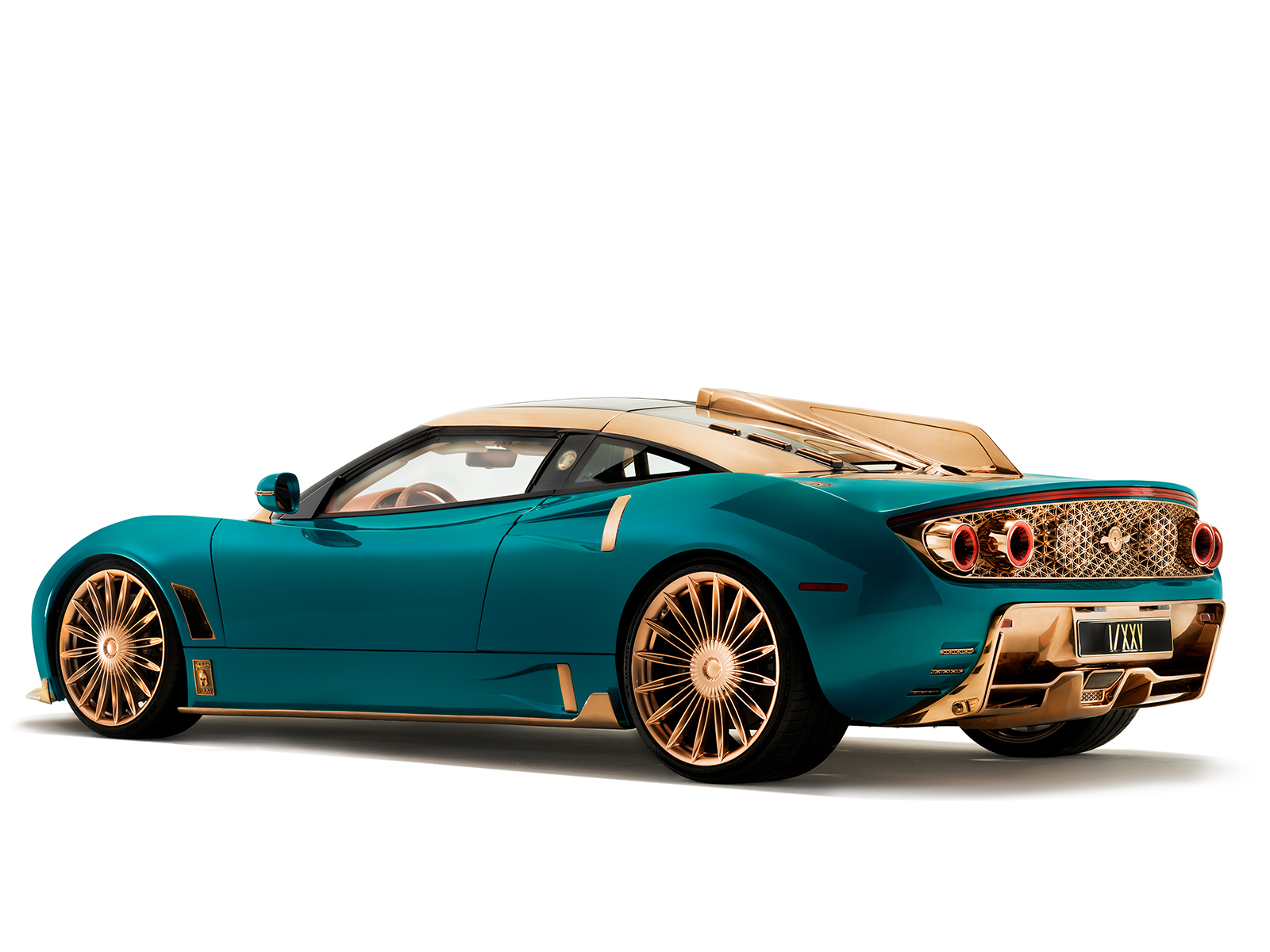
The Dutch marque made a strong impression at The Quail with the C8 Preliator XXV Coupé, a hand-built flagship that marks the beginning of a new era for Spyker. Chassis number 270 made its debut in Quail Green with rose-gold detailing and a Tuscan Saddle leather interior, combining an 800-horsepower twin-turbo V8 with a genuine six-speed manual gearbox and a hand-formed aluminum body. Only 25 examples will be built, each individually commissioned.
More than an update to the previous Preliator, the XXV is an entirely new automobile, conceived from a clean sheet. Yet for all its modern performance, the car remains unmistakably Spyker: part automobile, part aircraft, and part rolling piece of mechanical sculpture.
For Spyker, the aviation connection is more than a design reference. It is part of the marque’s DNA.
The company’s roots stretch back to 1880, when brothers Hendrik Jan and Jacobus Spijker began as coachbuilders in the Netherlands. Their first automobile followed in 1898, and by 1903 the company had produced a six-cylinder, four-wheel-drive car. In 1907, a Spyker entered the Peking-to-Paris race, sponsored by Louis Vuitton, and finished second after covering roughly 15,000 kilometers across largely uncharted terrain.
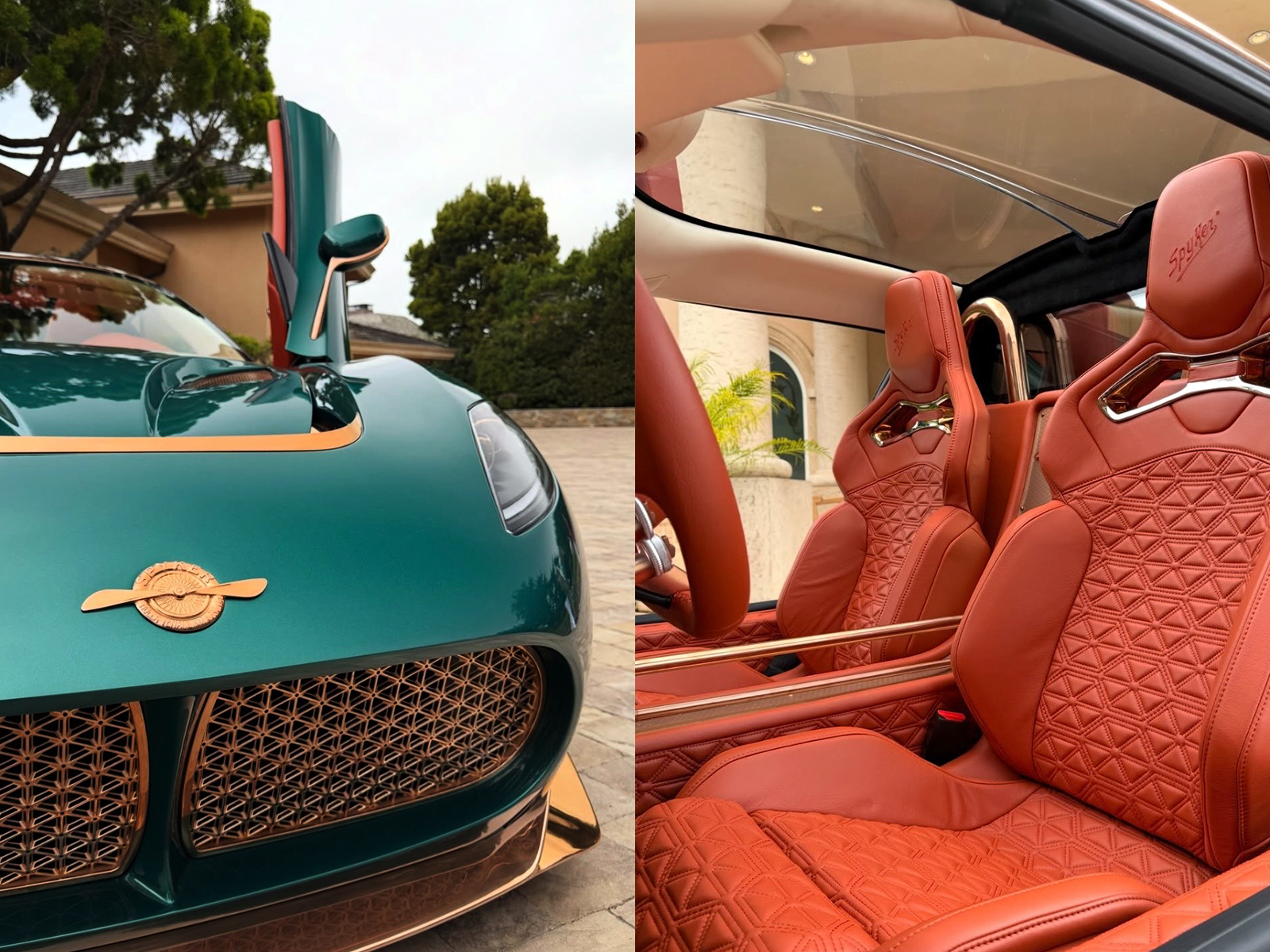
In 1914, Spyker merged with the Dutch Aircraft Factory, bringing aviation directly into the company’s engineering and design language. Five years later, the C1 Aerocoque pushed that relationship even further, establishing an aesthetic vocabulary that would continue to influence the marque decades later.
When Spyker was revived in 2000, that history became visible in the C8 Spyder, C8 Laviolette and C8 Double12, with aviation-style air intakes, propeller-inspired wheels and dashboards that looked more at home in a cockpit than a conventional automobile.
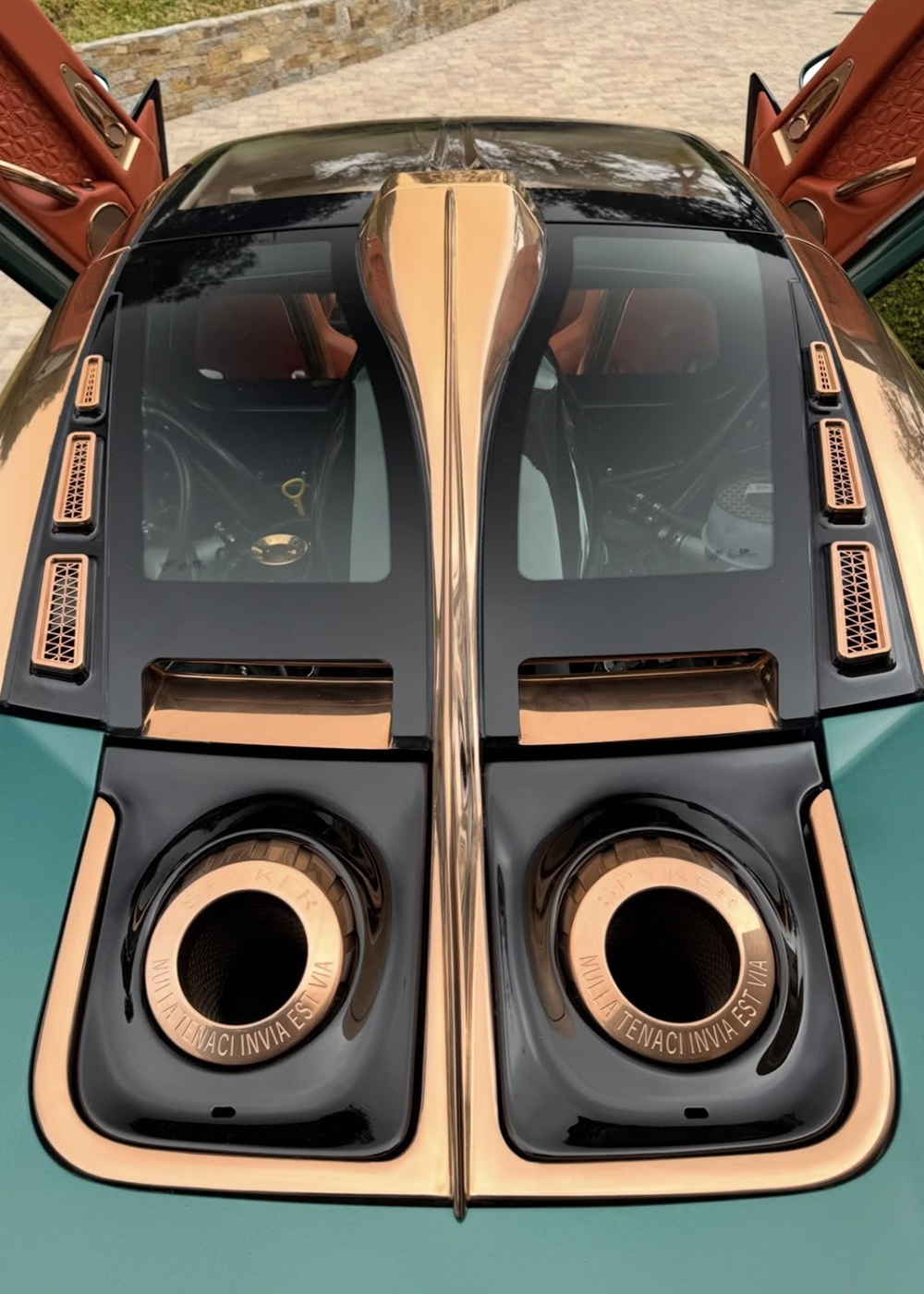
The C8 Aileron moved the idea toward the fighter jet, with turbine-inspired air intakes and wheels. The Preliator XXV takes the concept further still. NACA ducts form the primary air intakes, while aerospace-inspired isogrid structures appear throughout the car. Even the rear fin recalls the C1 Aerocoque.
Spyker has deliberately stayed with aluminum at a moment when carbon fiber dominates the hypercar world. Each exterior panel is shaped and finished by hand, while the newly engineered spaceframe is built around the same philosophy. Spyker says each car requires roughly 2,100 hours to construct.

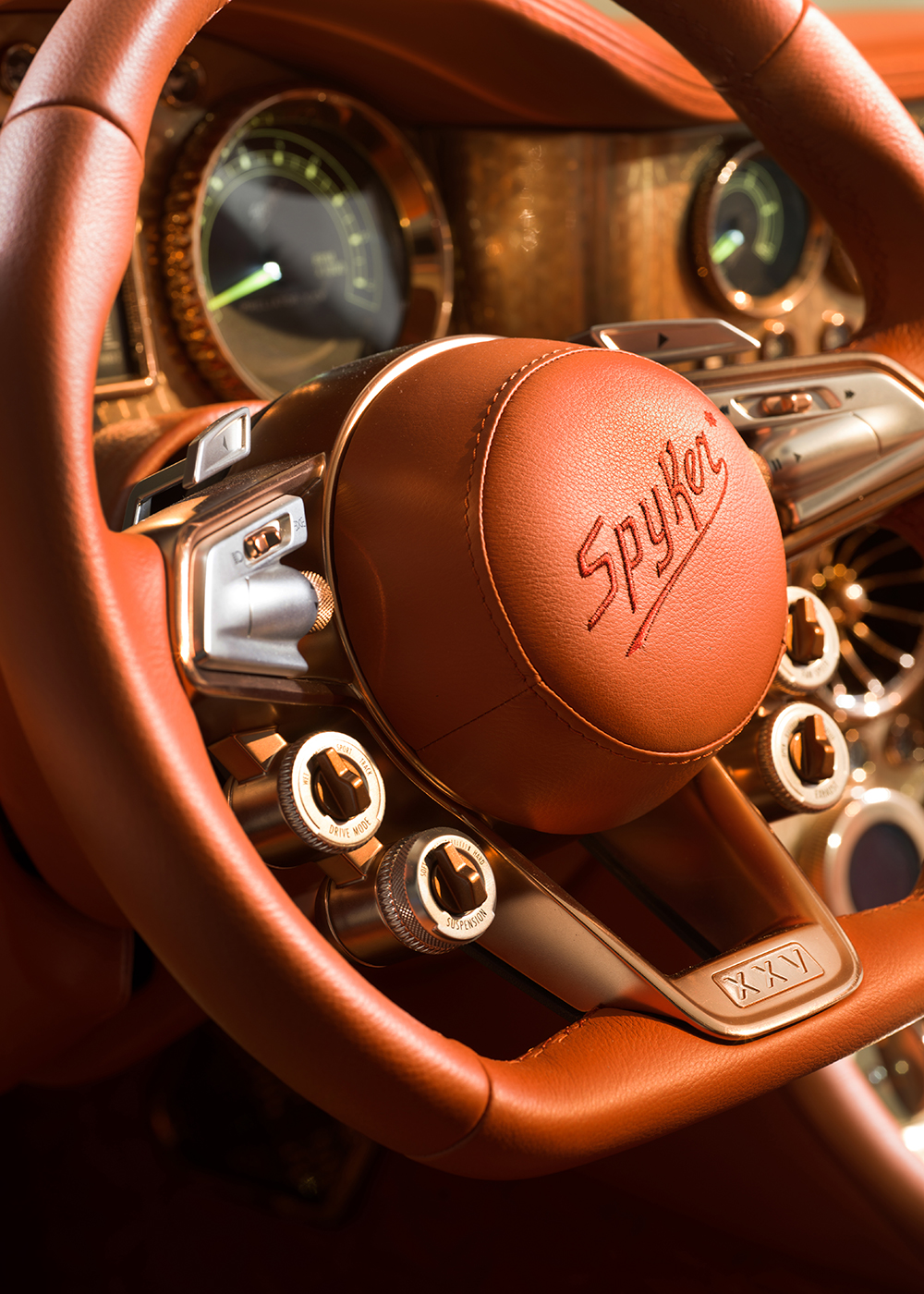
Inside, the approach continues. The dashboard uses turned aluminum, the exposed manual gear linkage remains one of the car’s defining visual elements, and the cabin is trimmed in deeply finished leather. Even details that most owners will never notice are treated as objects worthy of attention: the screw heads are aligned by hand, while each chassis number is individually stamped into the aluminum spaceframe.
The car on display at The Quail, chassis number 270, is particularly significant. It is the last of 255 Spykers produced since the marque’s modern revival in 2000.
The C8 Preliator XXV produces 800 horsepower and 1,000 Nm of torque from its 4.0-liter twin-turbo V8, with a top speed exceeding 217 mph. But unlike almost every contemporary hypercar, there are no paddles and no automated substitute for the driver’s left foot and right hand. The six-speed manual gearbox is entirely mechanical.
In an era increasingly defined by electrification, software and imperceptibly fast gear changes, Spyker has chosen something considerably less efficient: making the driver part of the machine.
Only 25 C8 Preliator XXV Coupés will be built. Each will be individually commissioned, making the car less a production model than a series of 25 personal interpretations of what a modern Spyker can be.
At Monterey Car Week, where rarity is almost its own currency, that distinction matters.
The C8 Preliator XXV does not simply compete for attention. It asks for it in its own language—aluminum, leather, rose gold, exposed mechanics and the increasingly rare sound of a manual transmission. Enter The Spyker World.


Imagery by Stefan Ammerlaan