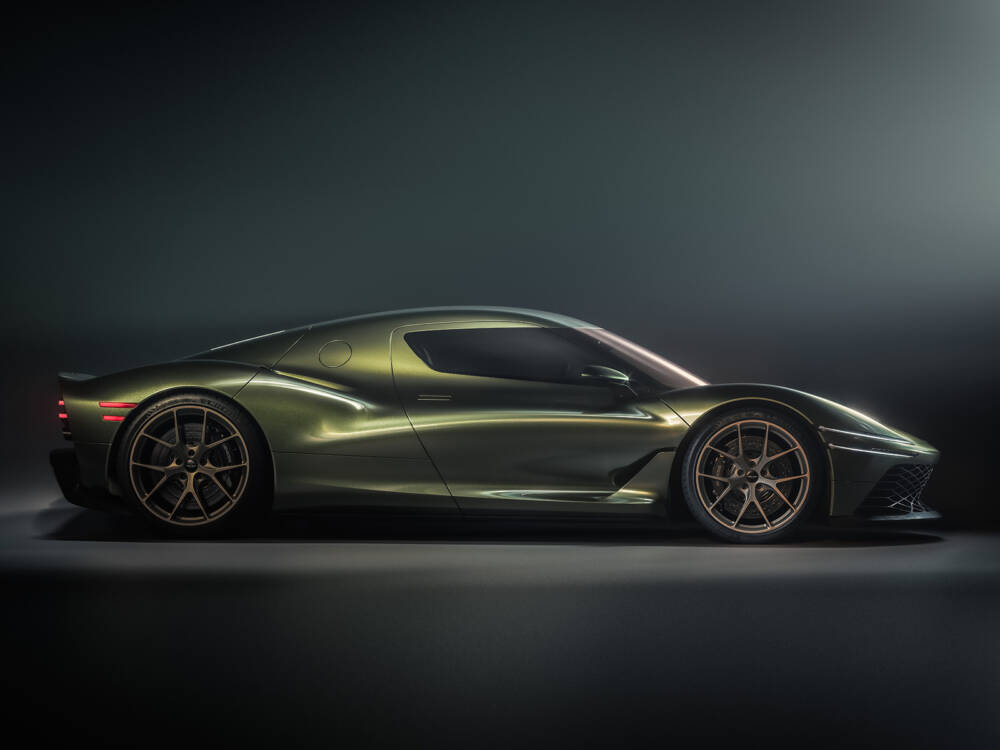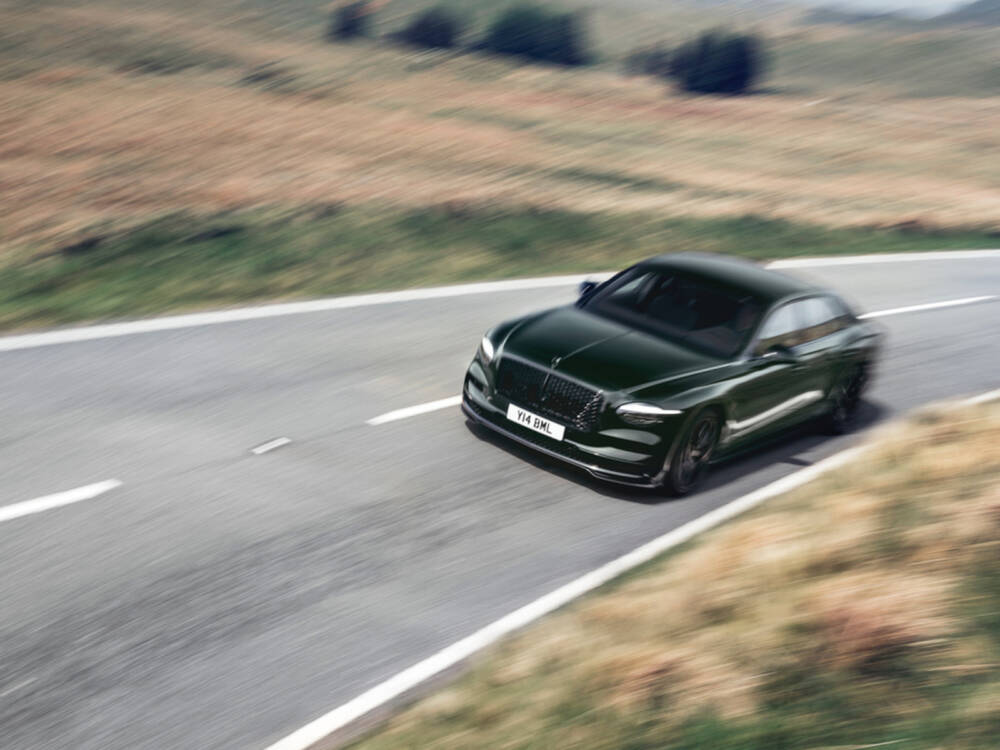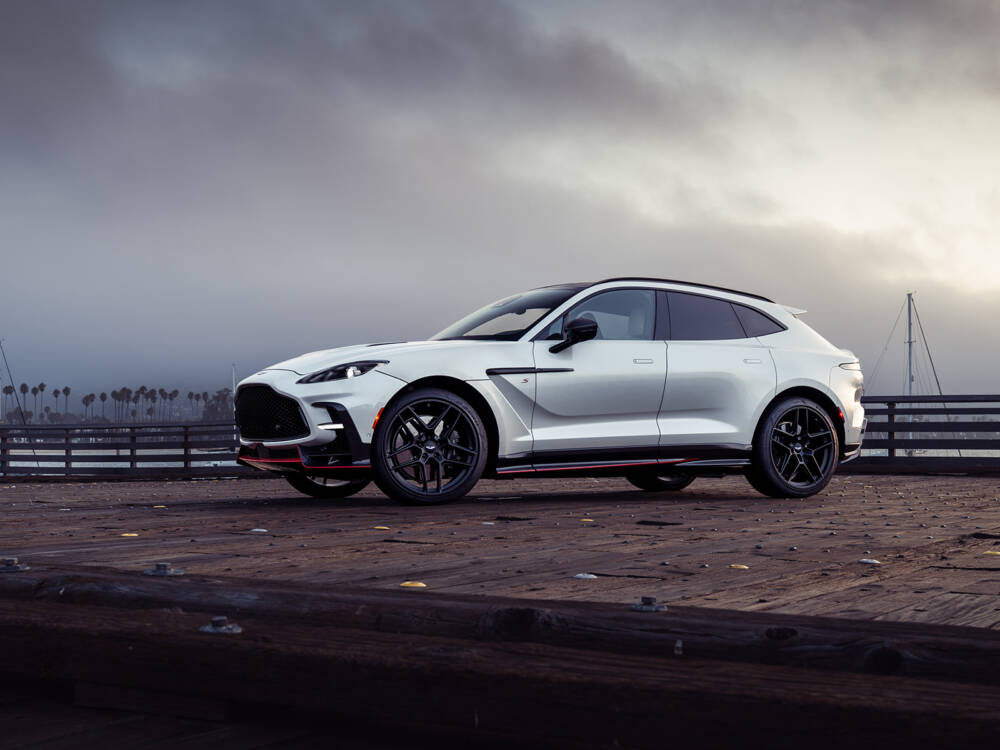

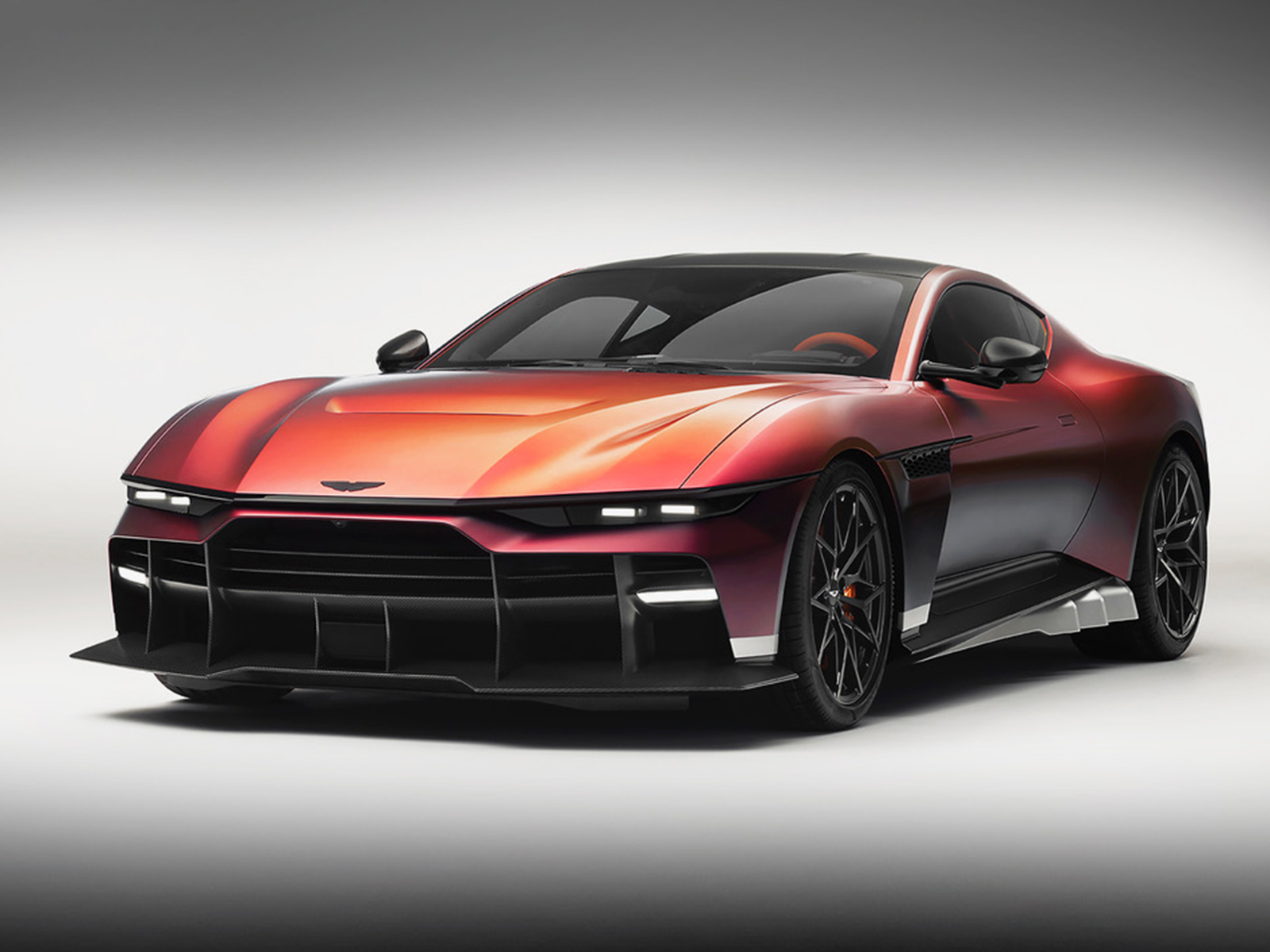
Taking Aston Martin’s long-standing front-engined V12 formula and pushing it toward something considerably more extreme, Valen is the most powerful front-engined production car the company has ever built. There is 850PS, 1,000Nm of torque and a 214-mph top speed, but the numbers almost feel secondary to the shape.
And that may be the most Aston Martin thing about it.
Under that long, sculpted bonnet is Aston Martin’s most powerful version of its 5.2-litre twin-turbocharged V12, producing 850PS and 1,000Nm of torque from just 2,500rpm.
An eight-speed ZF transmission has been recalibrated for Valen, using race-developed shift strategies from Aston Martin’s Vantage GT4 programme. The result is a sharper, more immediate gearbox and a 0–60 mph time of just 3.0 seconds.
The numbers are impressive, but Valen’s real appeal is the attitude behind them.
Aston Martin has worked extensively across the steering, suspension and braking systems, with targeted hardware and software calibration intended to give Valen a more focused, driver-oriented character. It is not simply a more powerful version of an existing Aston Martin. The idea was to take the familiar front-engine, rear-drive formula and turn up its emotional volume.
And visually, that intent is impossible to miss.
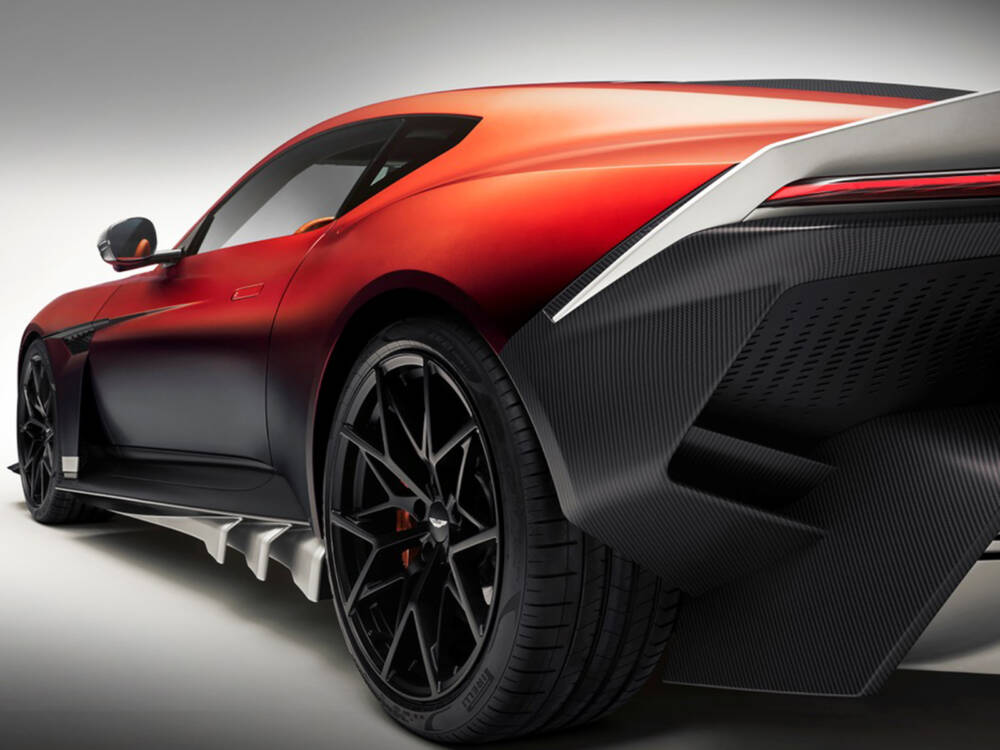
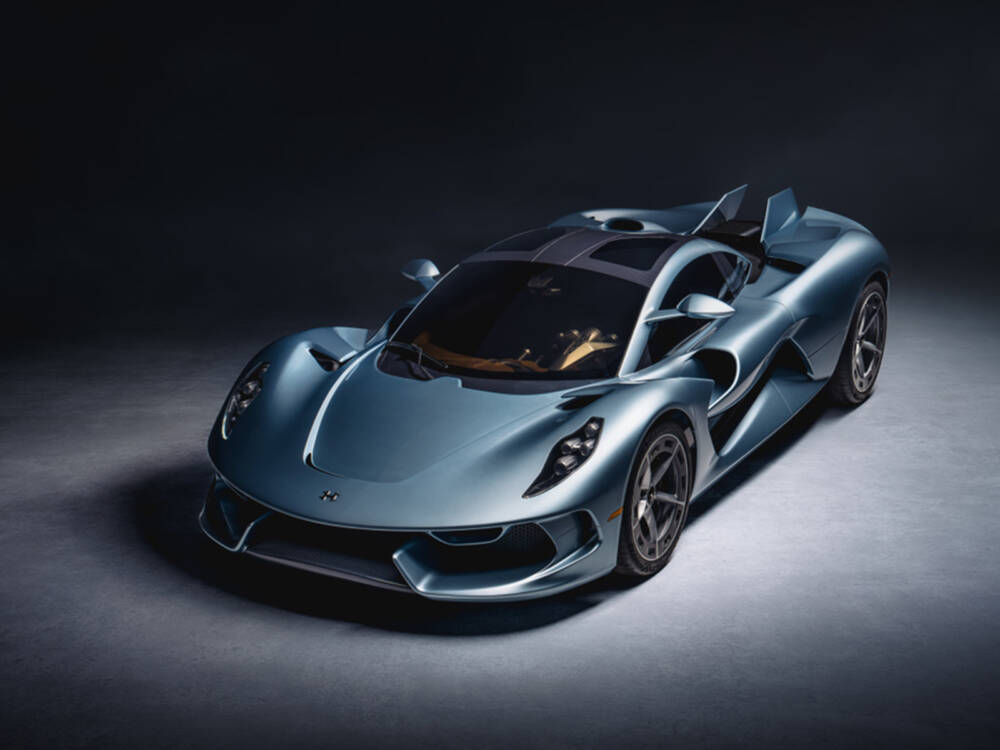
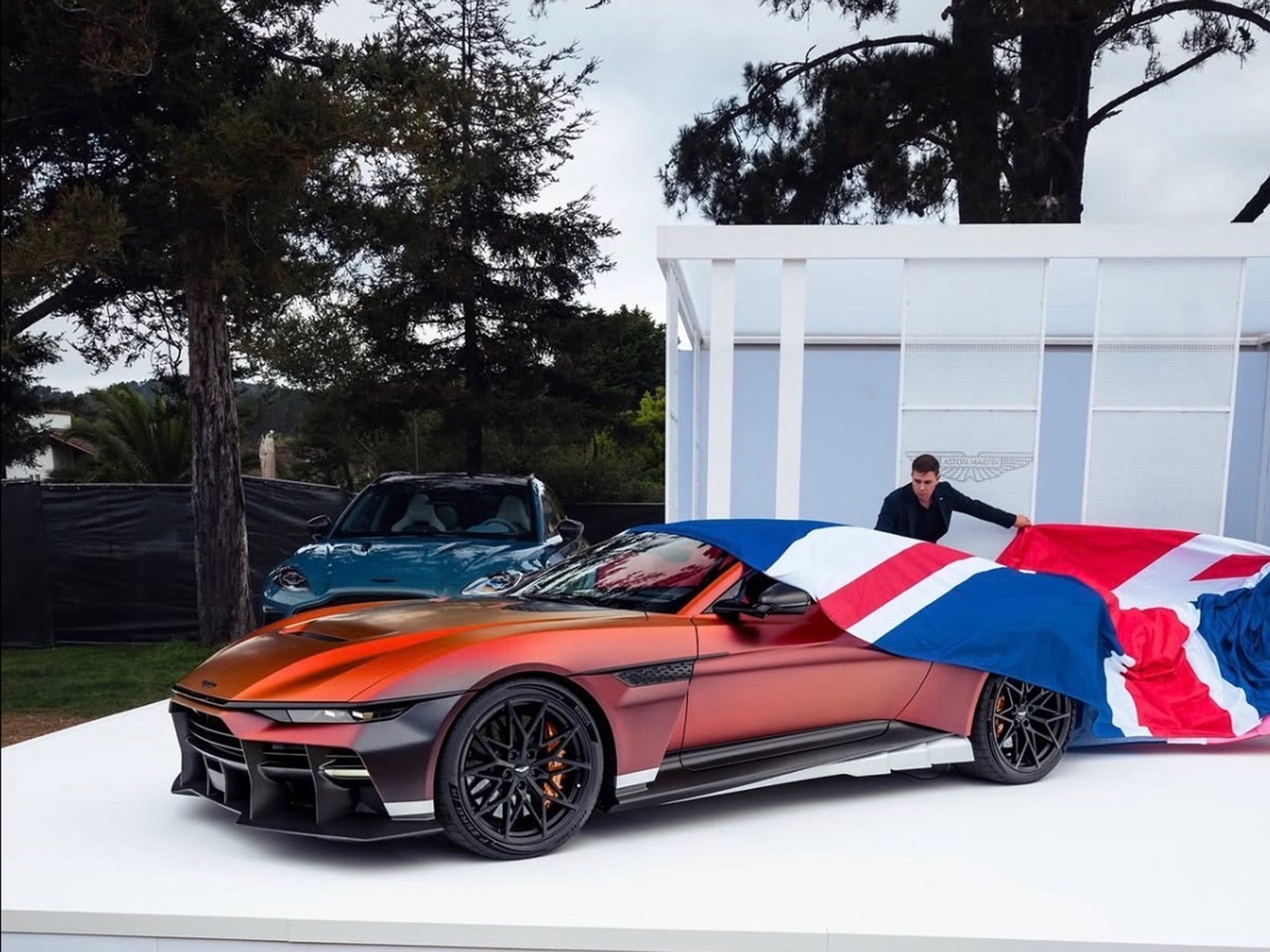
The front of Valen is particularly striking. Deeply recessed, slimline headlamps sit beneath the sharp leading edge of the plunging bonnet, while the more angular radiator opening, geometric mesh grille and sharply angled splitter give the car a distinctly predatory expression.
It is still unmistakably Aston Martin, but the proportions and surfaces have been pushed into something more provocative.
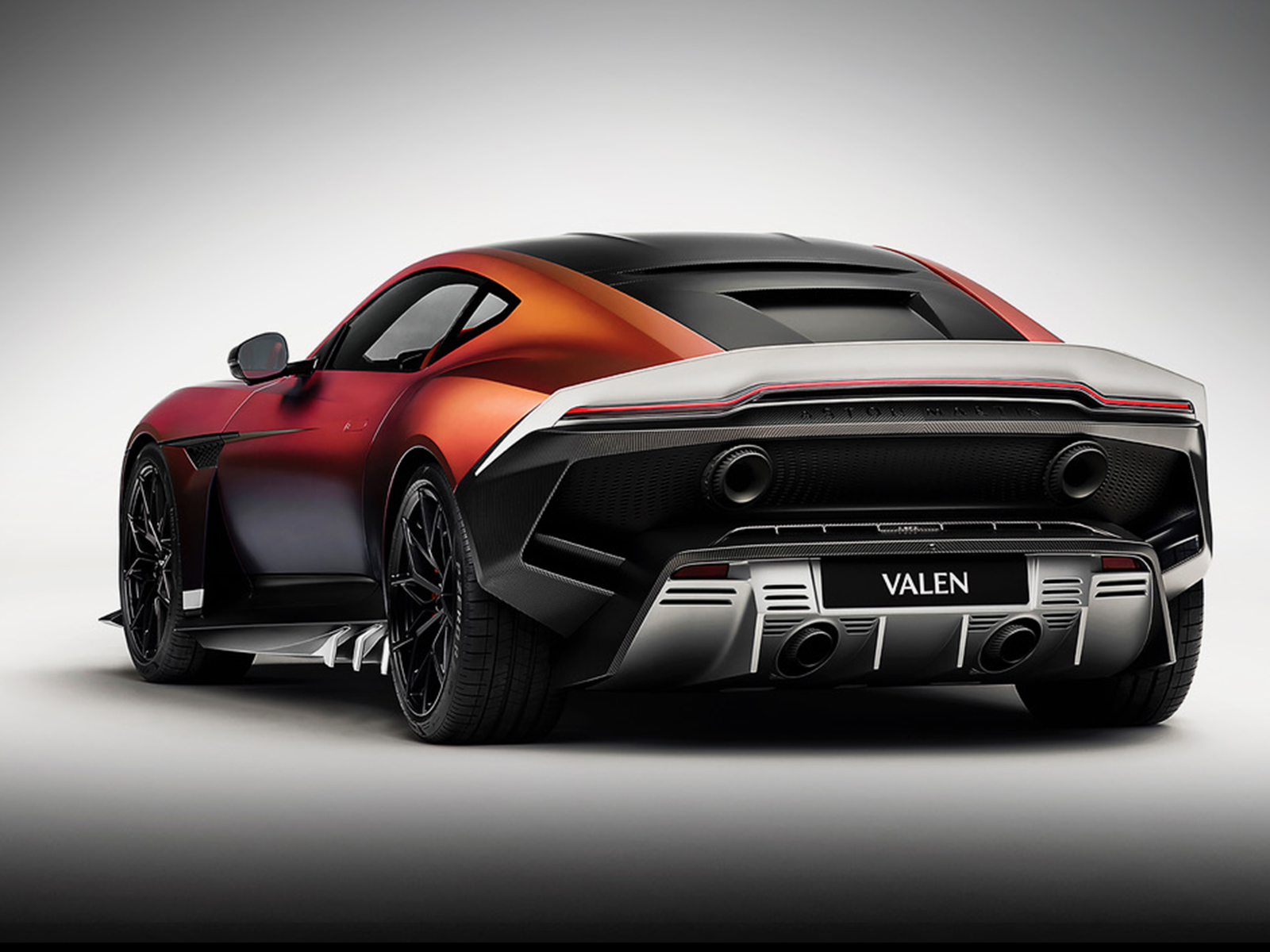
The full carbon-fibre bodywork is part of that transformation. Lightweight construction helps reduce mass, while giving Aston Martin’s designers greater freedom to sculpt the body around the car’s performance requirements.
The result is a car that looks almost as if the traditional Aston Martin silhouette has been pulled tighter.
Speaking about the creative impetus behind Valen, Aston Martin EVP and Chief Creative Officer Marek Reichman describes the car as a significant departure for the marque.
“Valen gave us the opportunity to explore and express more extreme emotions through a new form language and surface treatment.”
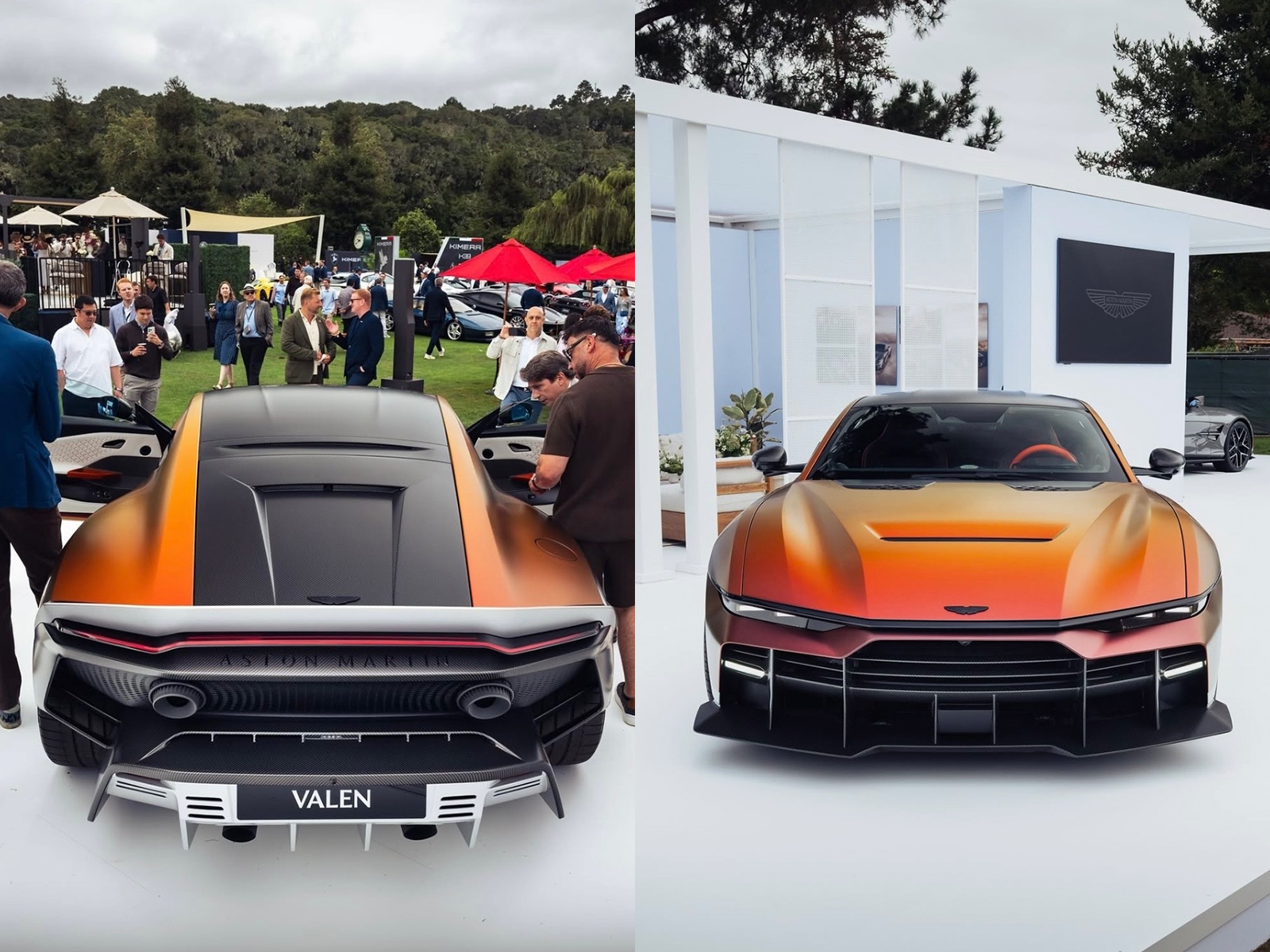
It is an unusually candid description, and an accurate one. Valen still carries the familiar Aston Martin signatures—long bonnet, low roofline, muscular rear proportions—but there is considerably more tension in the surfaces.
The car looks ready to move even when it is standing still.
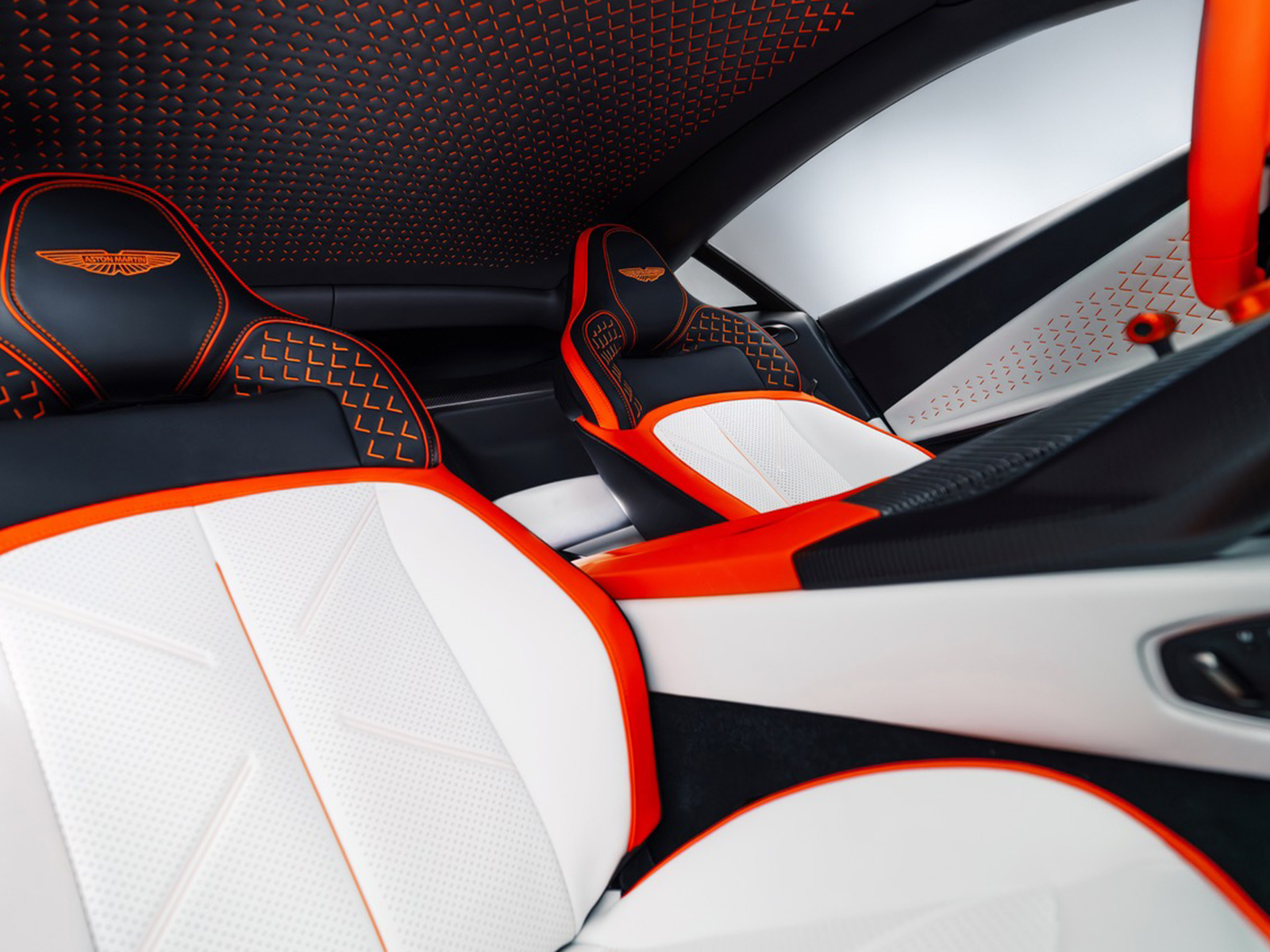
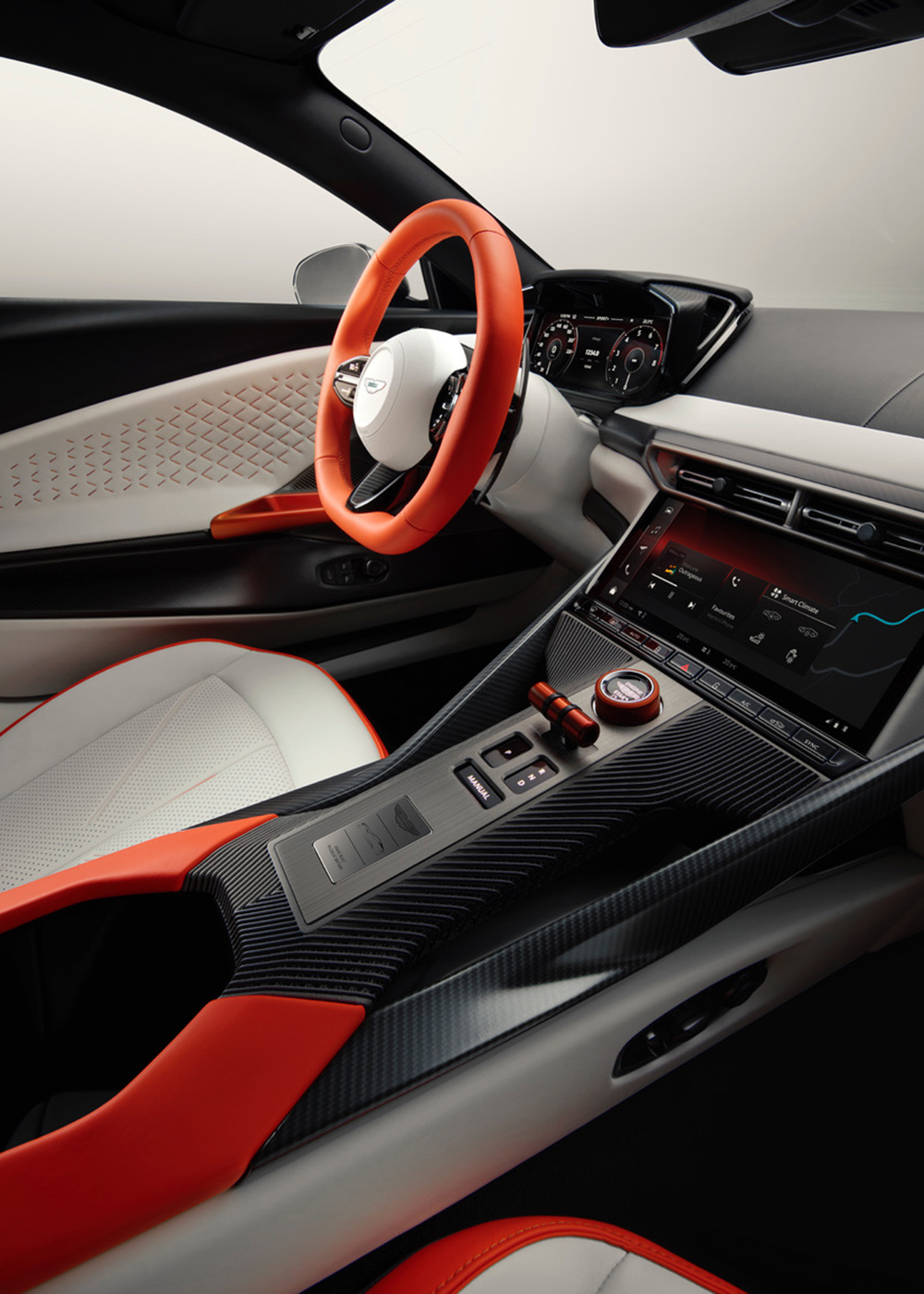
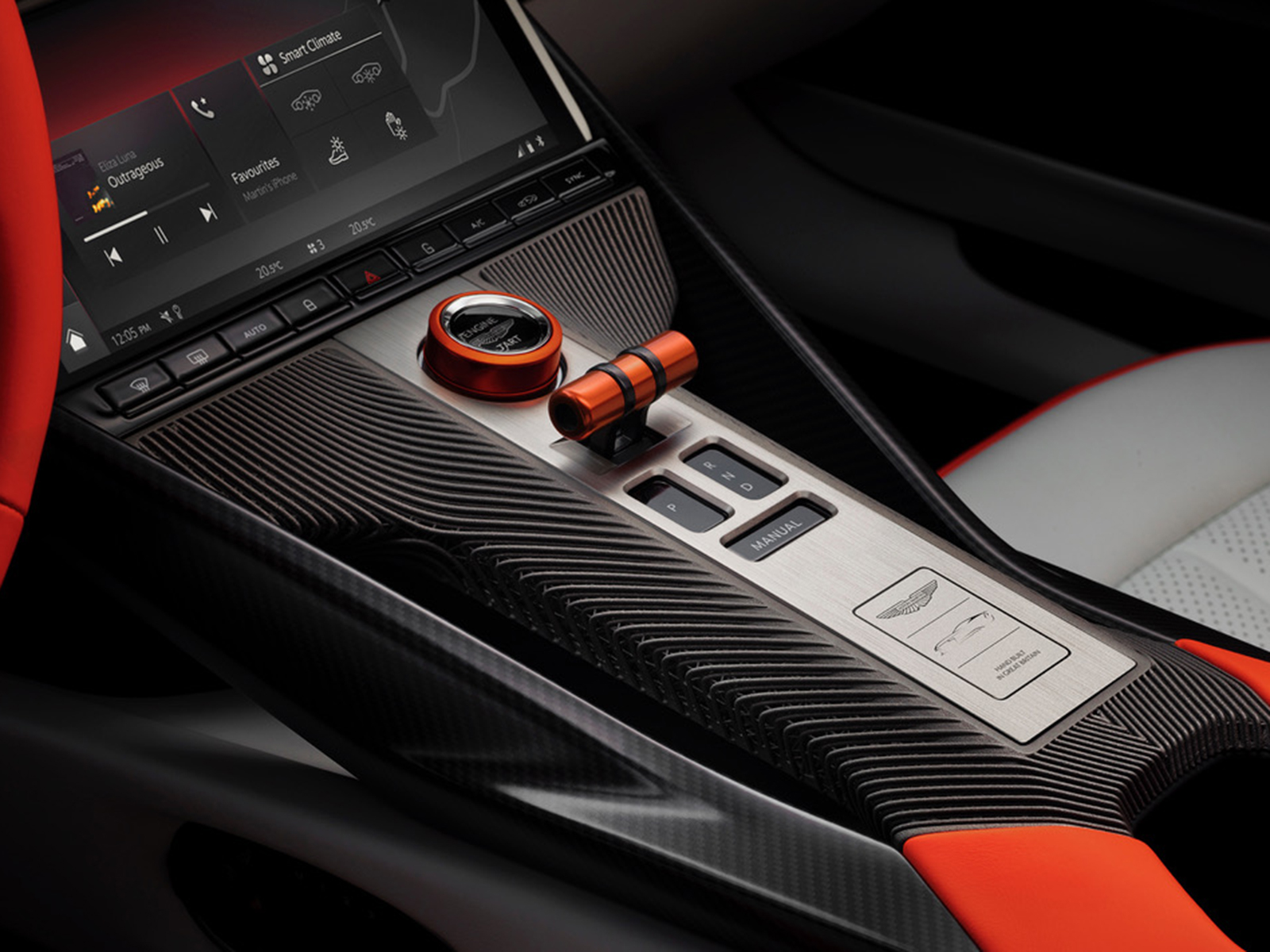
Inside, that same philosophy continues. The cabin has been developed as a more sporting cockpit, with bespoke detailing and a stronger emphasis on the driver. It retains the elevated materials and craftsmanship expected of an Aston Martin, but the atmosphere is more focused than traditionally luxurious.
Full carbon-fibre bodywork
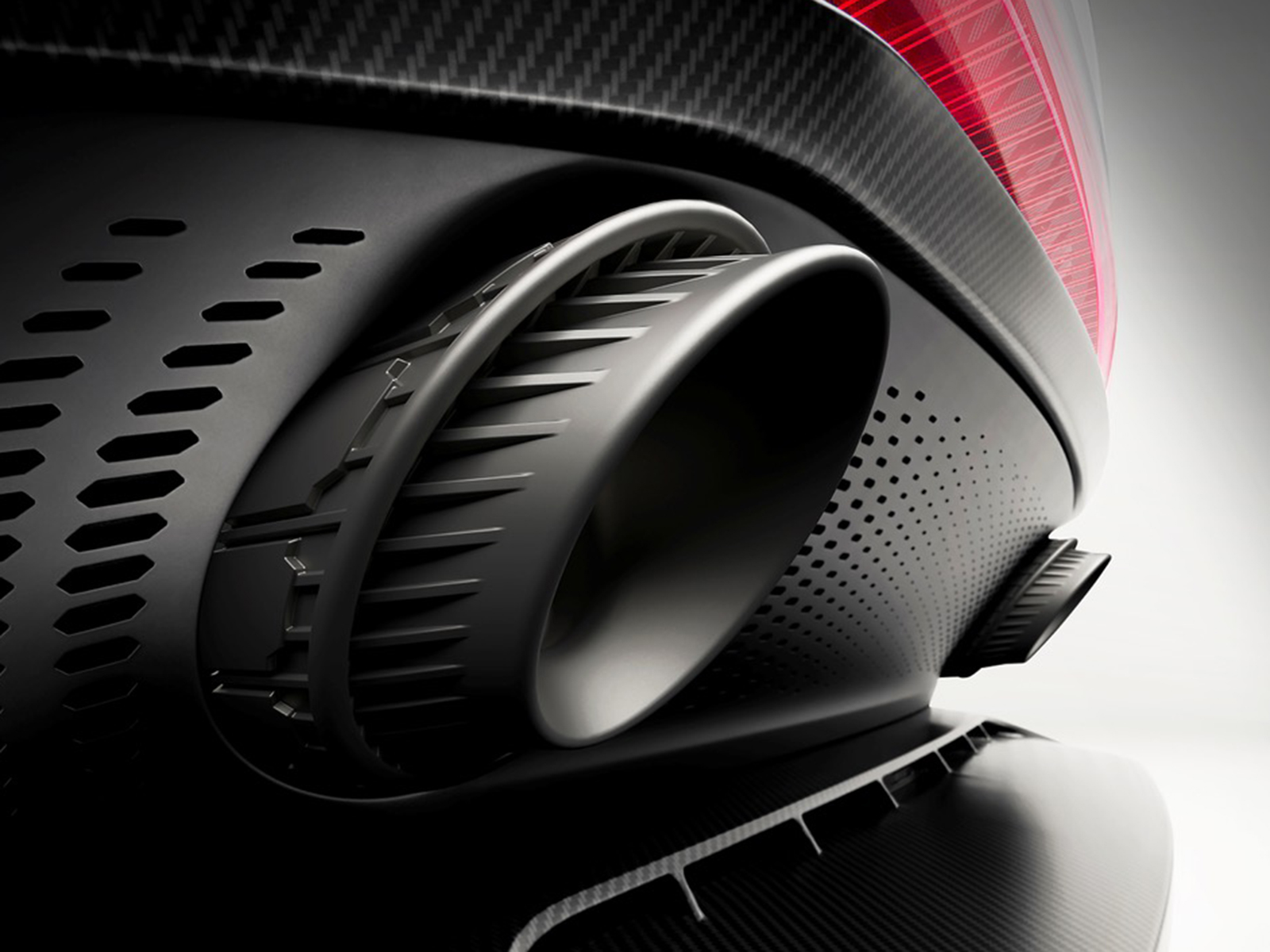
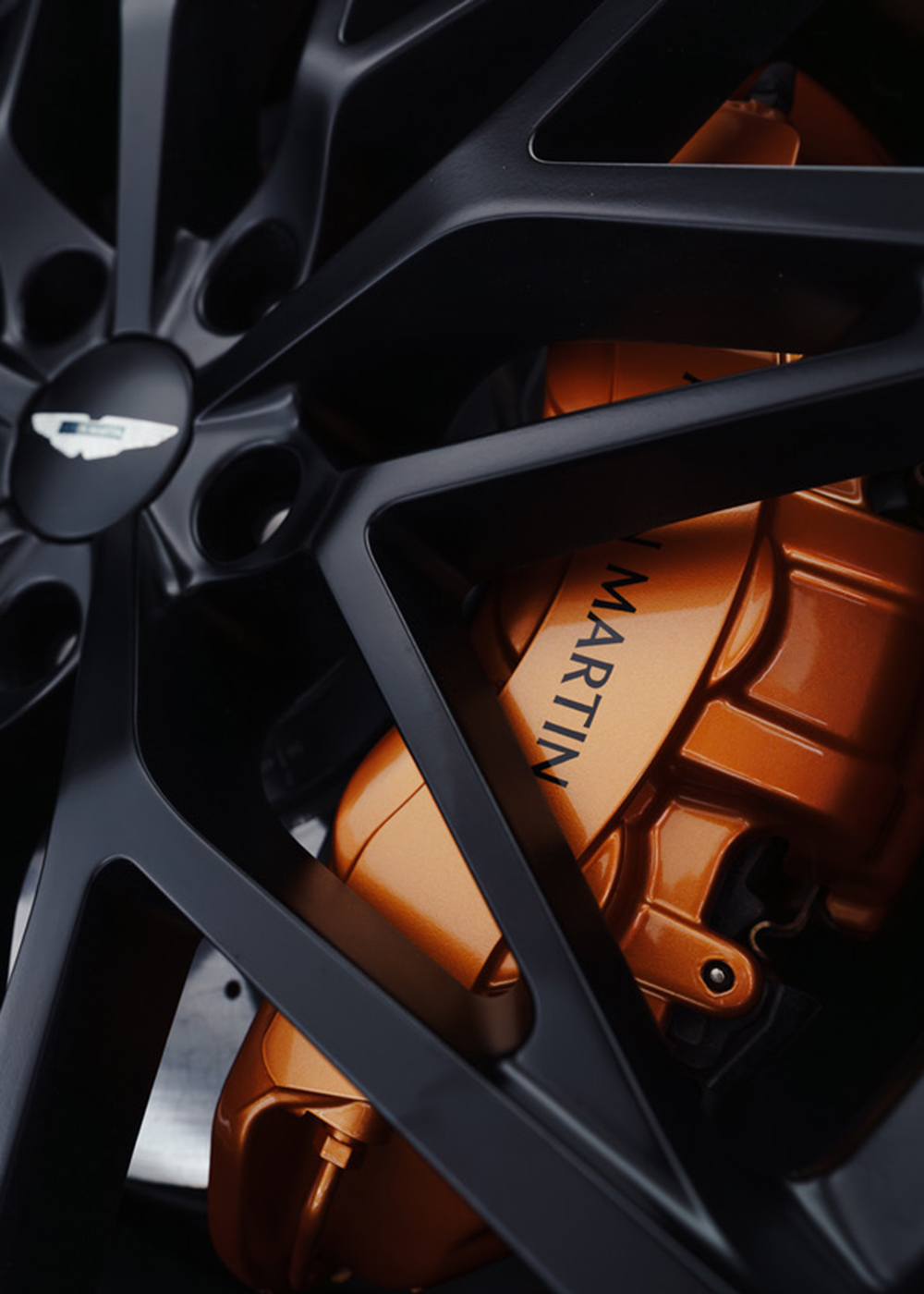
The engineering underneath is just as considered. Carbon-ceramic brakes, lightweight magnesium wheels and specially developed Pirelli performance tyres complement the chassis changes, while a titanium exhaust adds another layer of mechanical theatre.
For Aston Martin Director of Vehicle Performance Simon Newton, the project was an opportunity to take an already formidable platform somewhere considerably more focused.
“When your basis for a project is the world’s most powerful front-engined production car you know you’re going to have fun.”
That sounds about right.
Valen is the latest V12 special from Q by Aston Martin, the marque’s bespoke operation responsible for some of its most individual and limited creations. And there is a little Q in every Valen—from the materials and detailing to the way the car has been developed around its particular character.
Which brings us back to the number that may matter most.
That is how many Aston Martin Valens will be built worldwide.
In a moment when performance cars are increasingly defined by bigger numbers, more technology and ever more complicated systems, there is something appealing about Aston Martin taking its classic front-engined V12 formula and simply making it more extreme—and much harder to get.
Aston Martin could have simply made its V12 faster.
Instead, it made it rarer, sharper and considerably more dramatic.
Only 150 people will get to find out what that feels like.