
Words By Corinia Williams
Four Seasons arrives in Cartagena—finally. And not with a whisper, but with a considered sense of permanence, unfolding across a restored collection of historic buildings that feel less revived than reawakened.
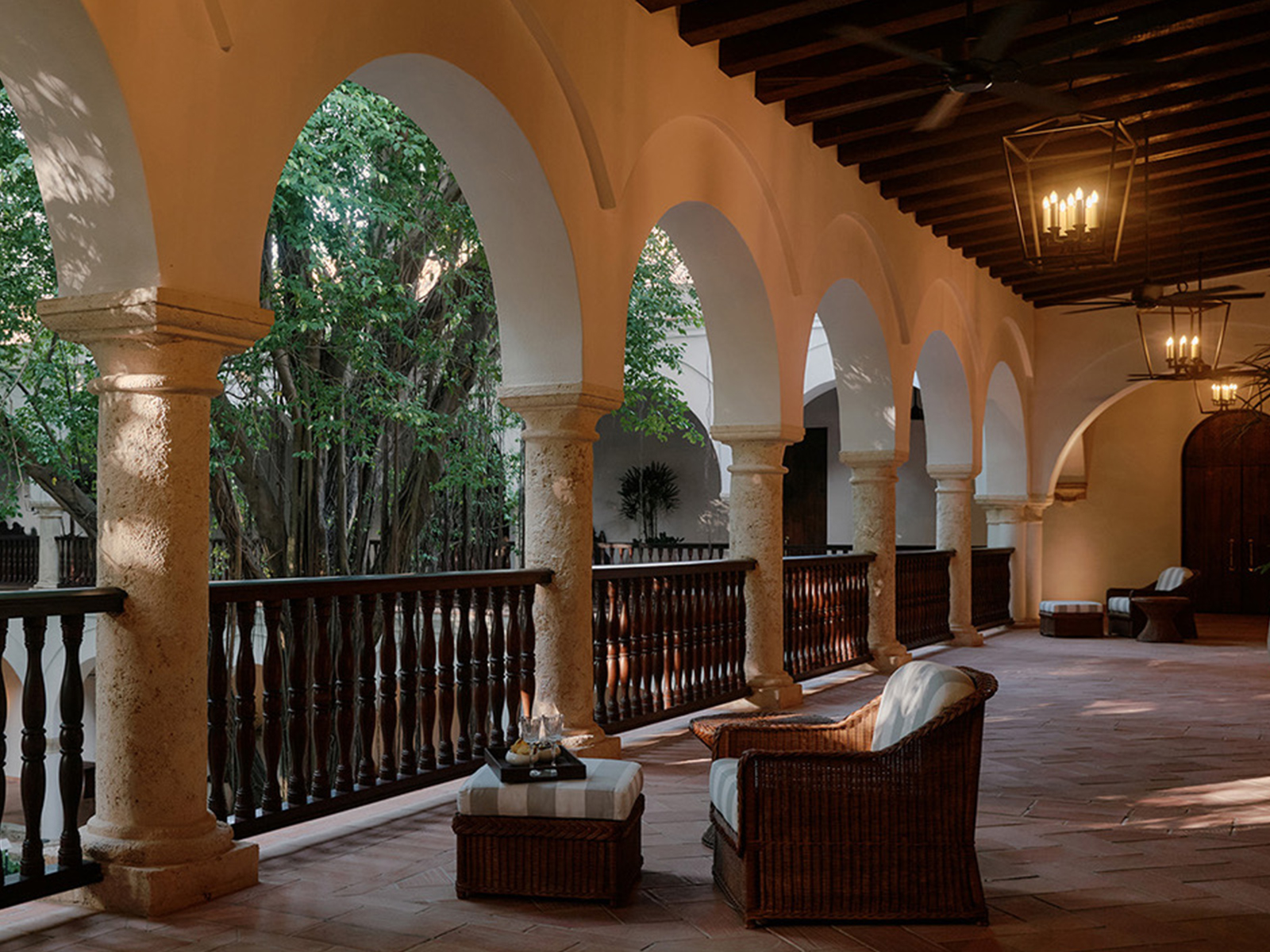
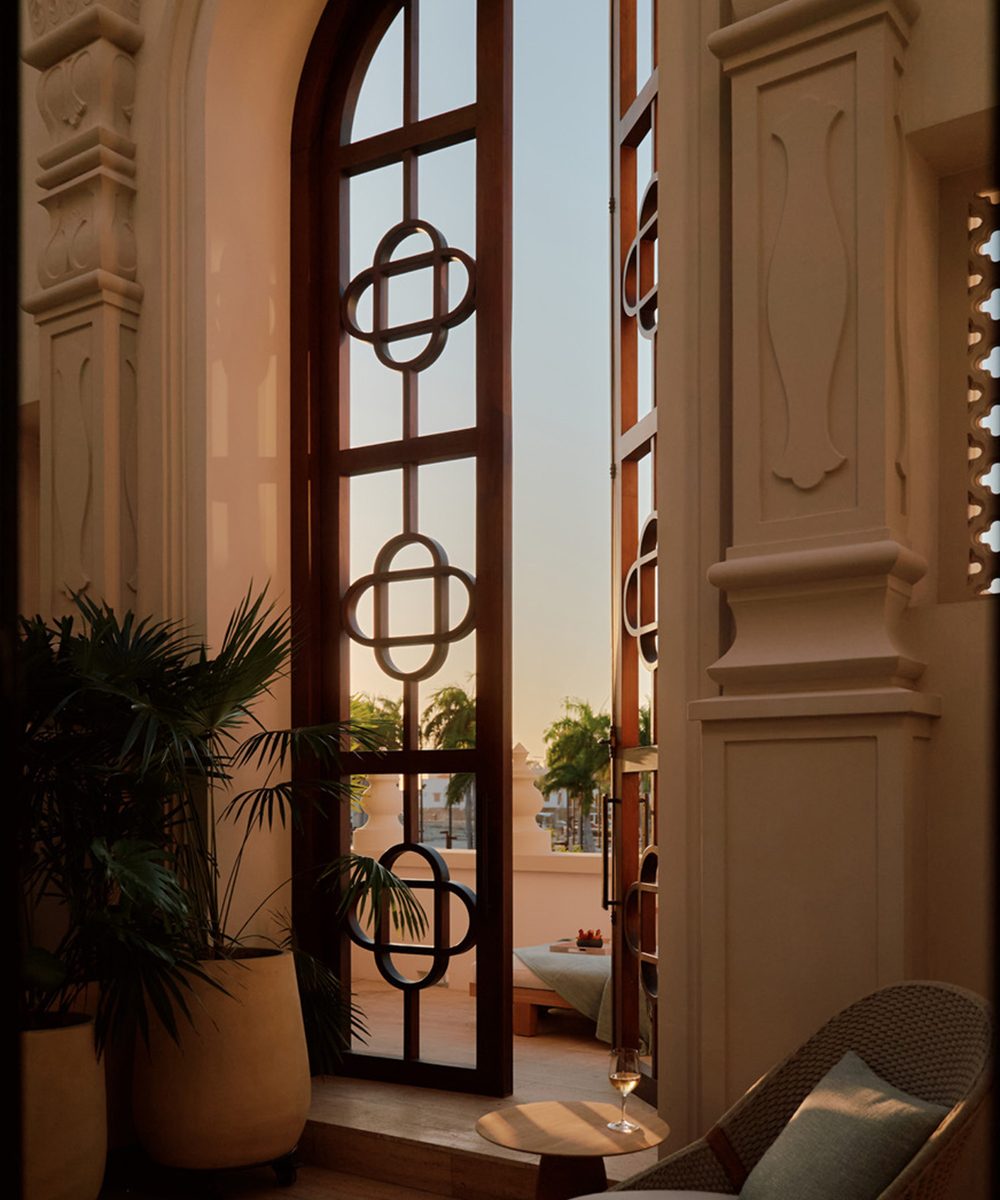
Following a years-long restoration, the hotel emerges as a modern interpretation of the city’s layered heritage and international influences. Cartagena’s historic gravity meets its Caribbean ease in a palette of sun-washed tones, tactile materials, and quietly shifting textures—each space calibrated rather than decorated.
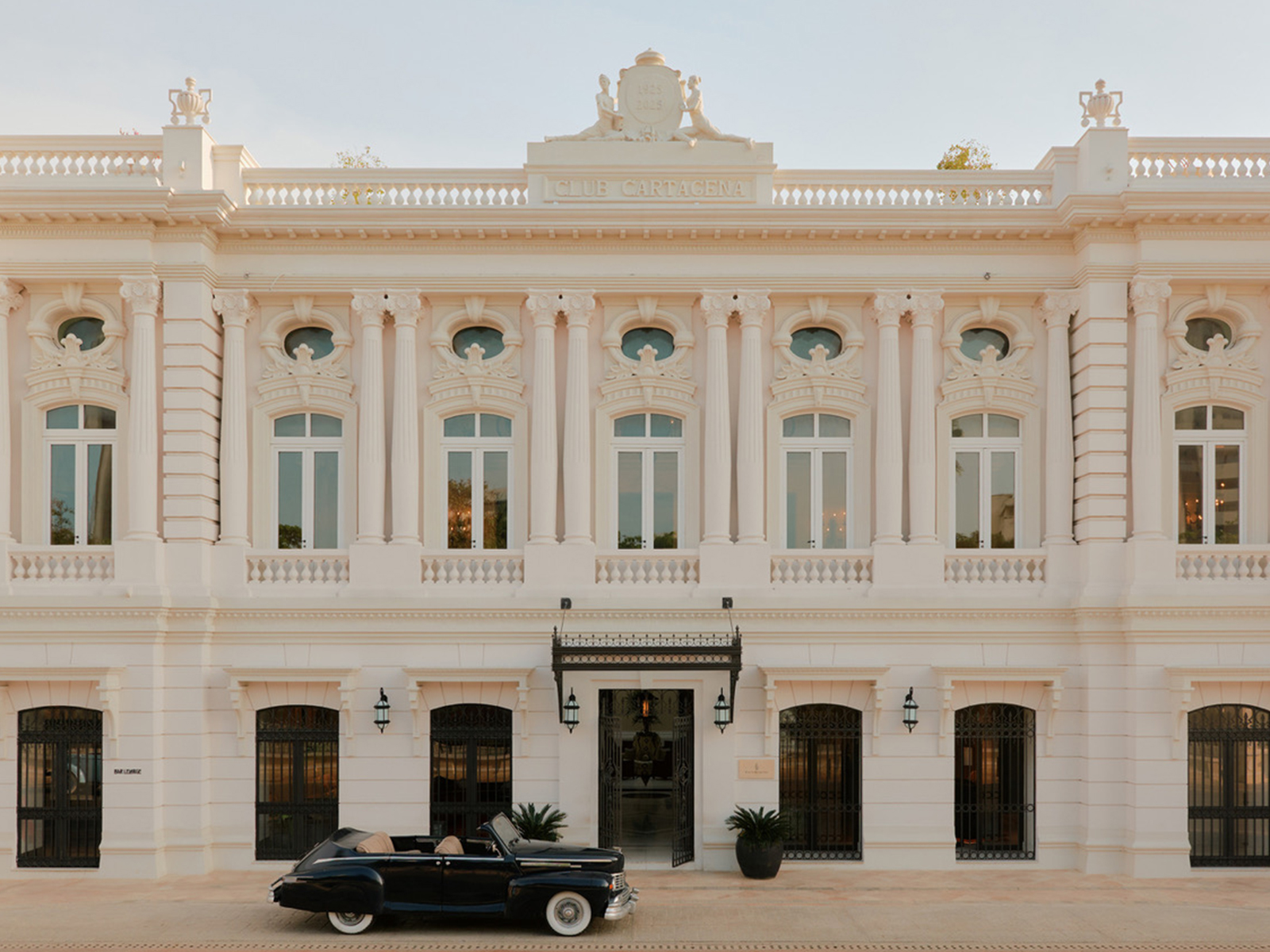
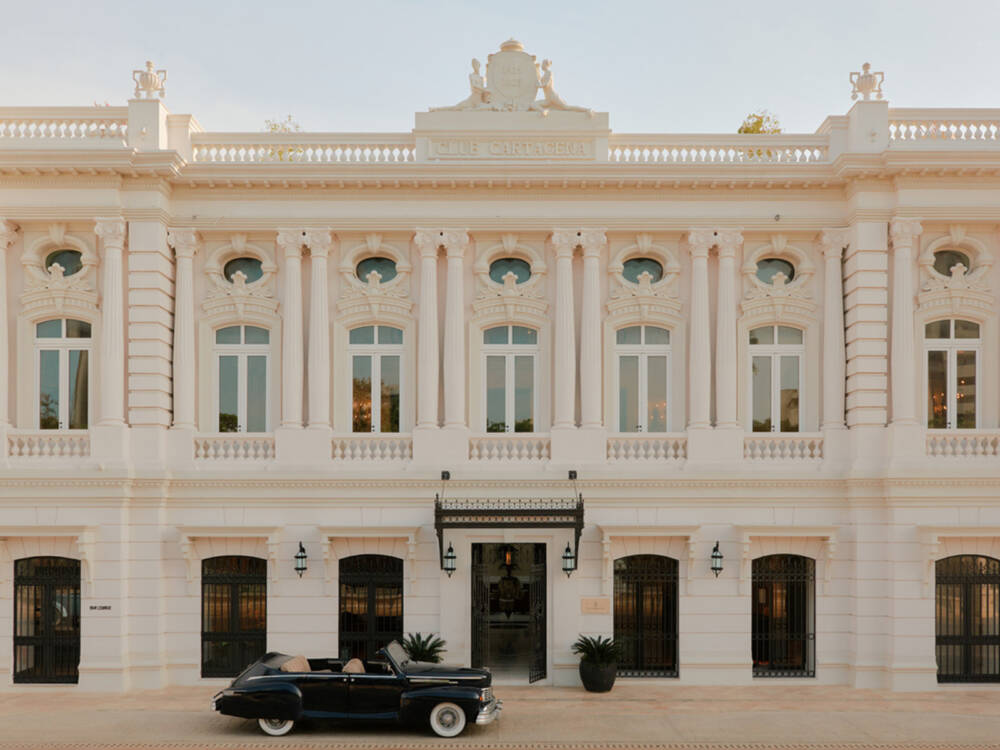
At the center of the project is the late François Catroux, the French designer known for interiors that never announce themselves, yet are immediately understood. This, one of his final works—and a rare venture into hospitality—feels especially personal. His hand is most evident in the former Club Cartagena, a 1920s landmark now reimagined, and within the hotel’s signature suites, where proportion and restraint carry more weight than ornament.
The setting does much of the work. Positioned in Getsemaní—arguably Cartagena’s most vital neighborhood—the hotel sits just beyond the expected, yet entirely within reach. The UNESCO-listed Walled City is steps away, as are the Camellón de los Mártires and Parque Centenario. The rhythm of the street remains intact.
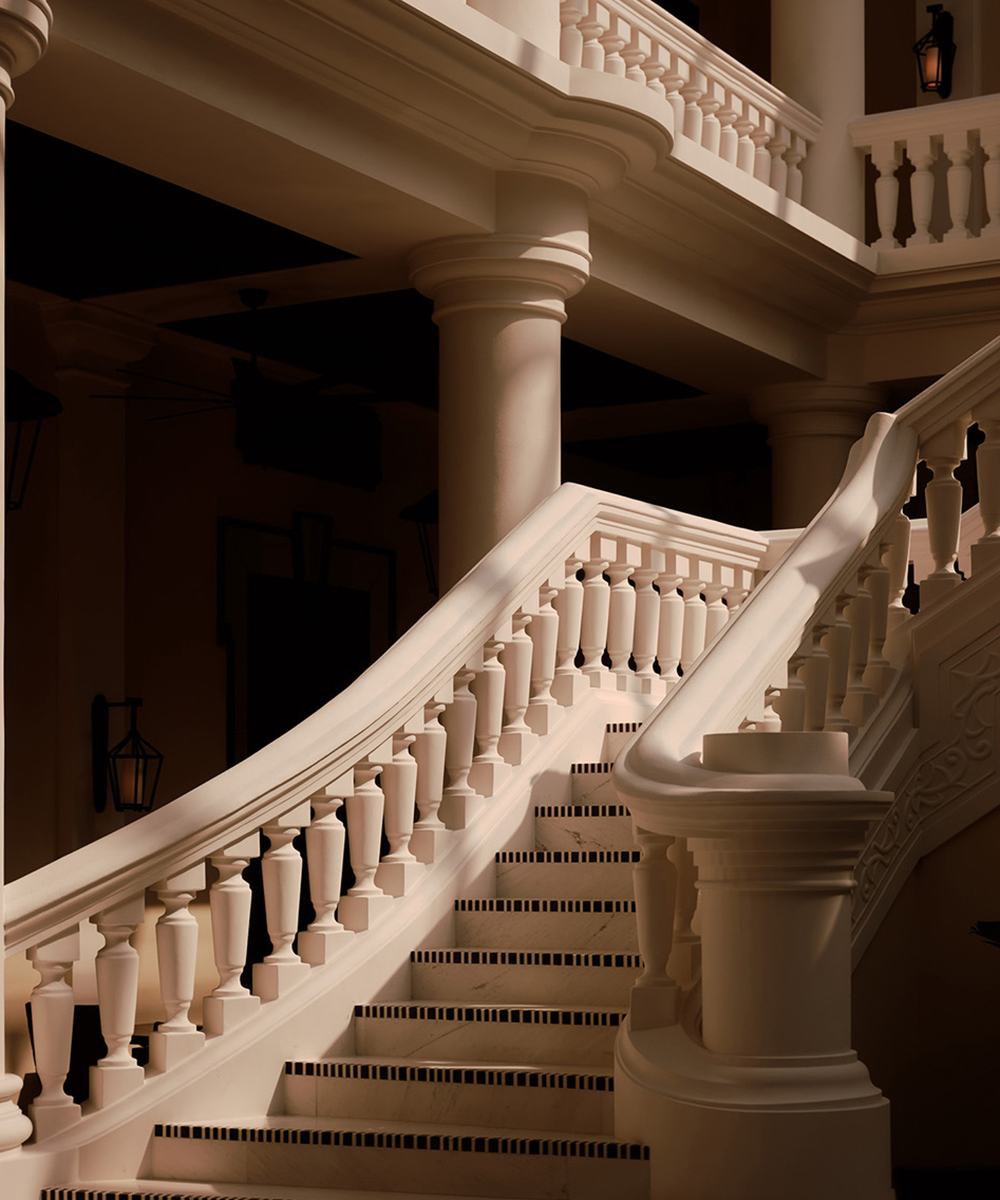
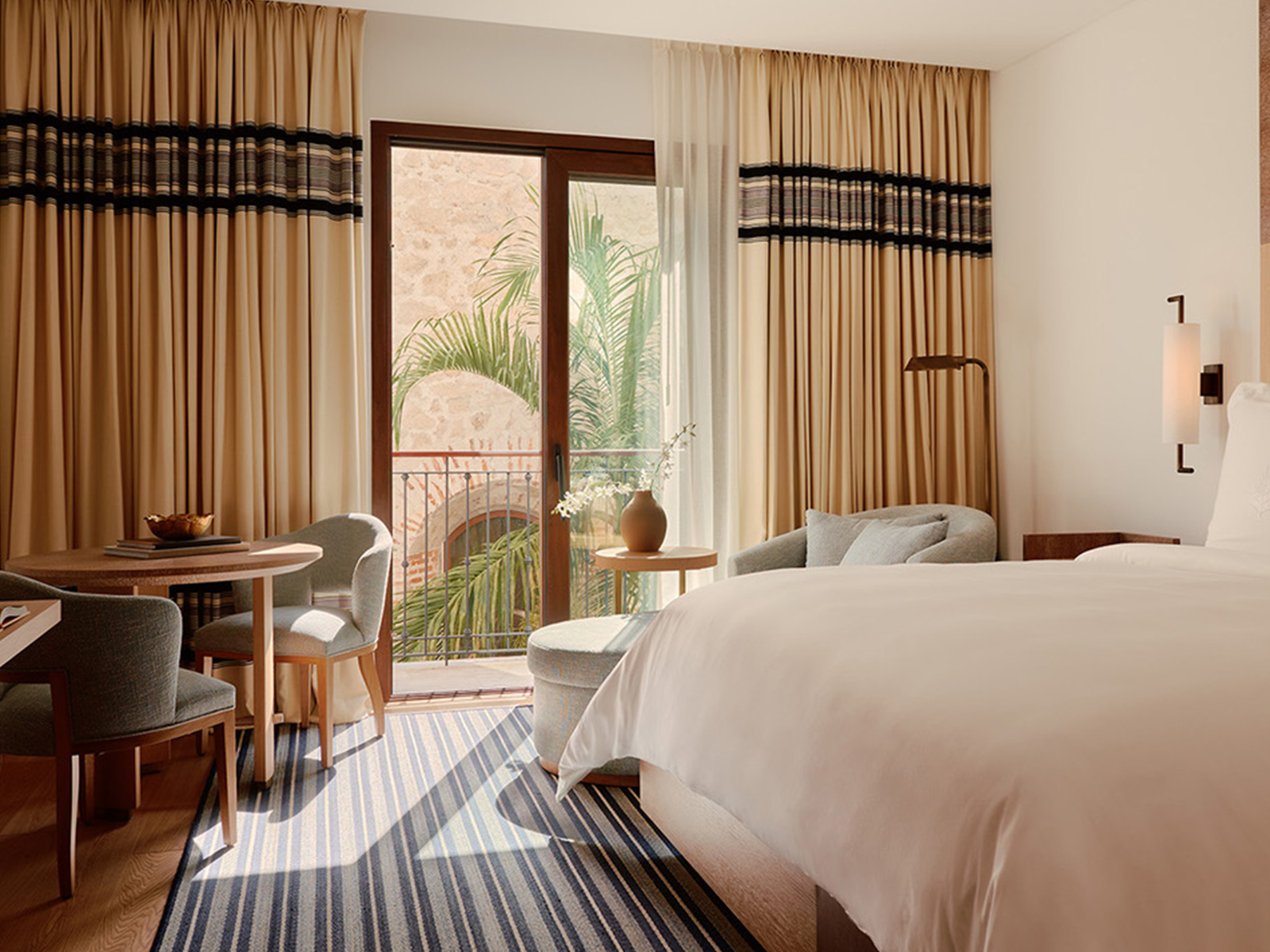
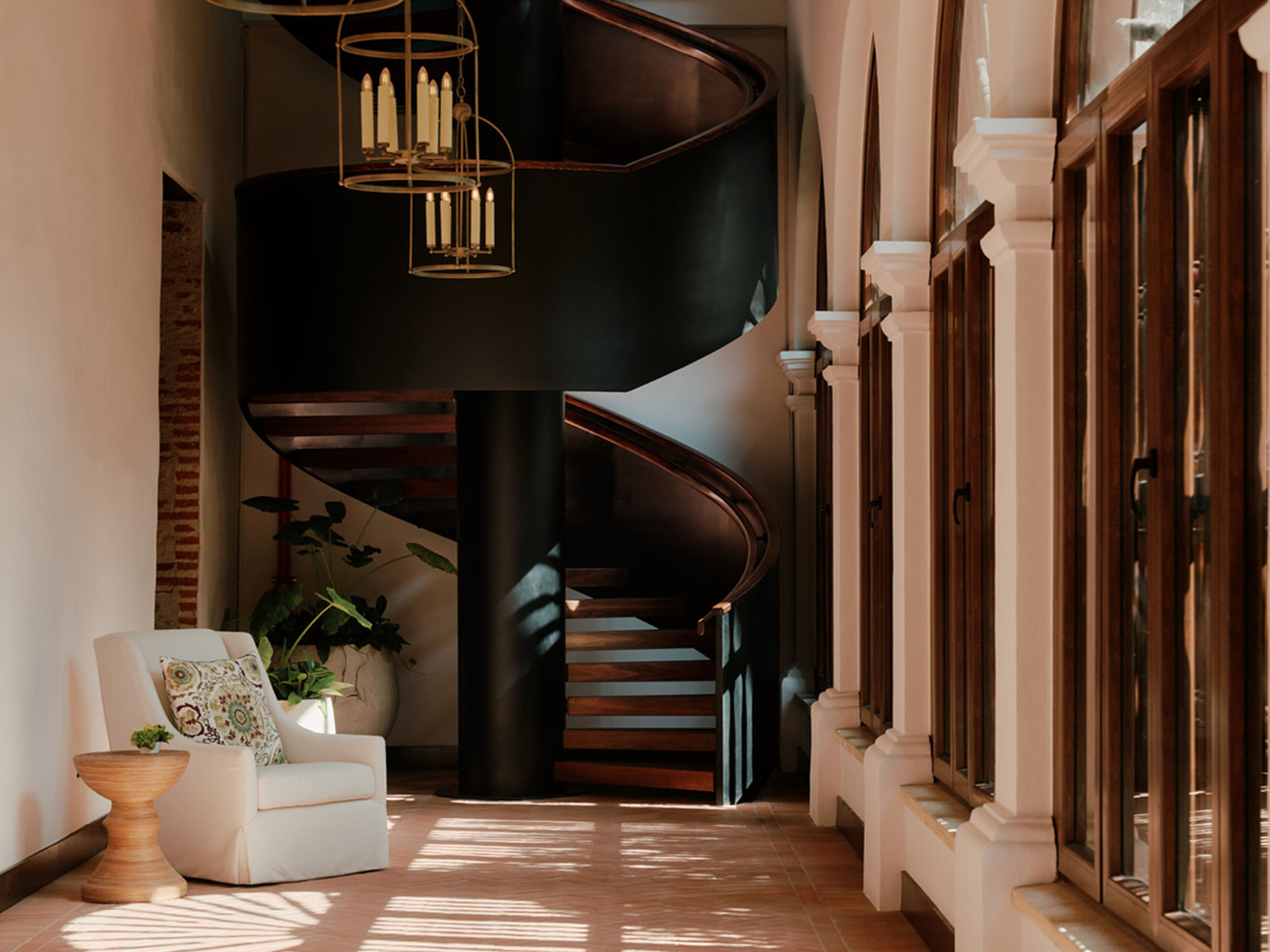
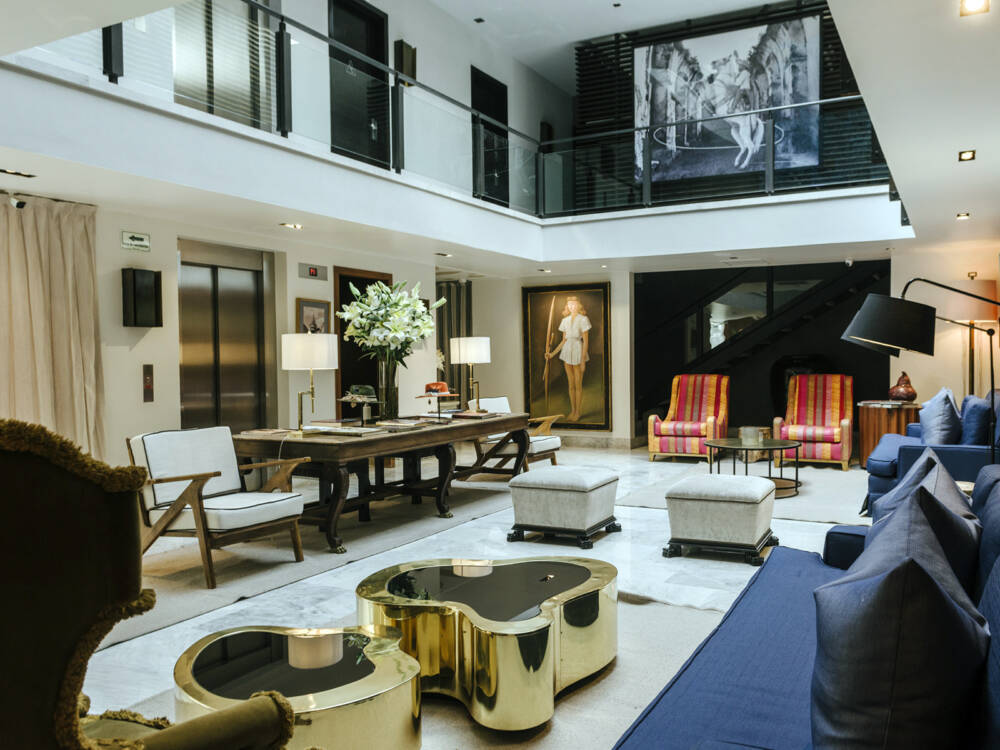
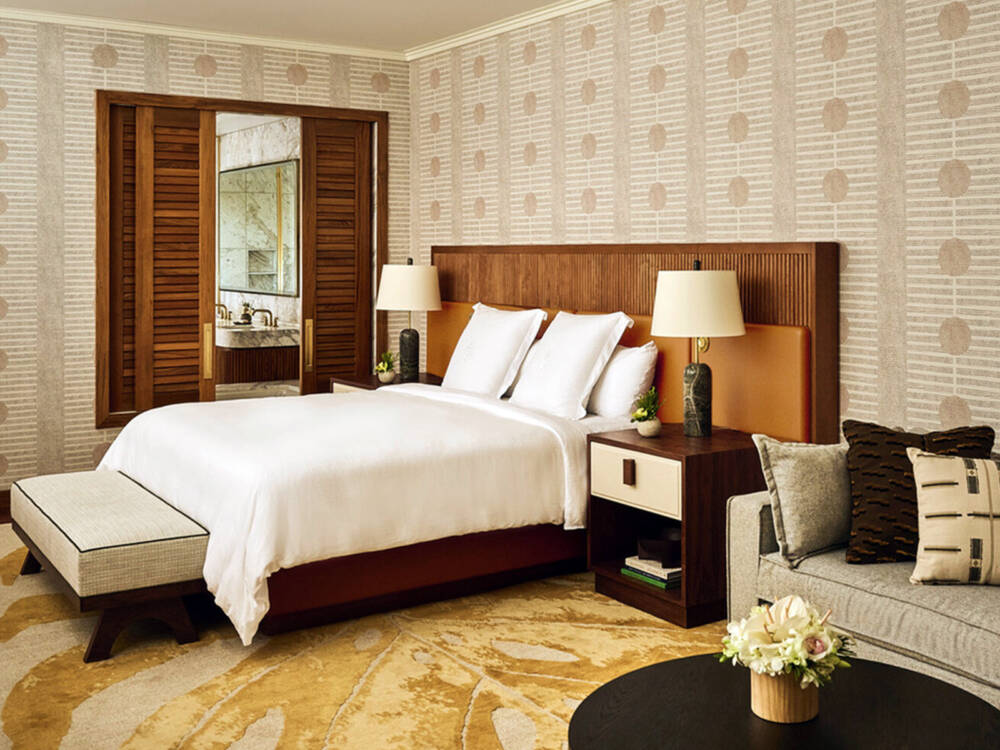
Inside, a soaring glass atrium and grand staircase introduce a sense of scale, but the experience quickly narrows into something more intimate. The 131 accommodations, including 27 rooms and suites within heritage structures, balance preservation with precision. Original architectural details remain intact, now paired with bespoke furnishings and handcrafted elements that echo Catroux’s sensibility—Spanish colonial character, refined rather than romanticized.
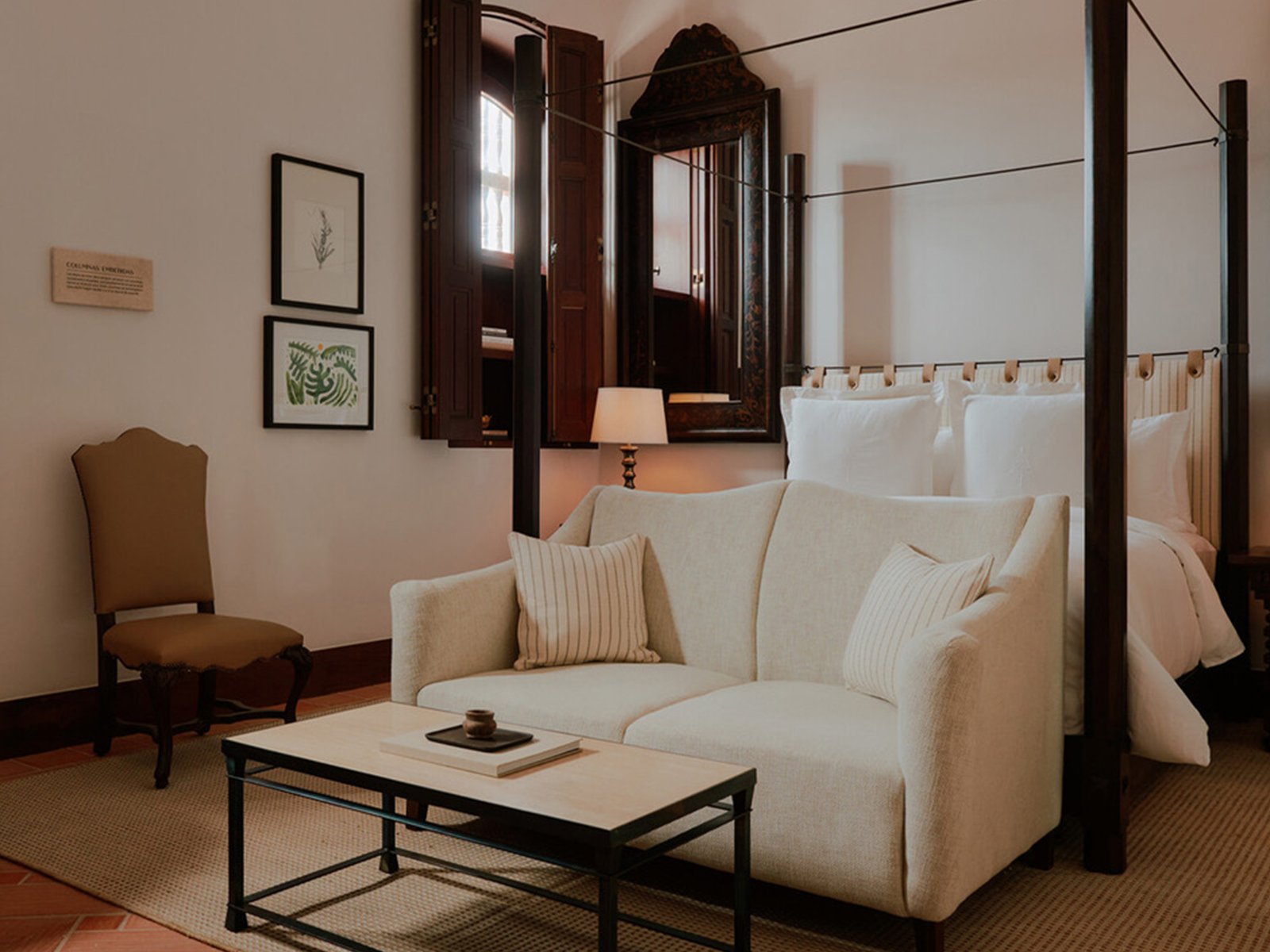
The Catroux Suite is the clearest expression of this approach. Two bedrooms unfold within a framework of historic architecture, opening onto a furnished terrace, where a Moorish-inspired ceramic fountain by María Cecilia Franco Berón serves as the focal point. It is less about opulence, more about atmosphere.
Elsewhere, contemporary rooms are reached through passageways and quiet courtyards—moments of transition that slow the experience. Interiors are pared back: soft tonal palettes, works by Miguel Cárdenas, sculptural interventions by Alejandro Hernández, and custom furnishings shaped by natural light rather than excess.
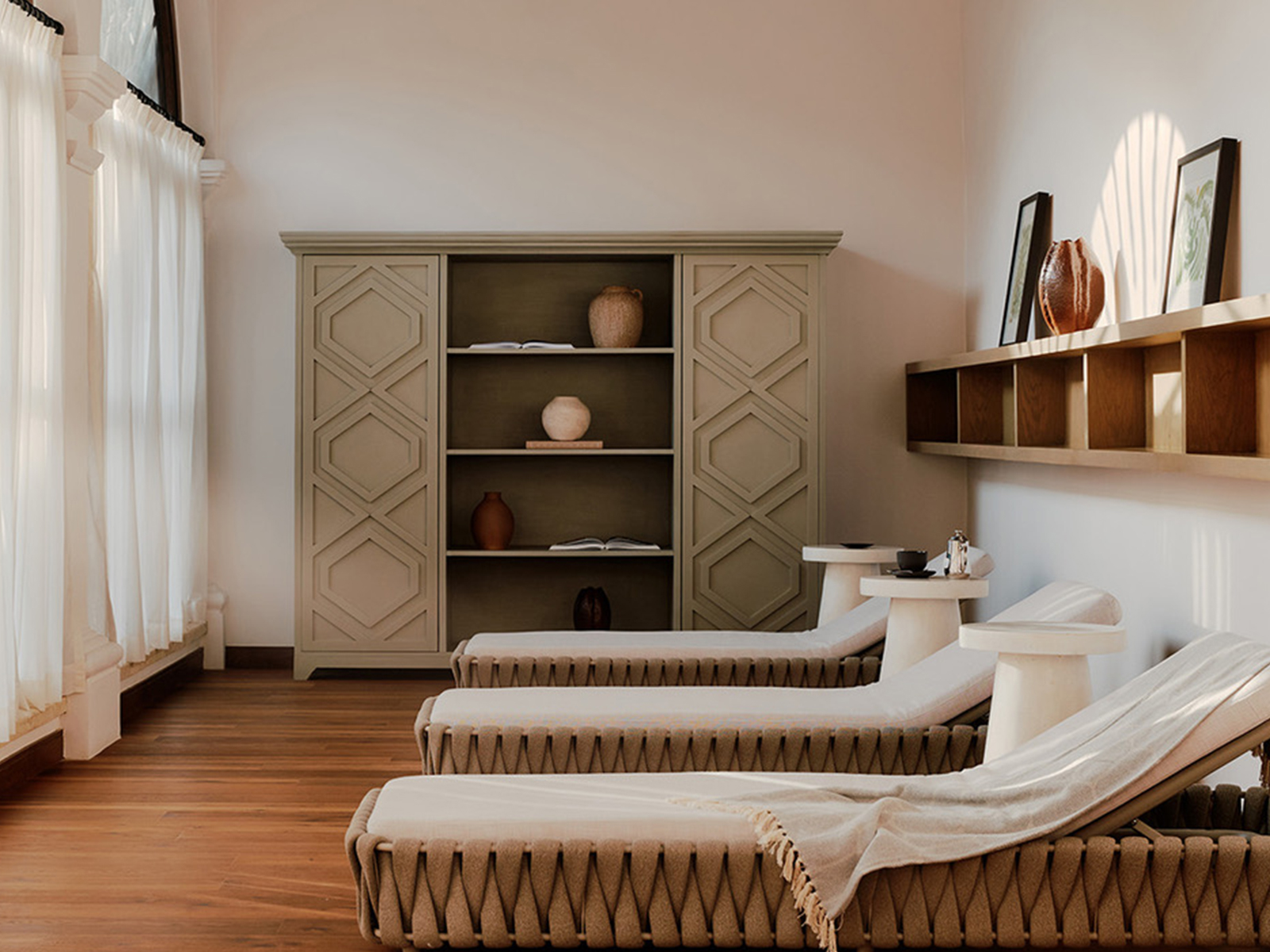
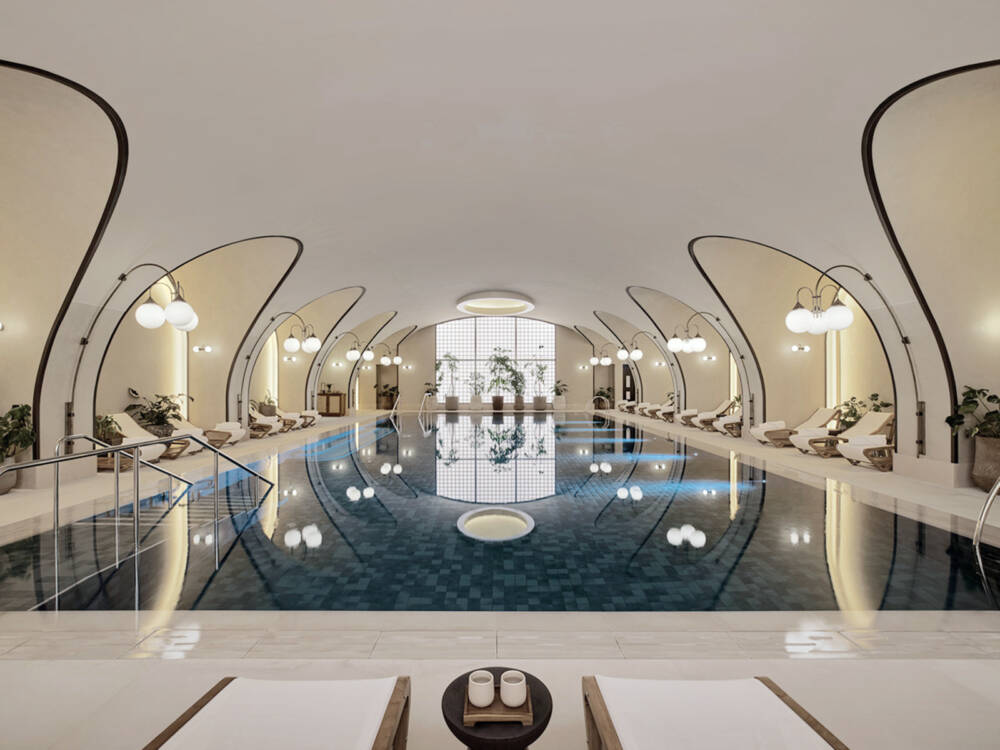
A limited collection of Private Residences by Rodriguez Valencia Arquitectos extends the hotel into something more enduring, offering a fully serviced lifestyle that feels integrated rather than separate. Across the property, eight restaurant and bar venues create a layered culinary presence, while Umari Spa—set within former cloisters—offers a measured, almost monastic approach to wellness.
Four Seasons’ expansion into Cartagena marks a milestone, certainly. But what lingers is something quieter: a hotel that understands the value of restraint in a city defined by color, rhythm, and heat.
Not louder. Just more considered. Four Seasons Cartagena.

On the Saint Lawrence River.


Travel with Ease

Hotel Manapany St. Barths
Luxury Retreat


Sunny Isles Beach

New Comforts Same Glamour
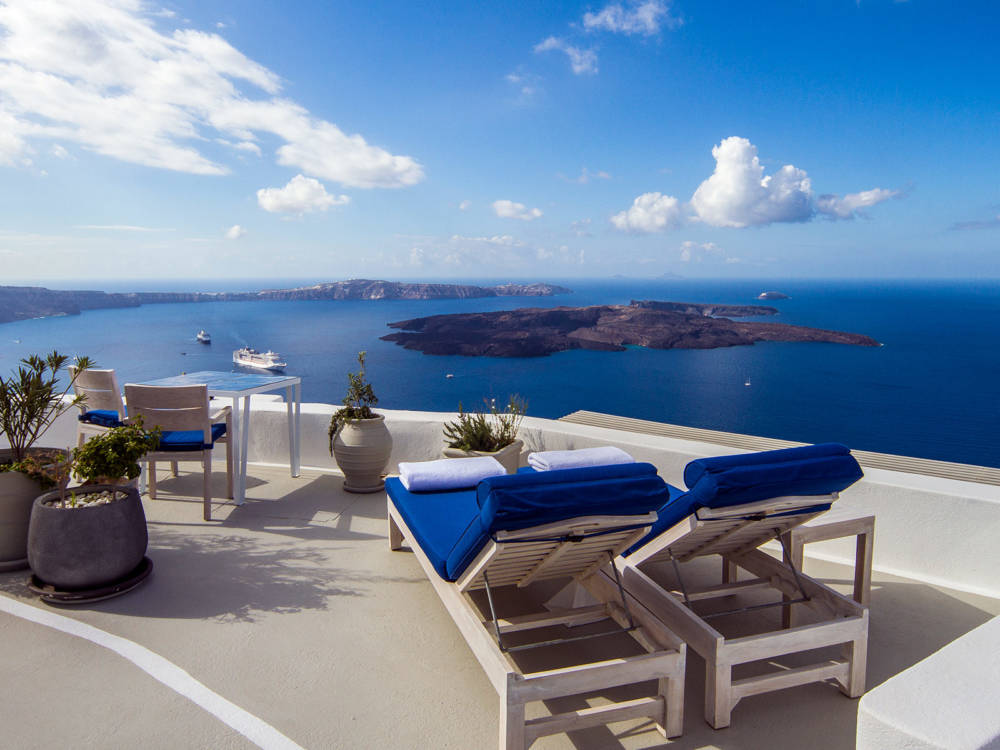
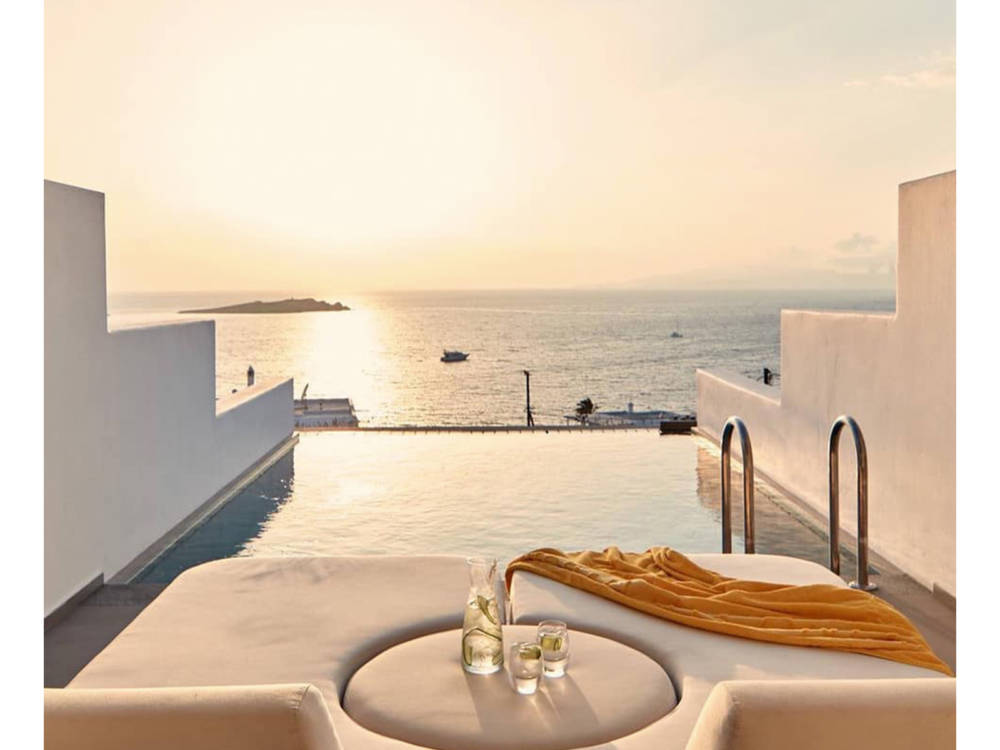
Overlook the Aegean Sea
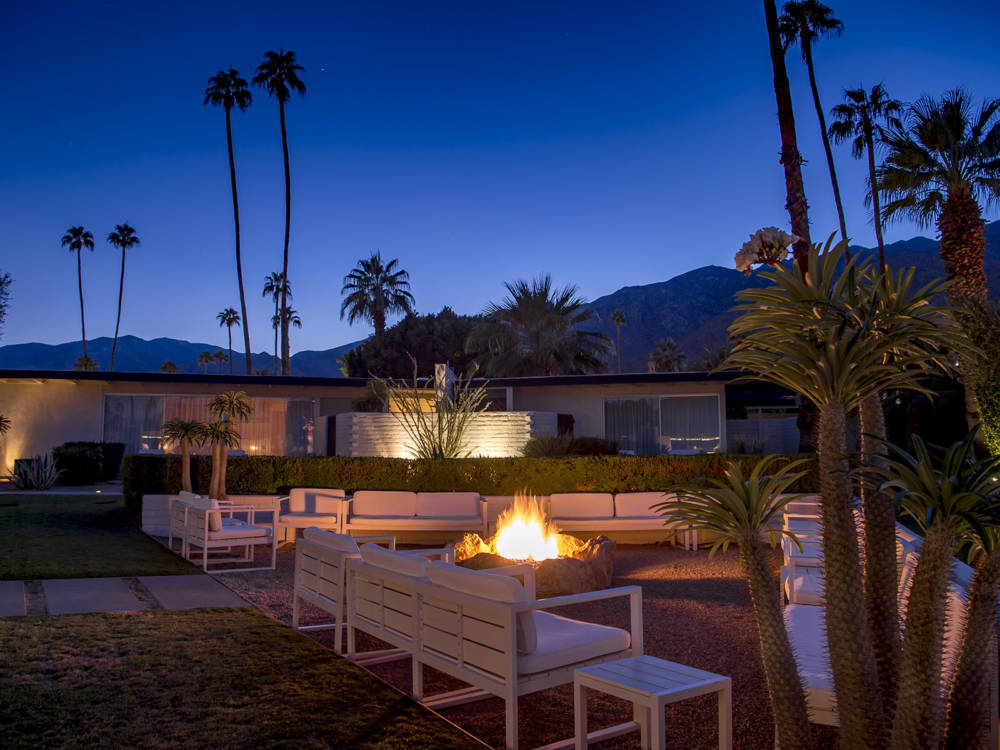
Desert Chic


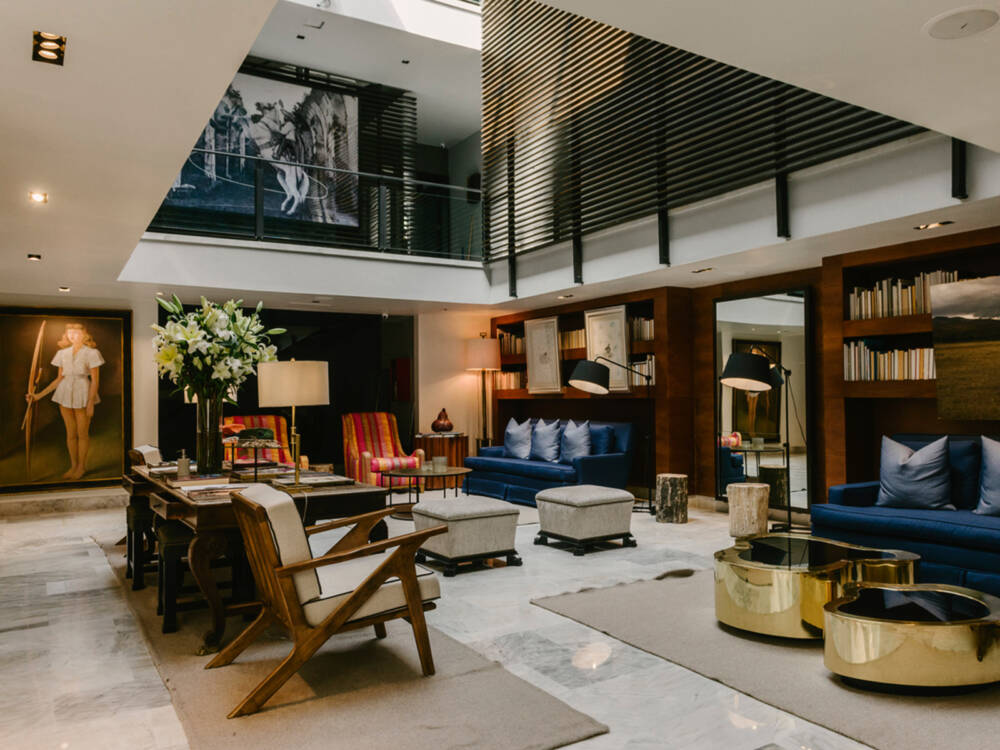




Picture perfect luxury.




Abadía Retuerta LeDomaine Celebrates Five Years
Woodside California