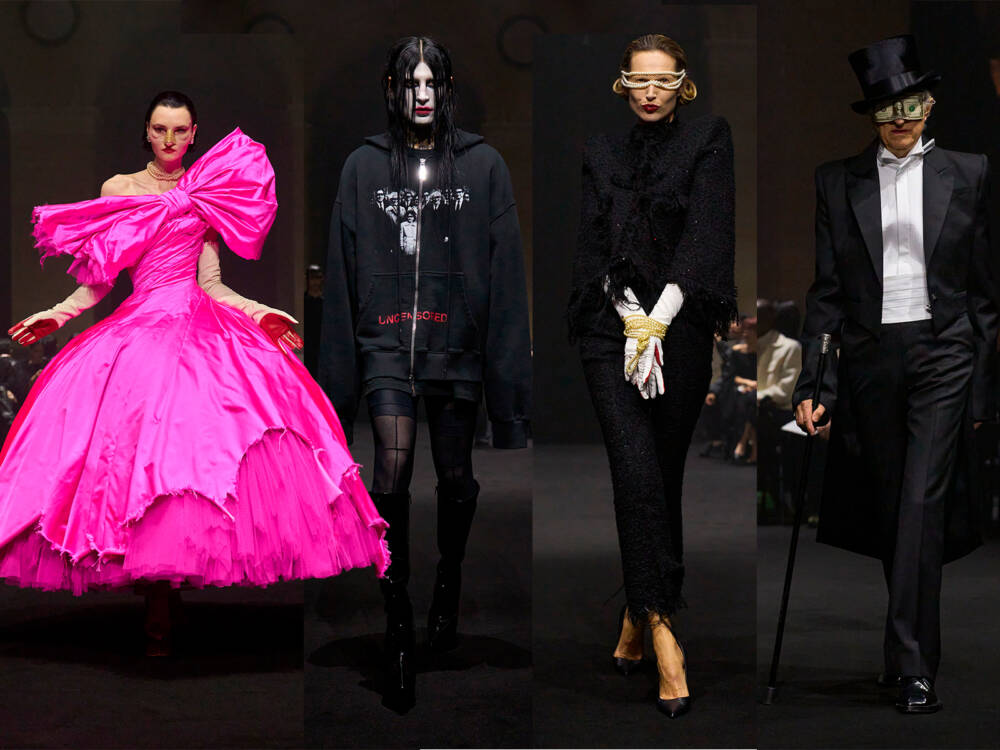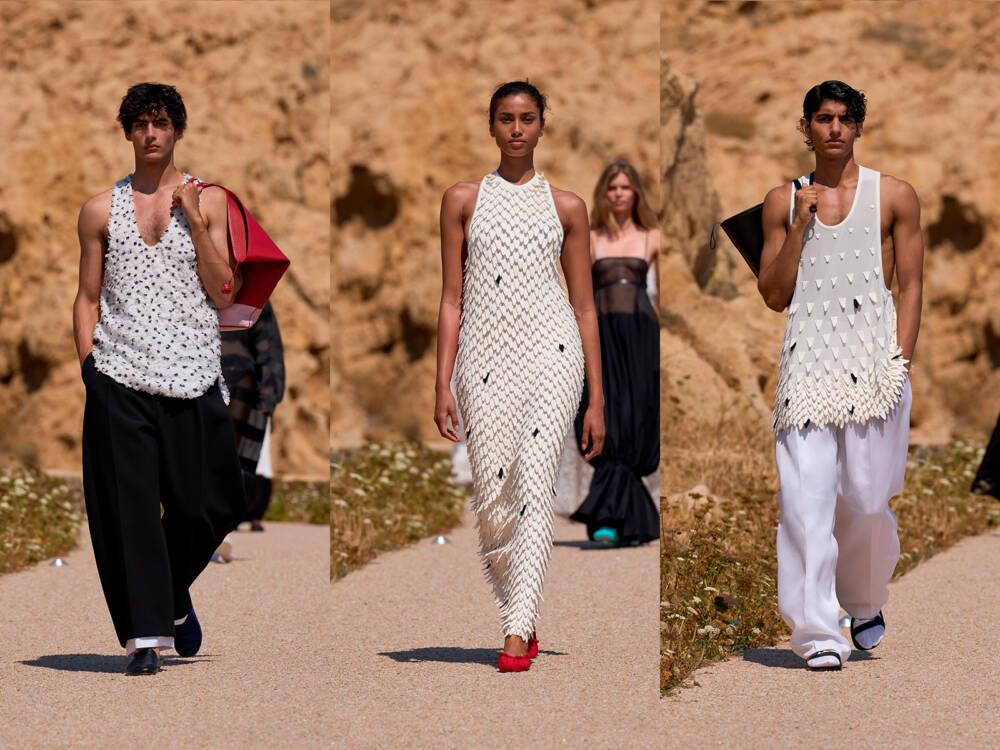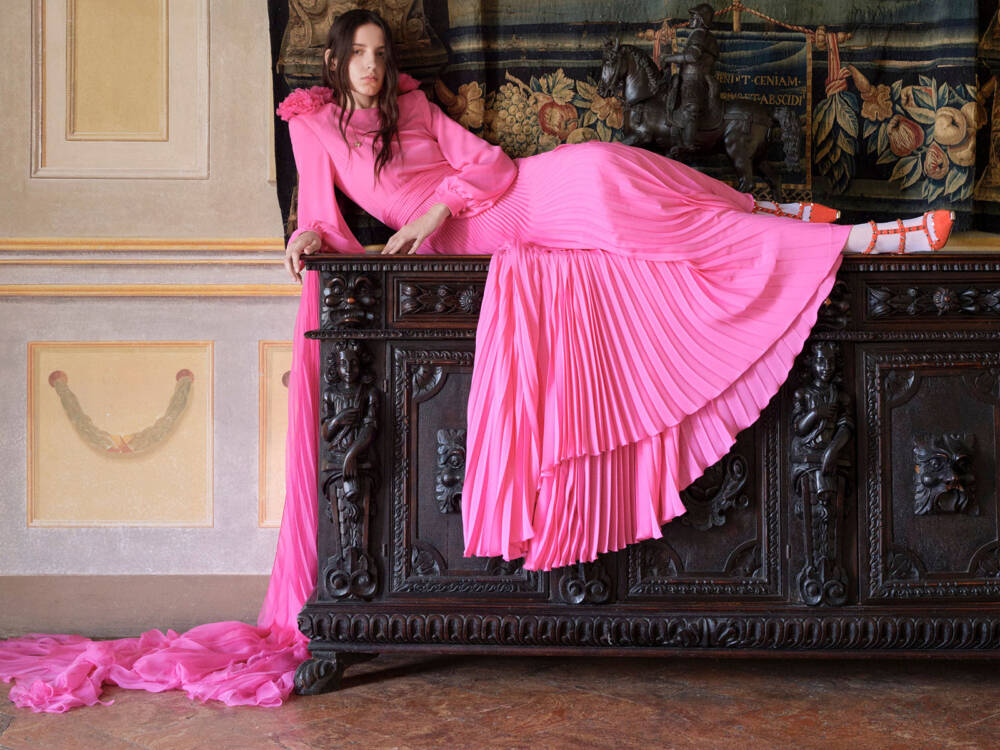

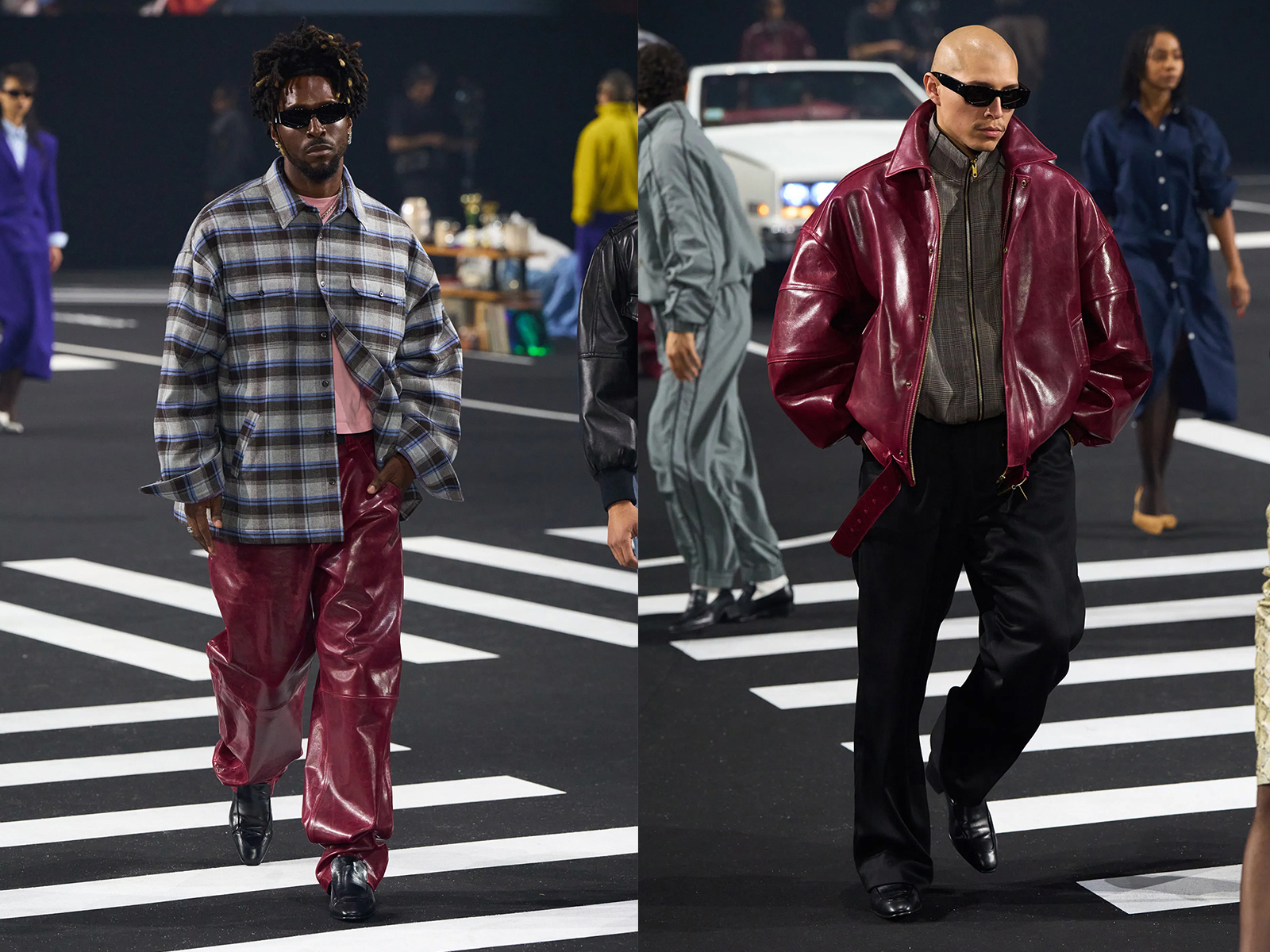
Willy Chavarria has been building toward this moment with a steady, unmistakable force. A Mexican American designer raised in California’s Central Valley, his work draws from lived experience—Chicano culture, working-class identity, and the evolving language of masculinity, expressed through precision and ease. In recent seasons, a series of top honors—including recognition from the Council of Fashion Designers of America, where he has been awarded American Menswear Designer of the Year—has brought wider attention to his work, though the clarity of his vision has been evident for some time. He remains a designer shaping his own vocabulary—one that feels both deeply personal and increasingly global.
Fall 2026 menswear arrives with a sense of completeness. “I’ve got tailoring for going to work. I’ve got sportswear for being chic and casual. I’ve got streetwear—thugged-out streetwear,” he said beforehand. The collection moves across these categories without division. It understands that a man’s life is not segmented—it shifts, often within a single day.
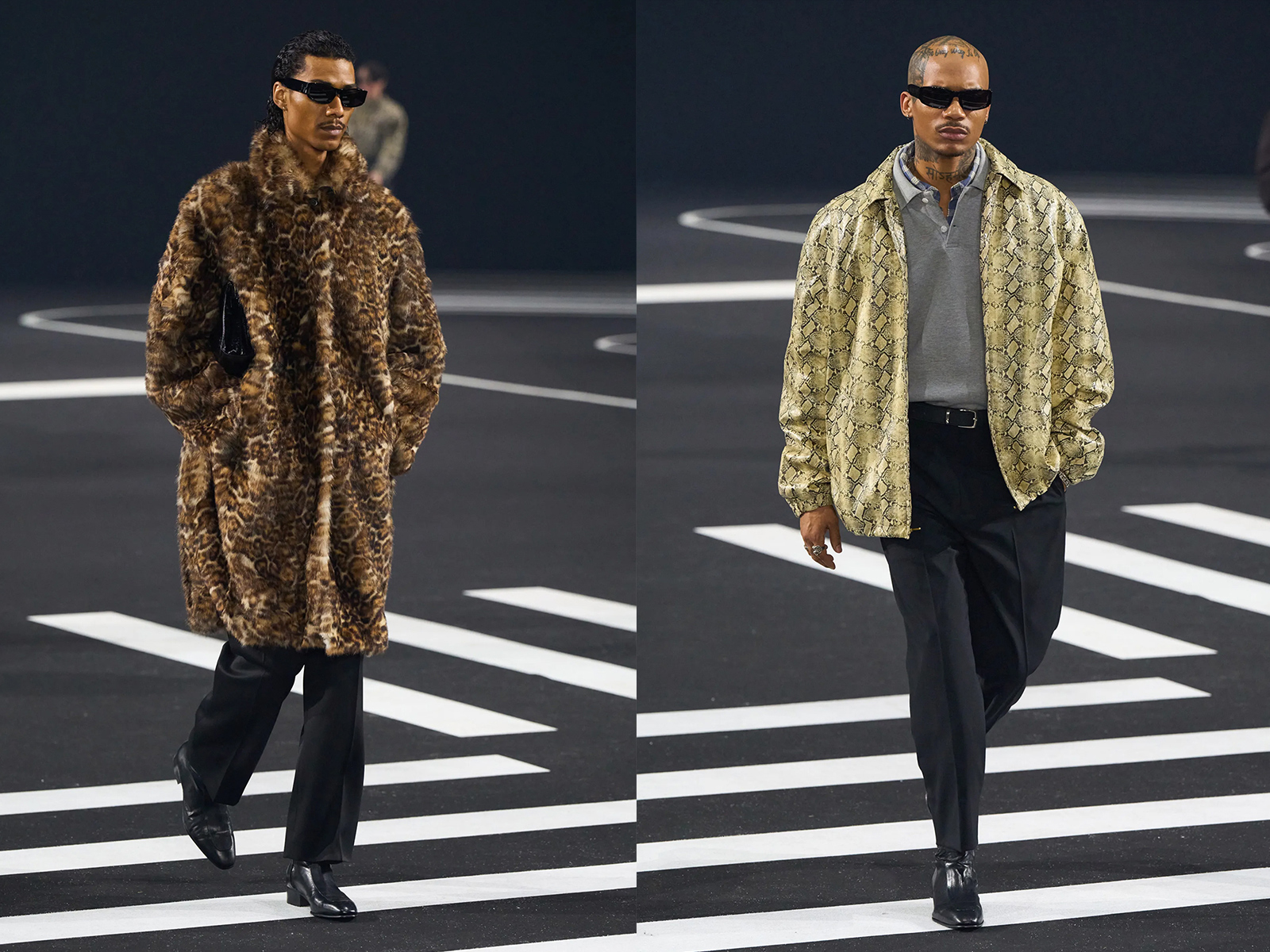
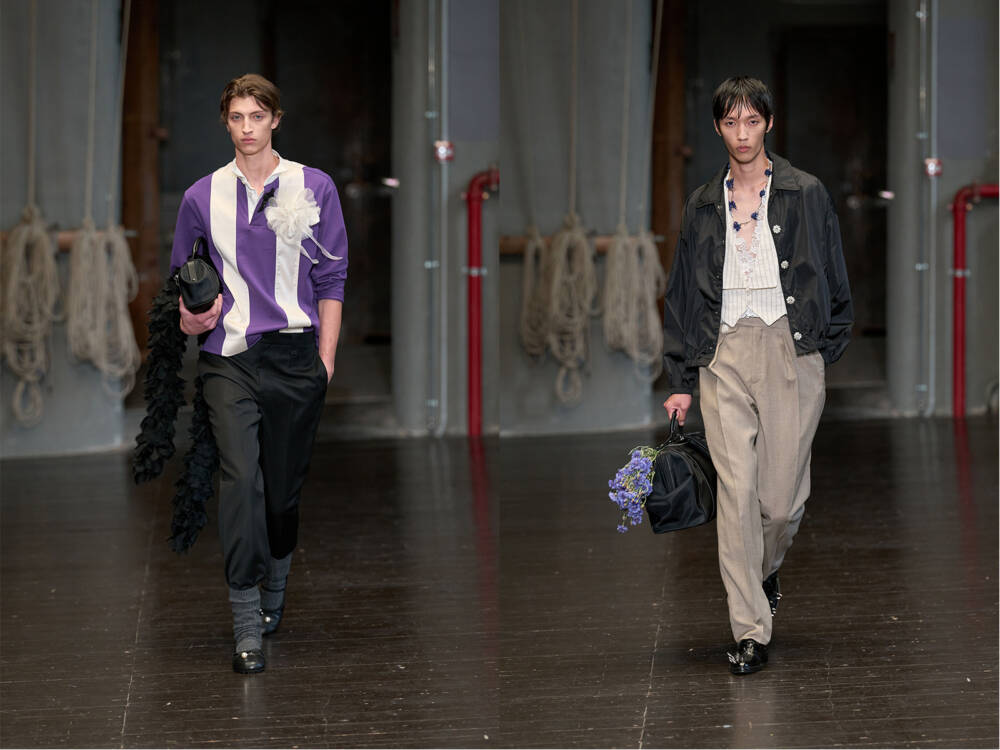
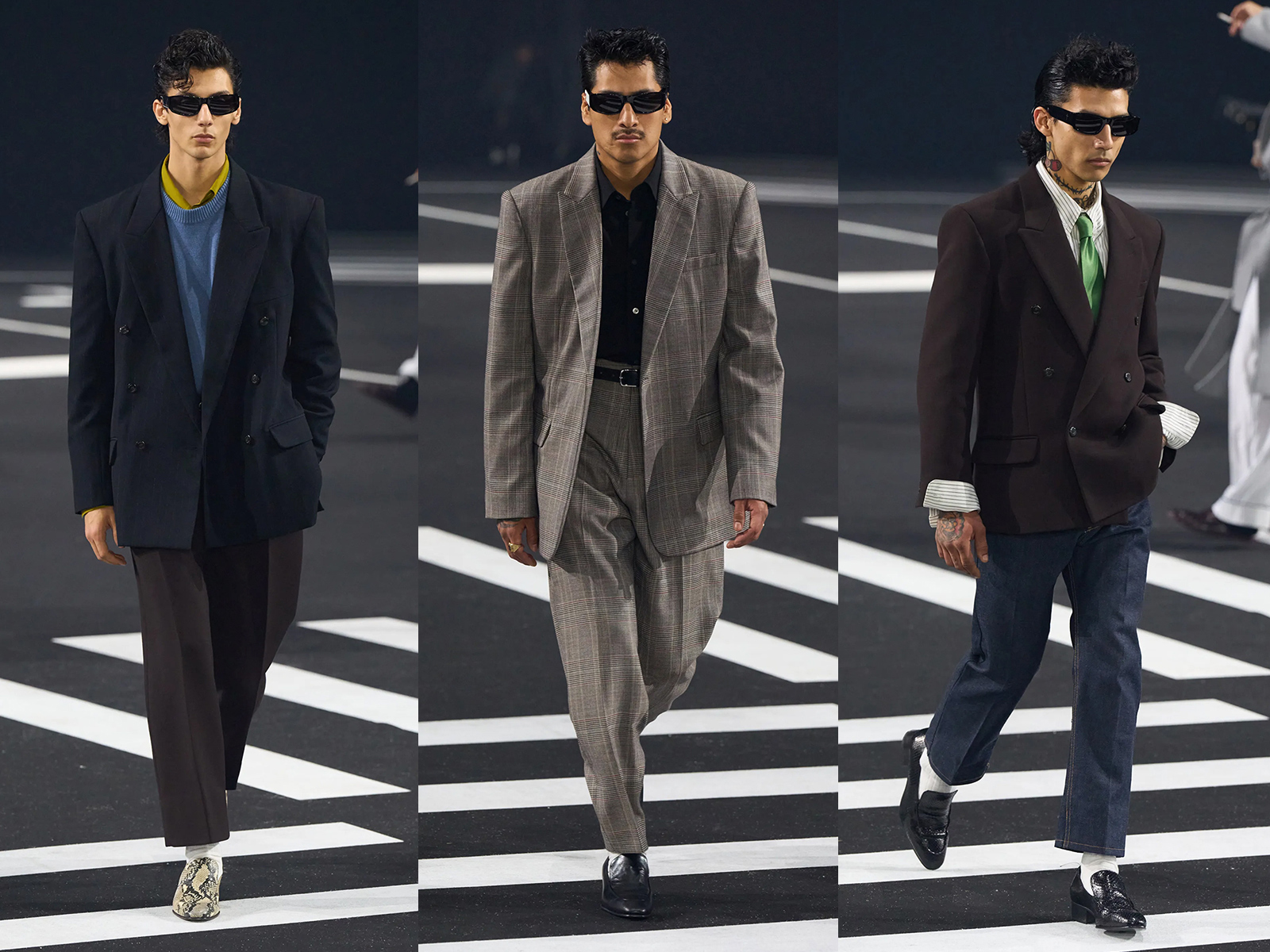
The tailoring carries particular authority. Suits are cut with breadth and intention—broad shoulders, extended lines, and a softness that resists rigidity. There is a trace of the 1970s in their posture, but nothing here feels nostalgic. The proportions are recalibrated: trousers fall with a deliberate looseness, jackets hold structure without constraint. There is both energy and restraint—an Uptown sensibility rendered with sophistication and control.
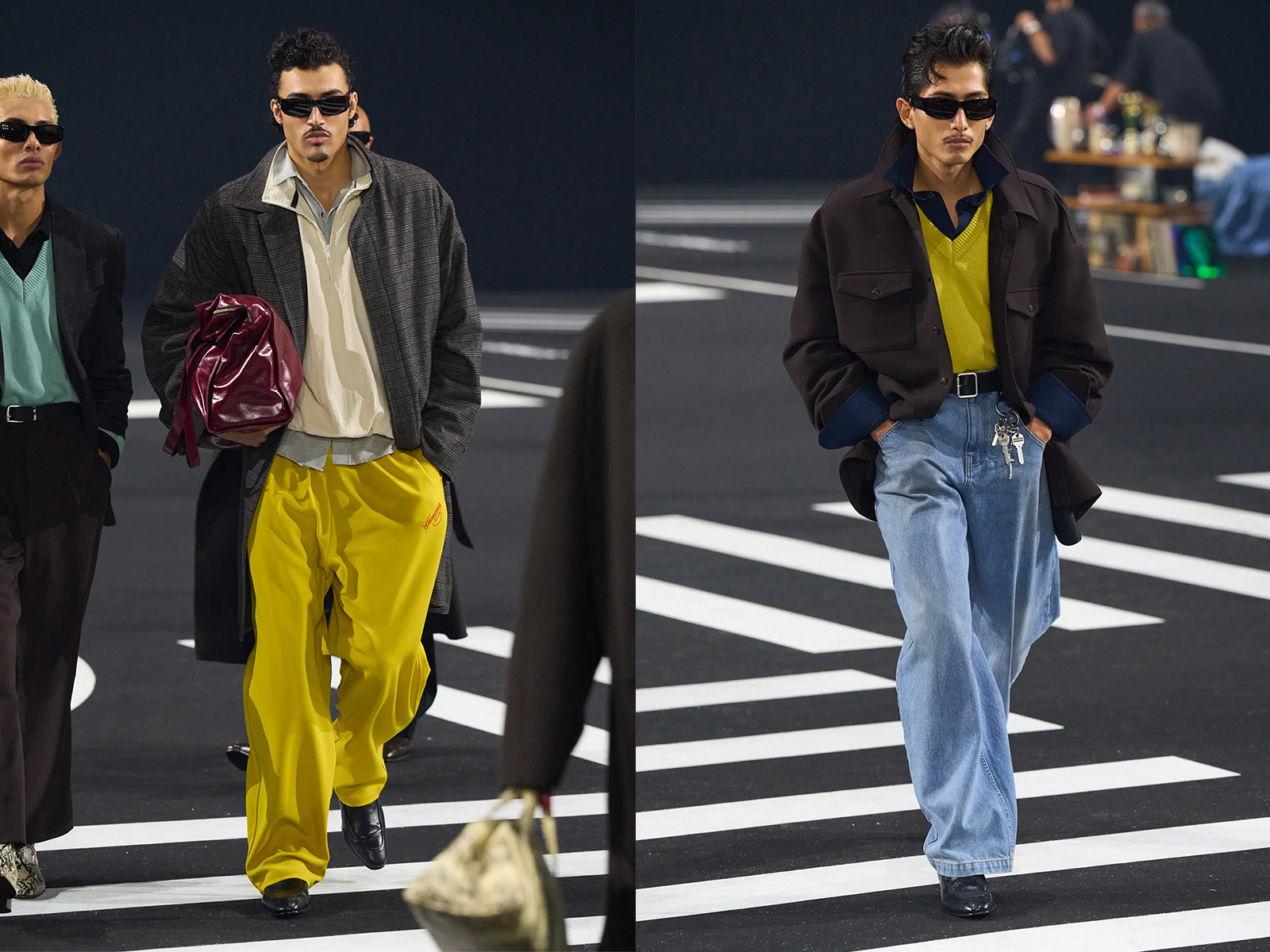
Outerwear follows this same rhythm. Coats drape with quiet precision, offering volume that feels considered rather than exaggerated. The garments move with the body, never against it.
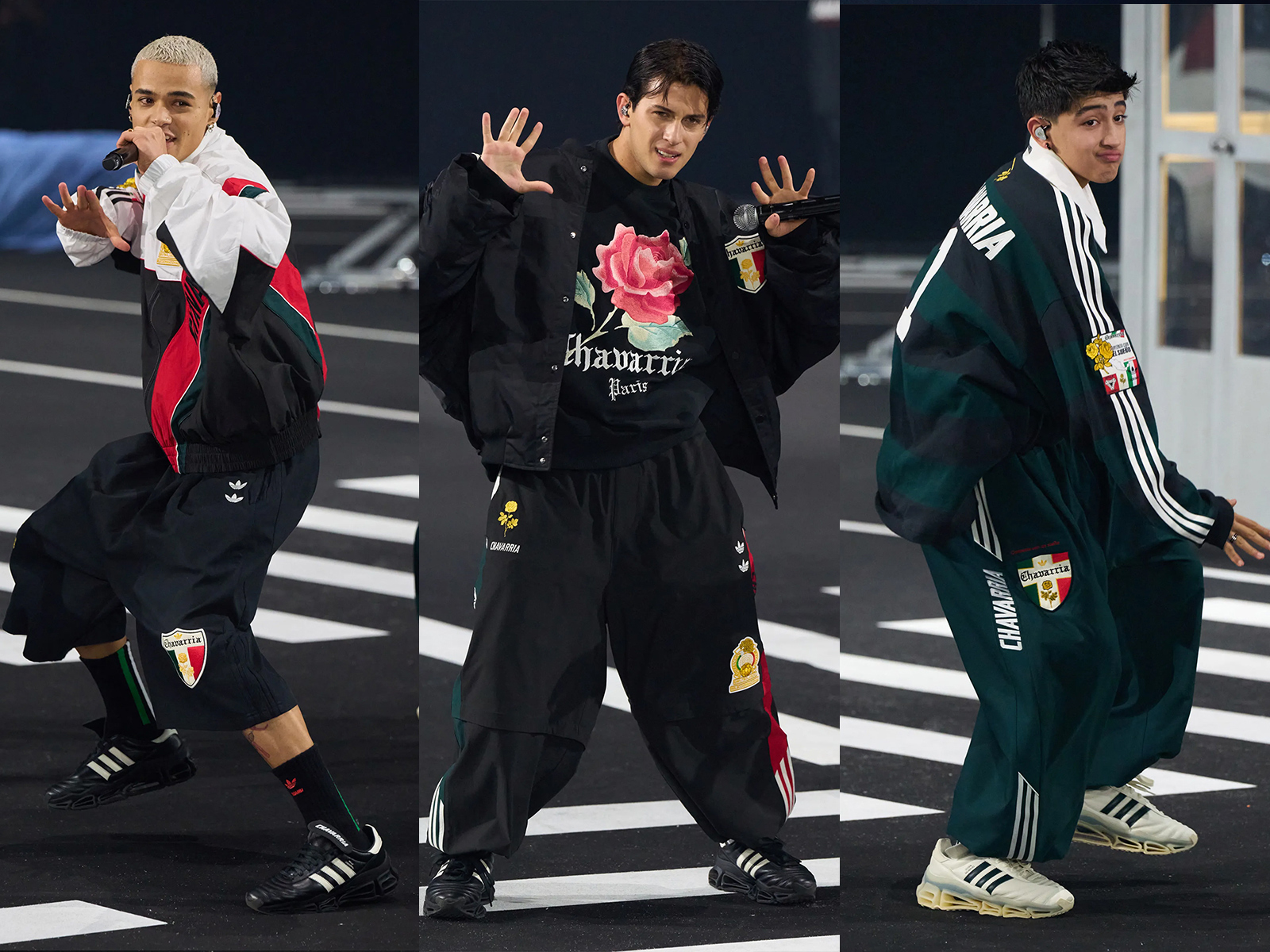
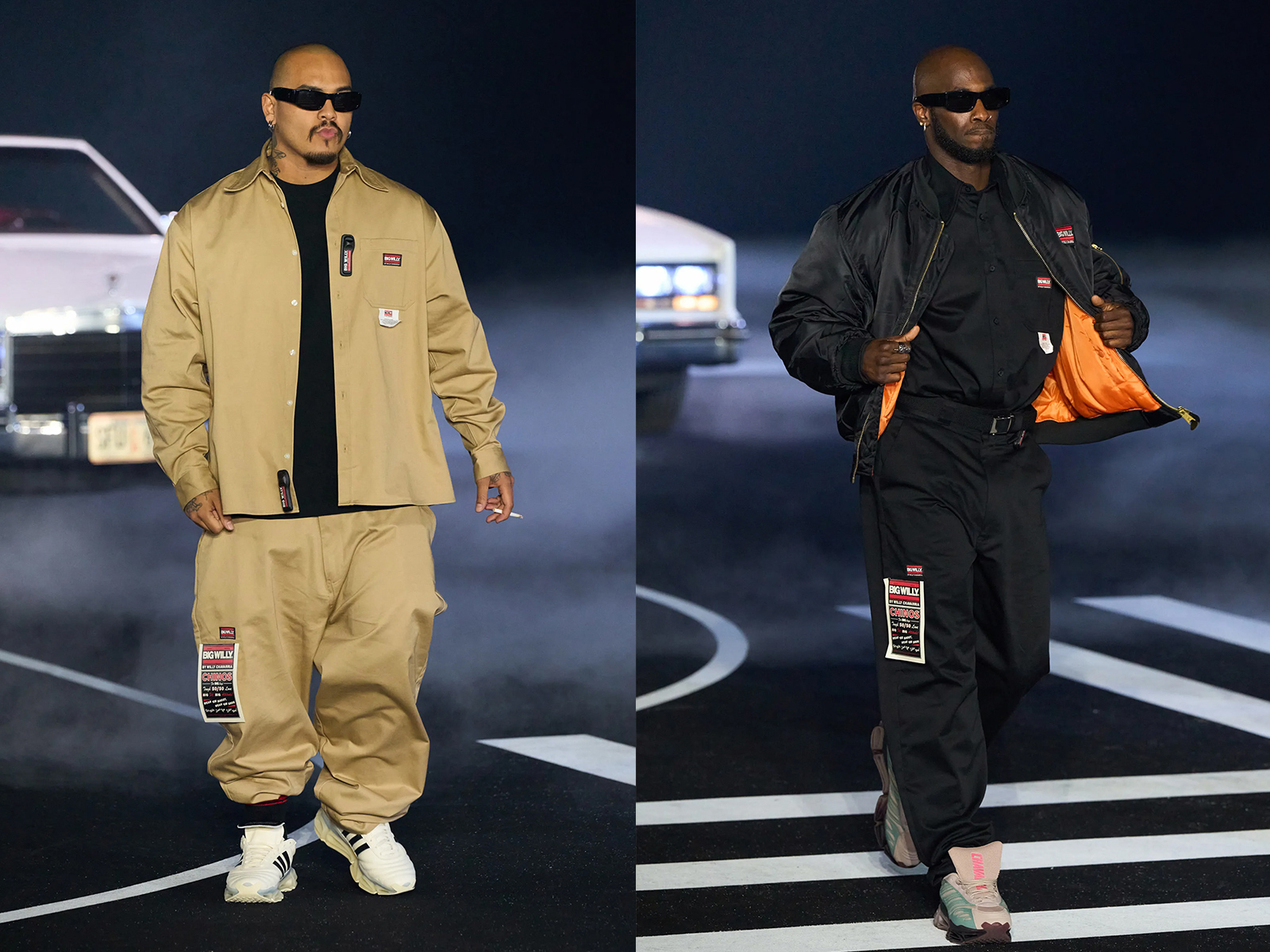
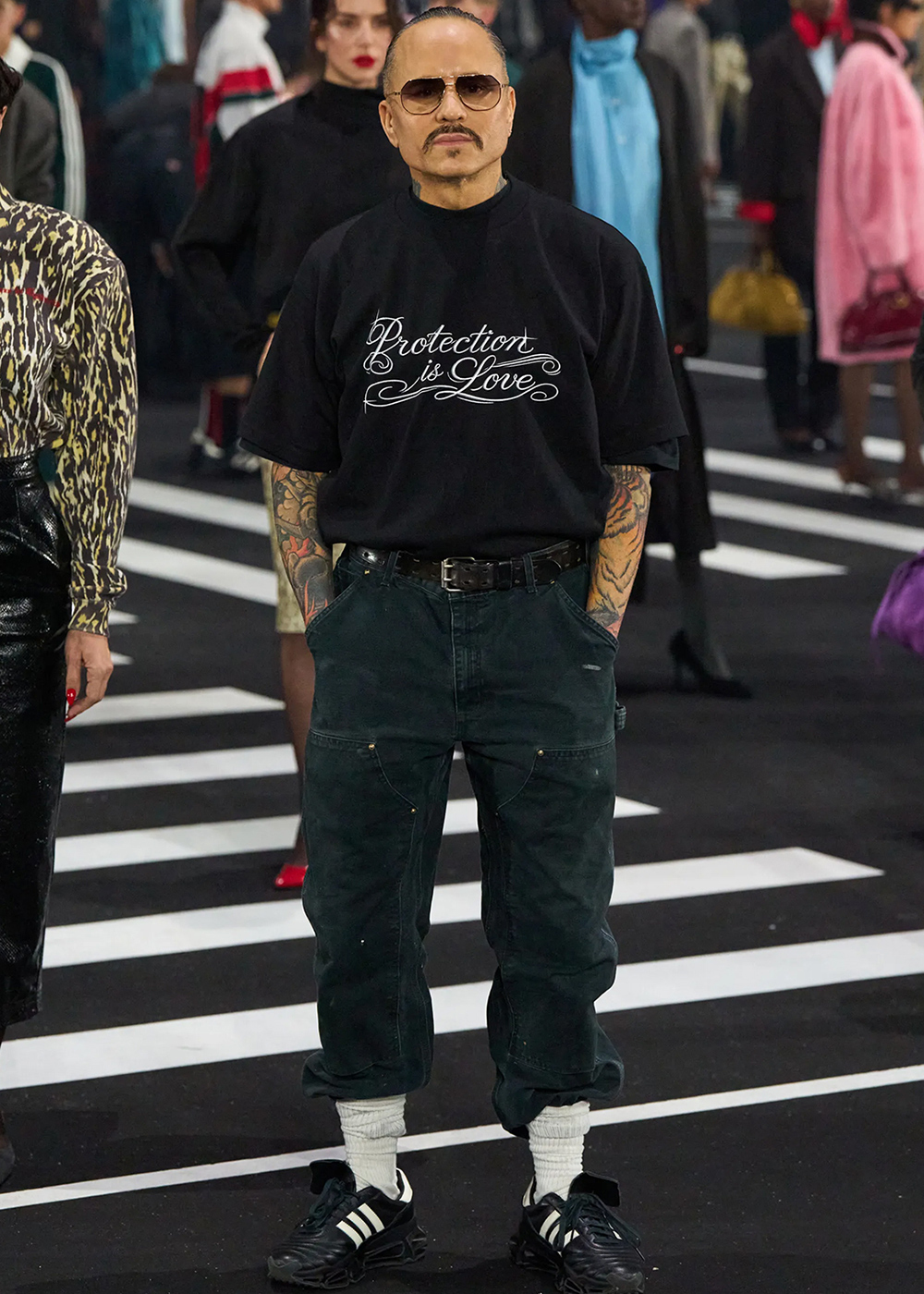
Then the tone shifts. Streetwear enters through the launch of his Big Willy label, delivered in a see-now, buy-now format. The “thug wear” he references is direct, unapologetic—oversized silhouettes, graphic statements, and a grounded physicality that speaks to culture rather than trend. It is not an aside; it is central to the collection’s identity.
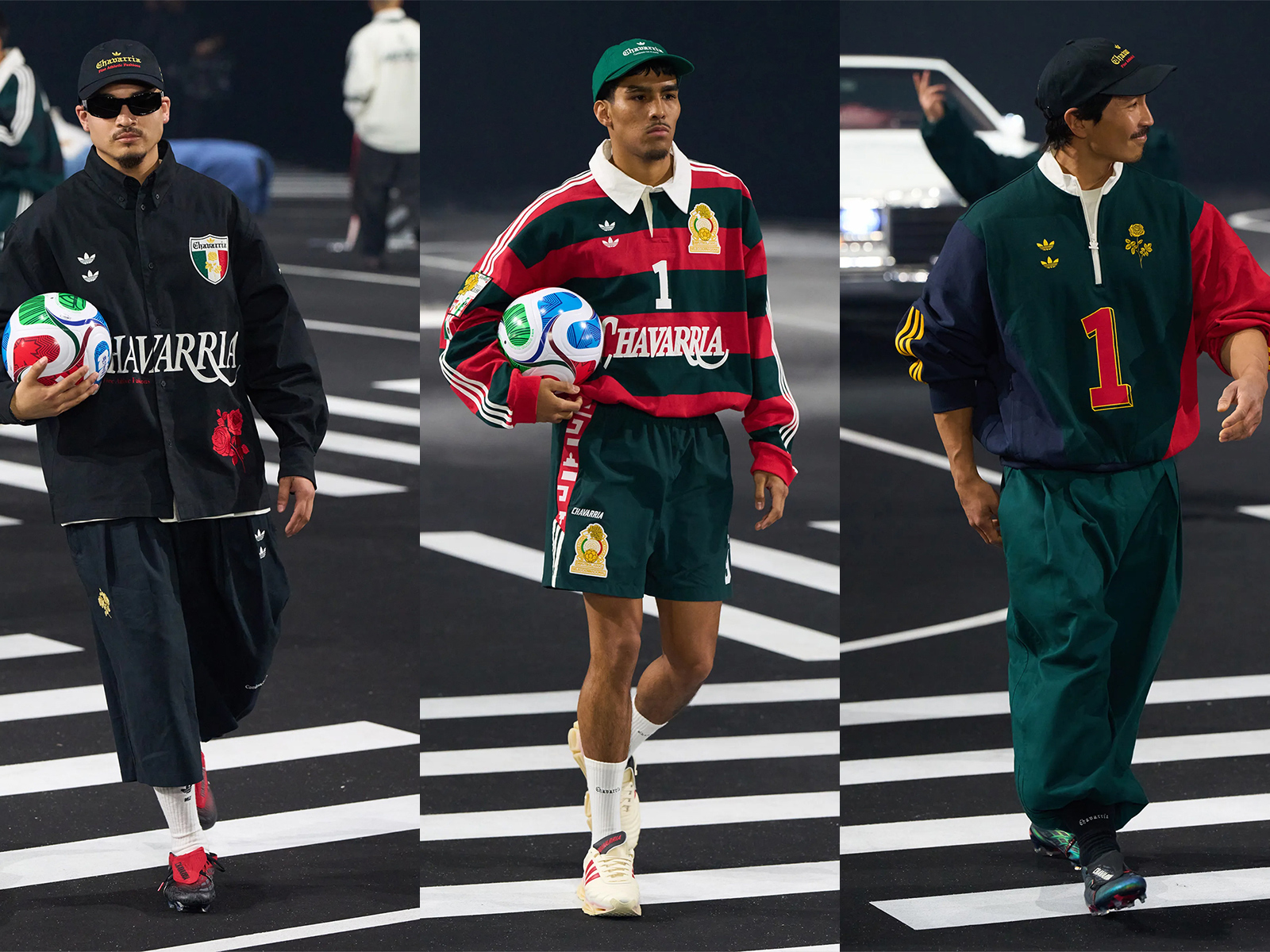
The collaboration with Adidas, developed in partnership with the Mexican Federation for the World Cup, extends that reach. Sport becomes a connective thread—linking performance, heritage, and global visibility.
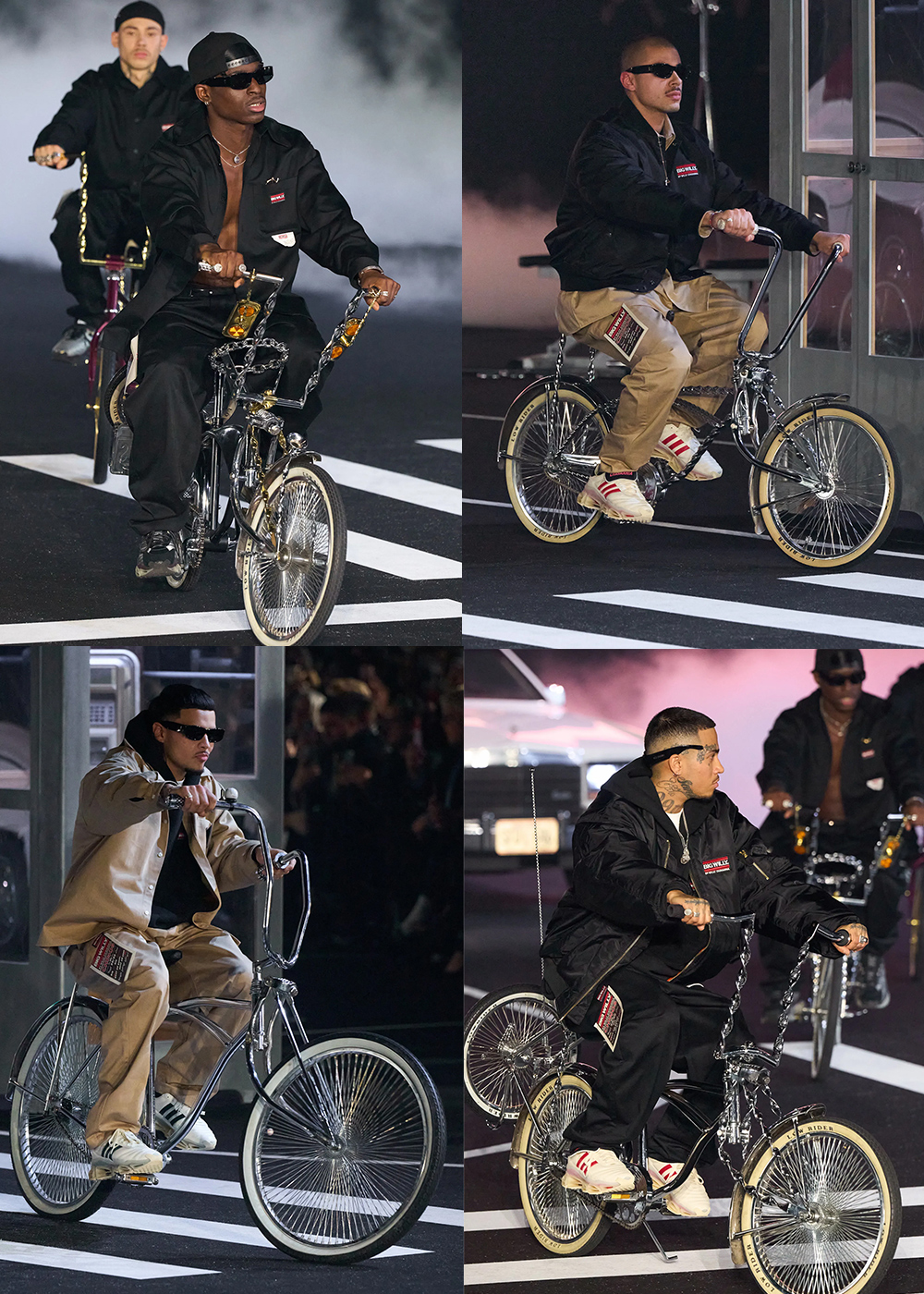
Moments within the presentation deepen the narrative. Men on tricked-out bikes move through the space with a sense of presence that feels both raw and composed. Live vocal performances introduce a human element—something immediate, almost intimate. These gestures reinforce the idea that the collection is not theoretical. It is lived.
What emerges is a complete wardrobe, but more importantly, a complete perspective. Formalwear, sportswear, and streetwear exist here in conversation, not hierarchy. Each informs the other.
Chavarria understands that identity is layered. His work reflects that complexity with confidence—and with care.
Willy Chavarria