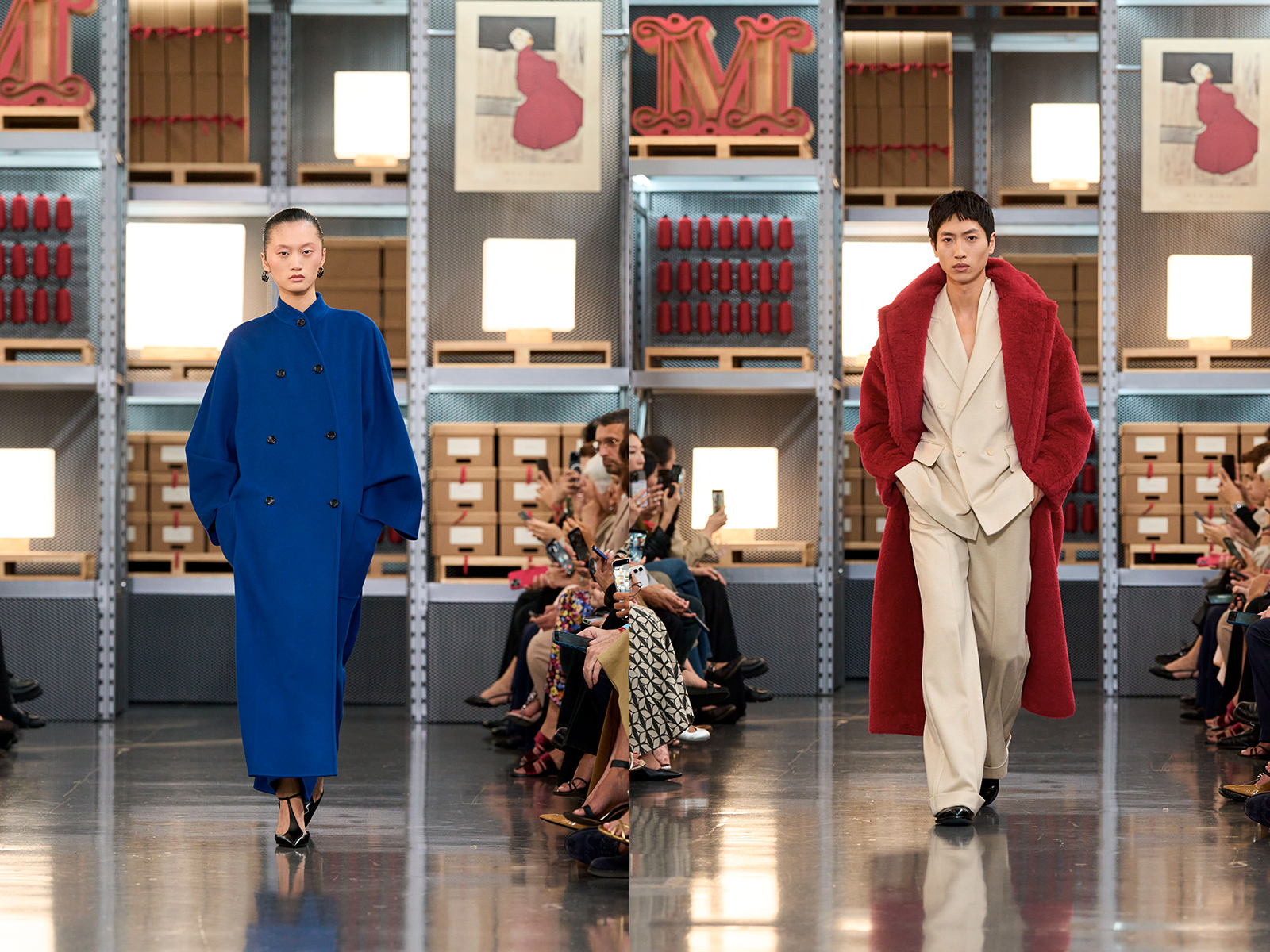
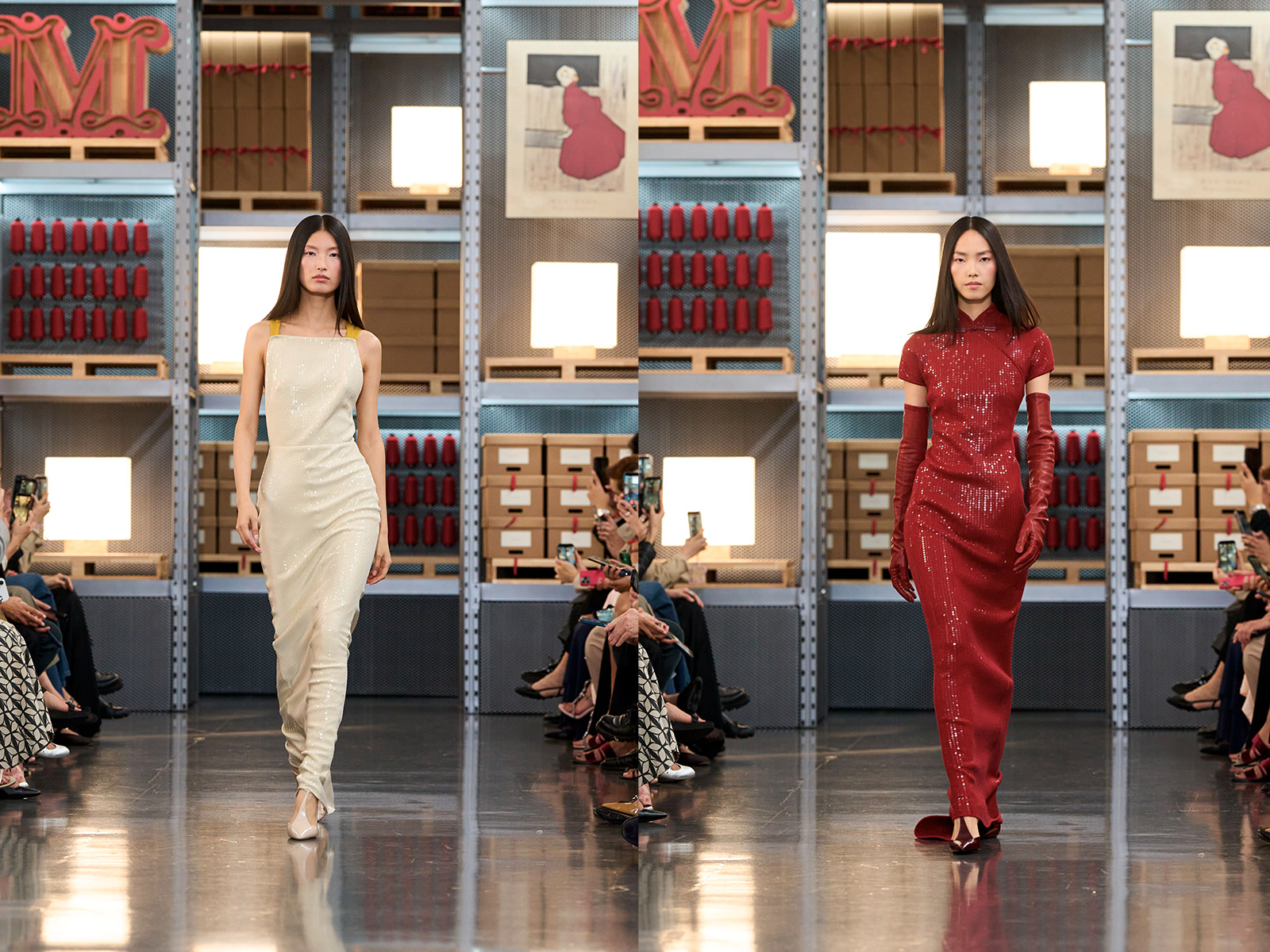
What does timelessness look like when a fashion house actually means it?
For seventy-five years, Max Mara has been making clothes for women who have somewhere to go. The city is its natural setting: the office, the restaurant, the hotel, the street, the airport. Places where a woman moves through the world dressed not for fashion’s approval but for her own purposes. It is a particular kind of modern elegance, and one that Max Mara has been refining since Achille Maramotti founded the house in Reggio Emilia in 1951.
Maramotti admired Parisian haute couture but wanted something different: beautifully made ready-to-wear that could bring good materials, refined shapes and serious design to a much larger number of women. His ambition was, in his words, to create something like a “Bauhaus of fashion”—a place where the quality of the idea mattered as much as the quality of its execution, and where good design could be accessible rather than intimidating.
You can still see that philosophy in the clothes.
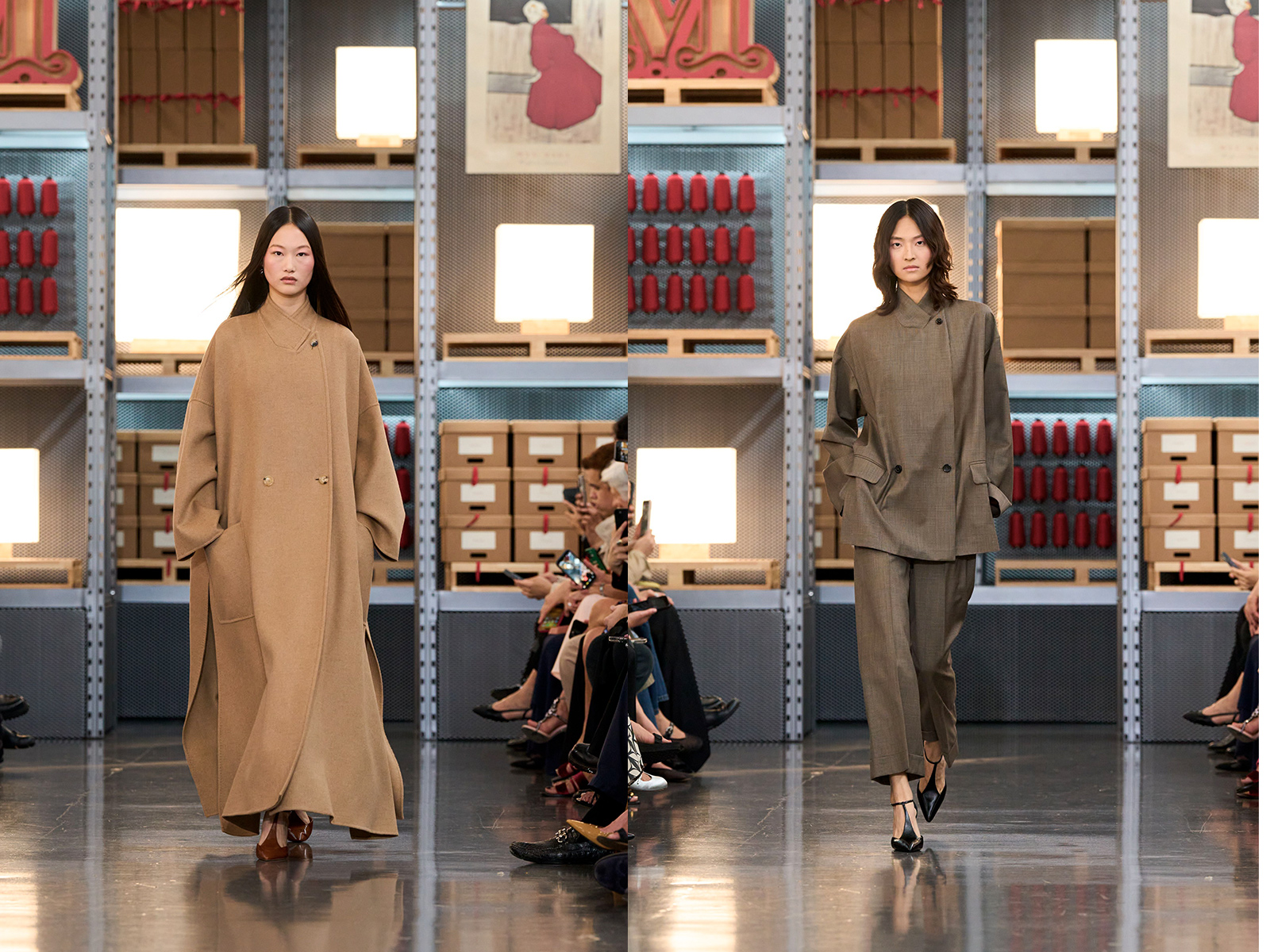
Max Mara became famous for the coat, perhaps more than any other category. The house has spent decades refining wool, camel hair, cashmere and alpaca into luxurious coats without looking fragile. The 101801, designed by Anne-Marie Beretta in 1981, became the emblem: generous, beautifully proportioned and remarkably indifferent to fashion’s need for novelty. It works over a masculine-cut suit, an ultra-feminine dress or simply jeans and a T-shirt.
That ability to move between worlds is central to the Max Mara woman.
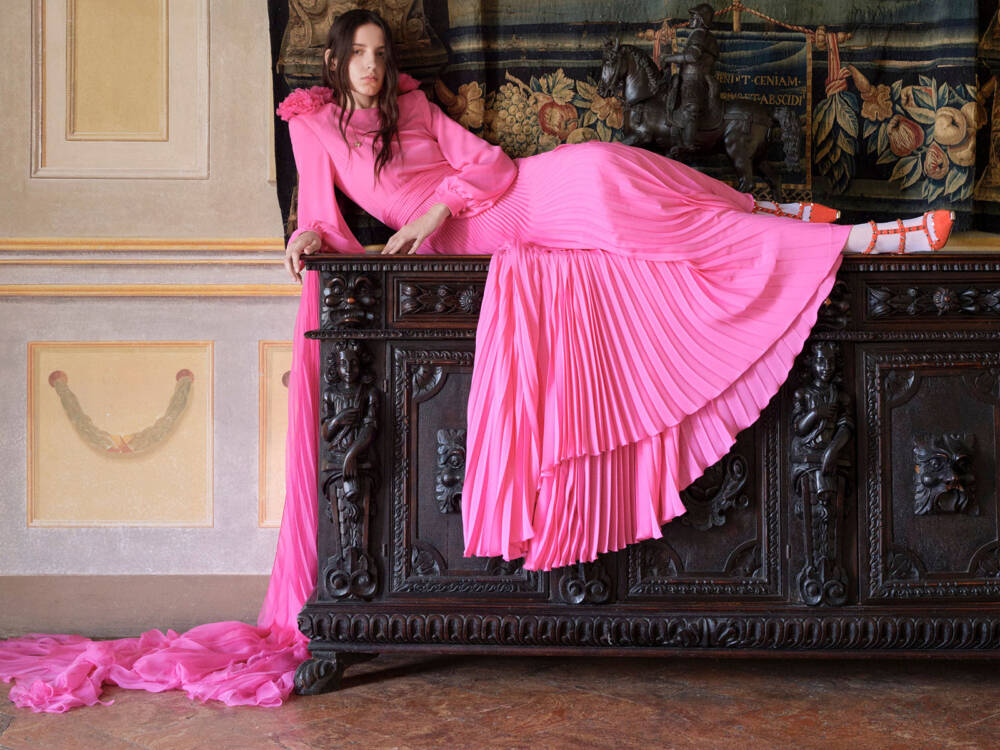
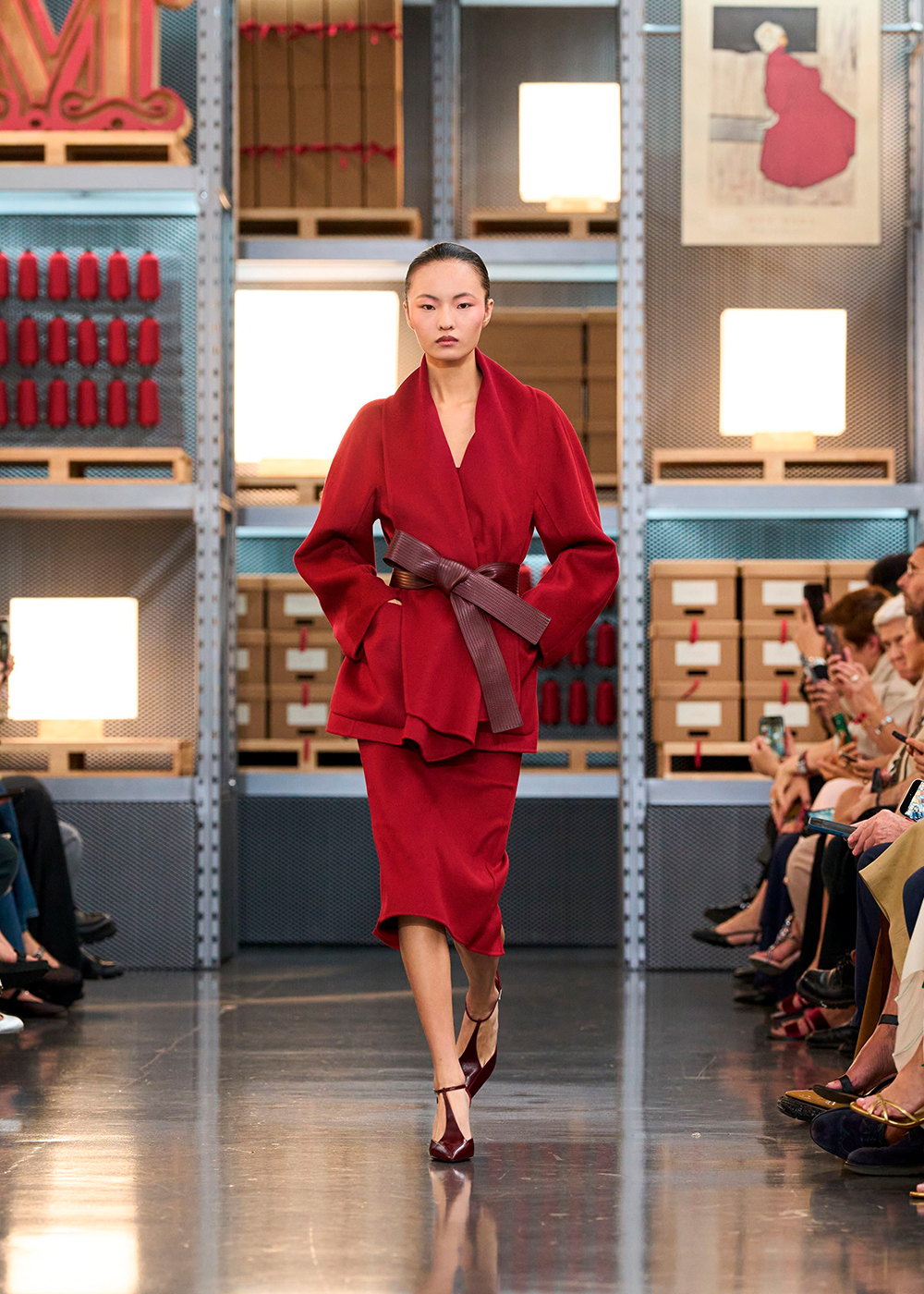
She is polished but not precious. Feminine, certainly, but not necessarily decorative. A bow, just so. A beautiful coat. A skirt that moves. A waist that is there without demanding attention.
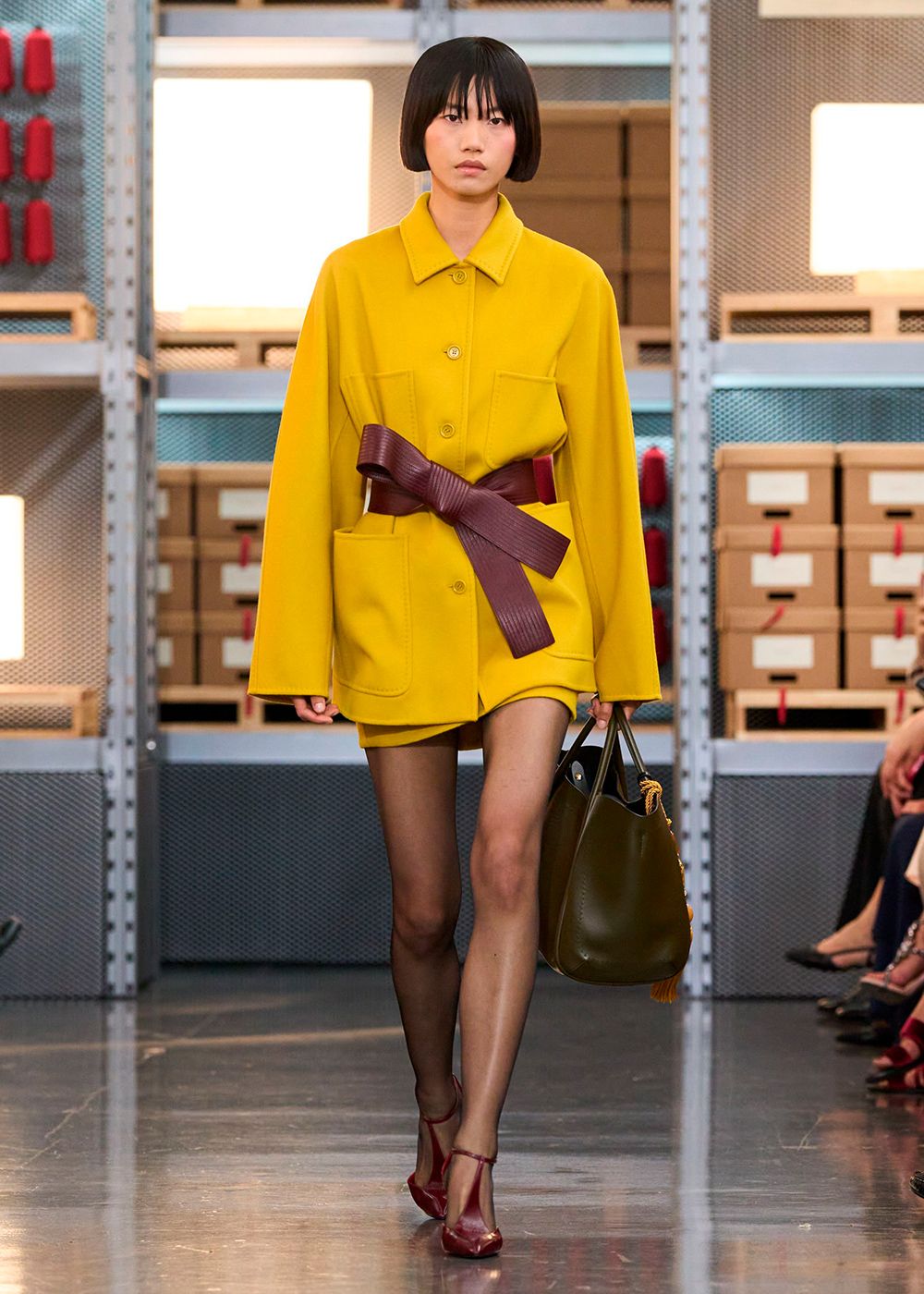
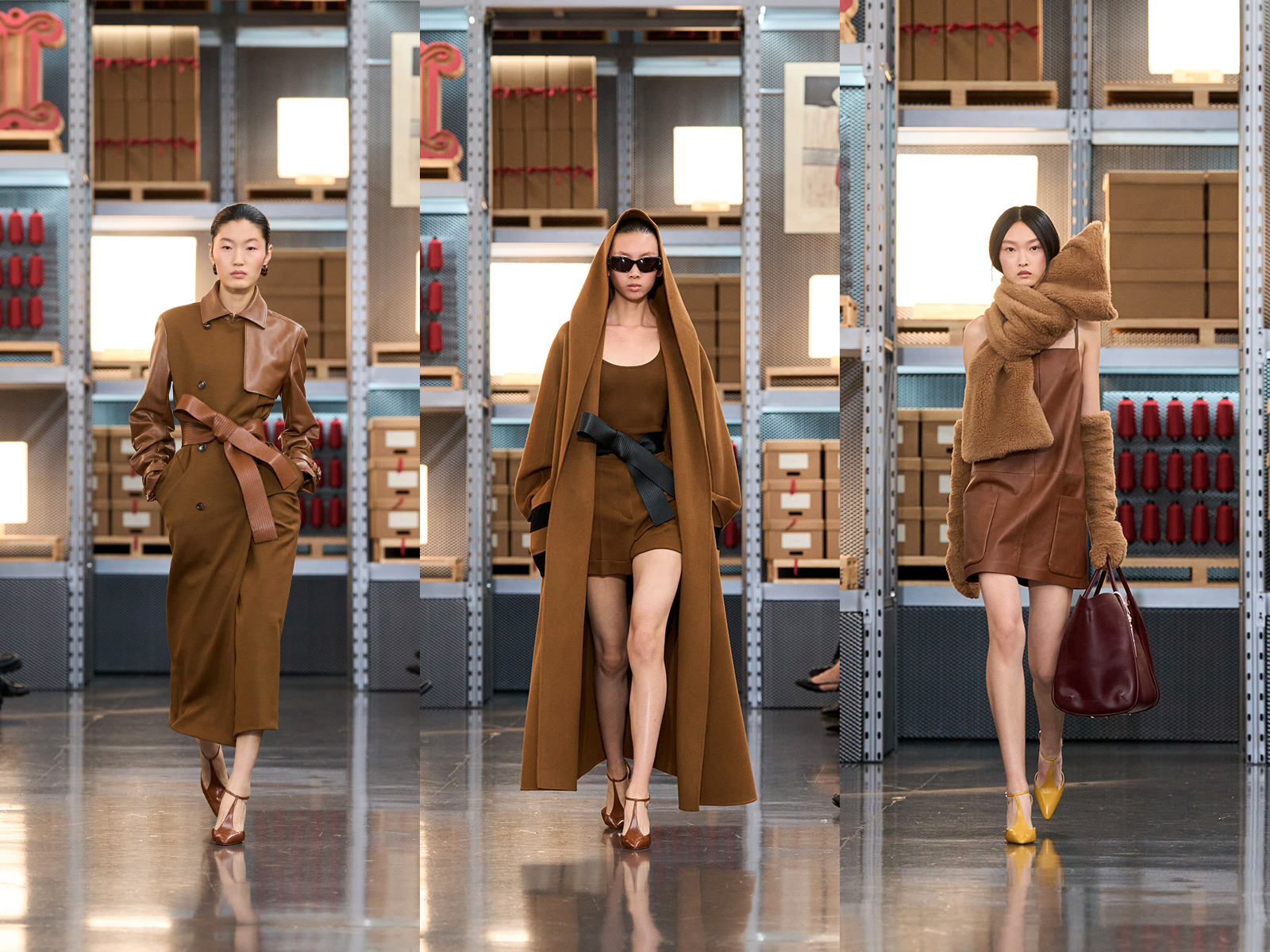
She is polished but not precious. Feminine, certainly, but not necessarily decorative. A bow, just so. A beautiful coat. A skirt that moves. A waist that is there without demanding attention.
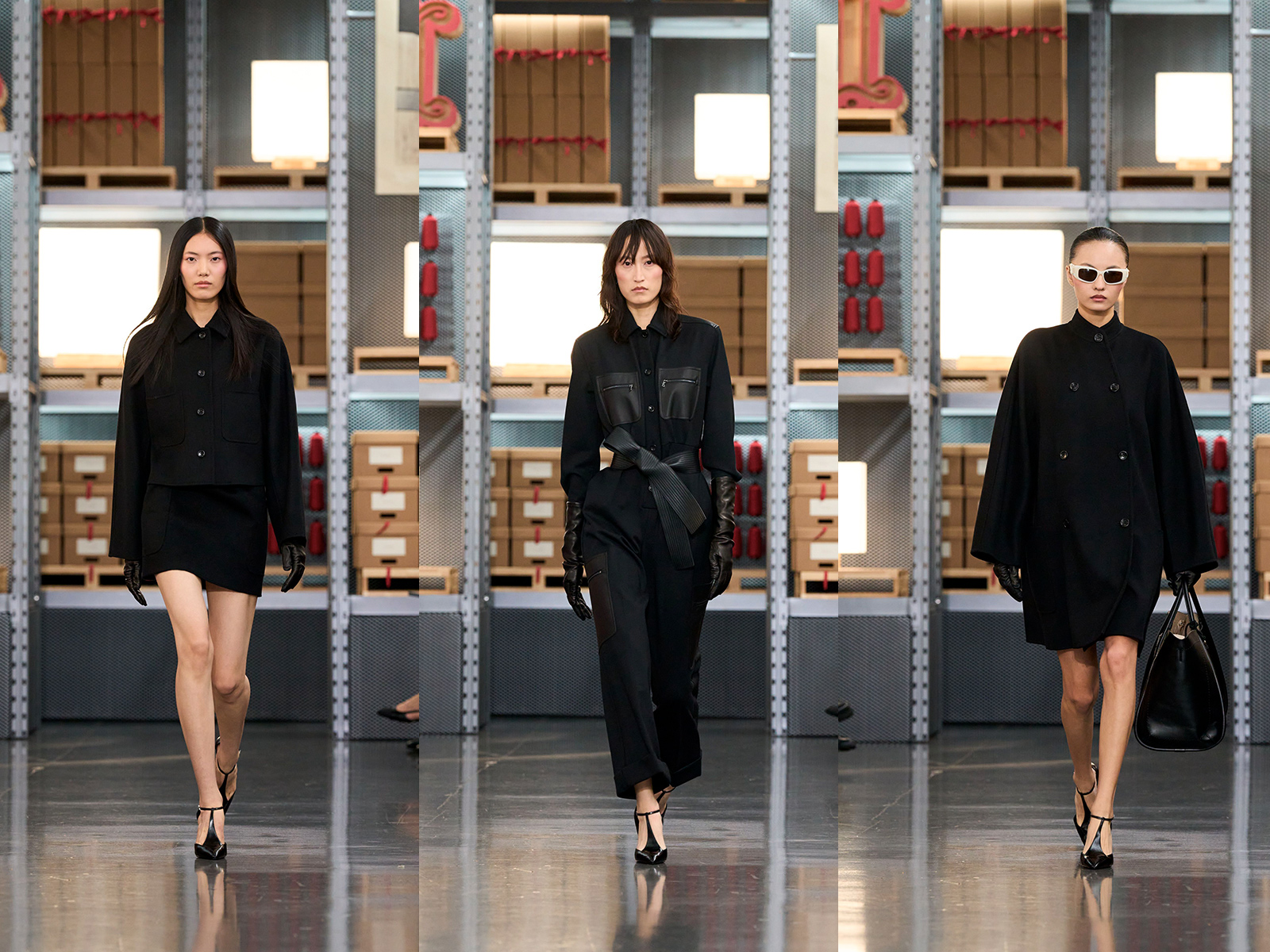
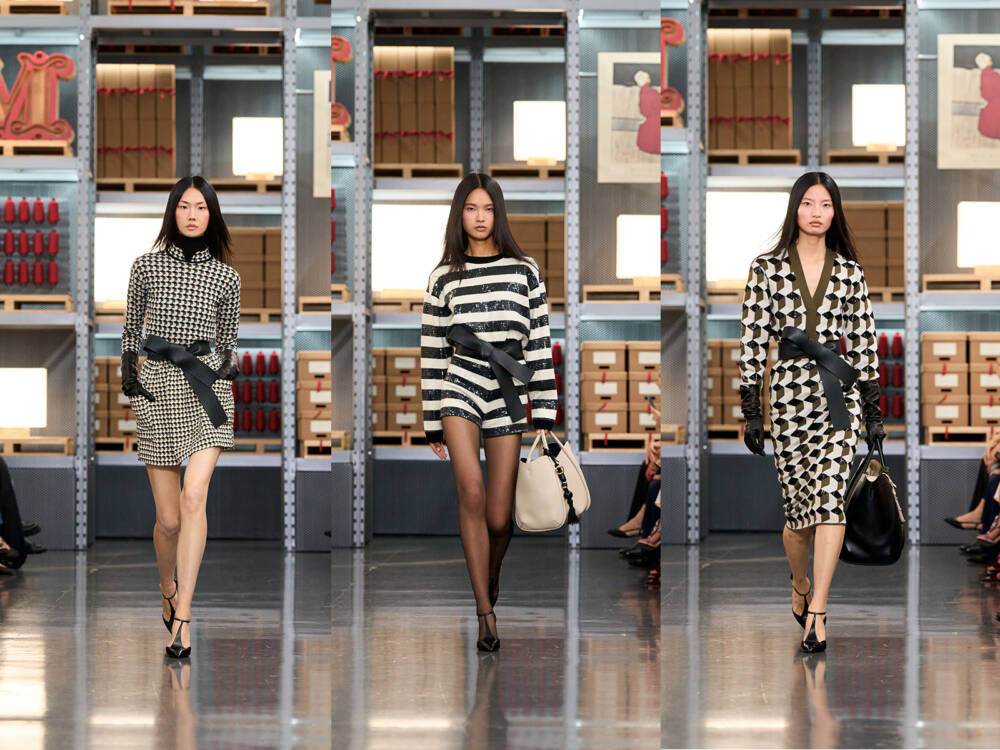
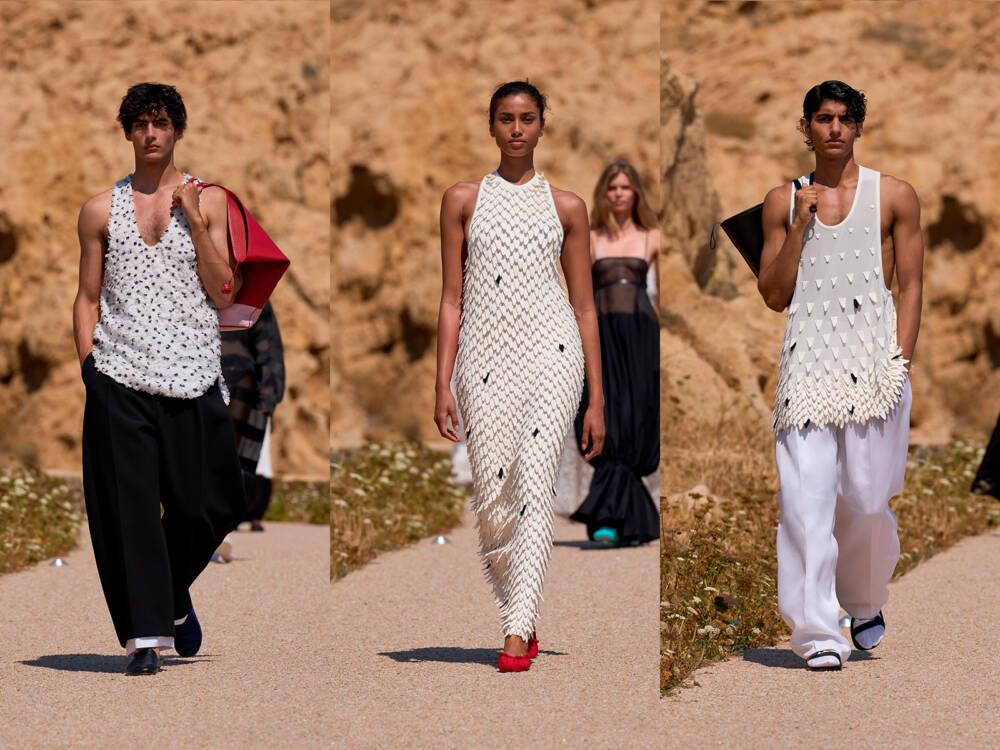
For Resort 2027, presented at Shanghai’s Long Museum to mark the house’s 75th anniversary, creative director Ian Griffiths called the collection “Kinetic Chic.” The title refers to movement, and movement is exactly what the collection is interested in: the rhythms, geometry and restless energy of a city like Shanghai. The runway was presented alongside “The Max!”, an exhibition curated by Olivier Saillard that turned the museum into a living archive of the house’s history.
The collection returns to the Bauhaus with graphic stripes, geometric patterns and sharp, almost architectural shapes. The palette remains unmistakably Max Mara: camel, cognac, khaki, champagne, black, white and the house’s vivid red. There are saturated flashes of colour and unexpected touches of paillettes, sometimes appearing on pieces as simple as a sweater.
The references to Shanghai are similarly restrained. A stretchy merino interpretation of the cheongsam, a quilted silk jacket and crisp poplin shirts with pankou fastenings bring elements of Chinese dress into the Max Mara vocabulary without turning the collection into costume.
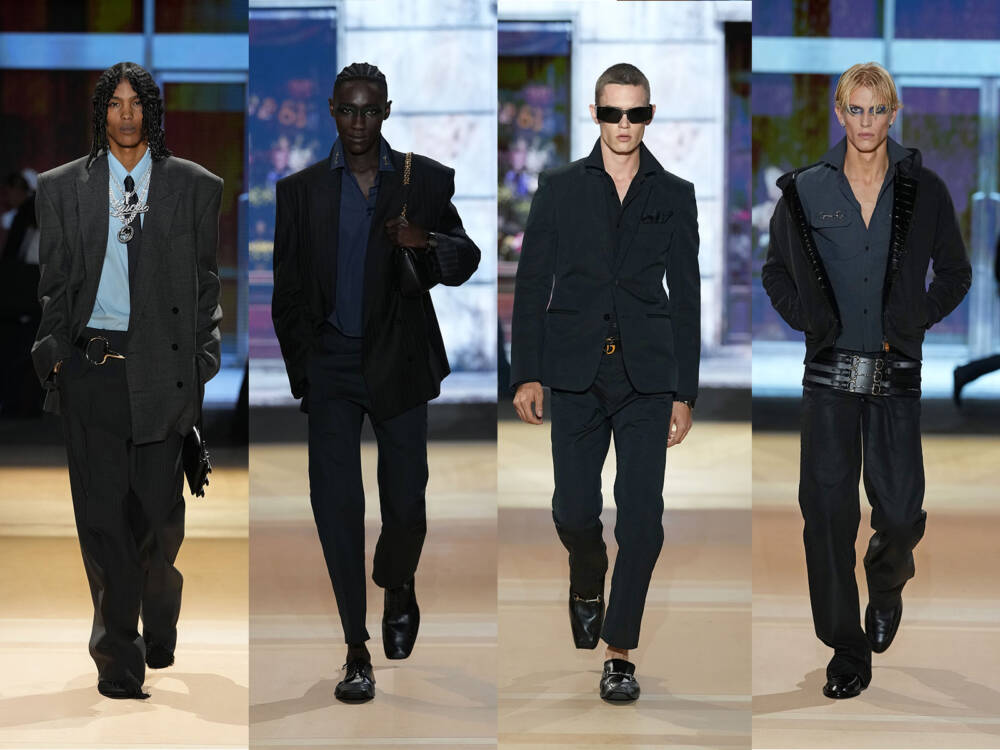
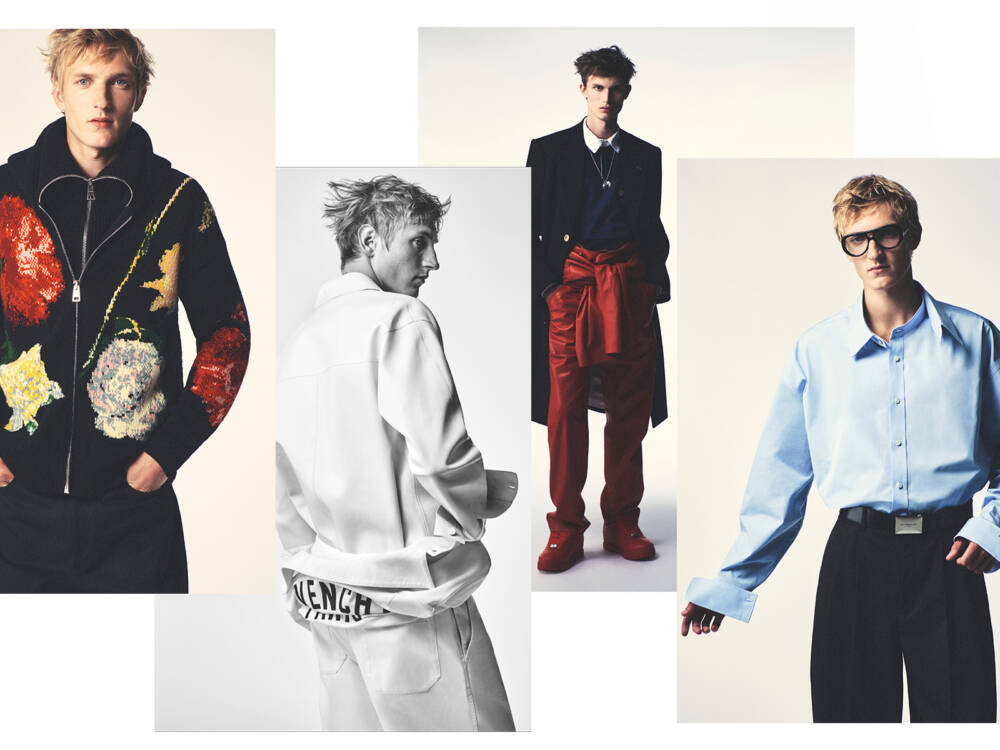
Several male models appeared among the women wearing Max Mara coats, soft tailoring and knitwear. Griffiths has noted that men, particularly in Asia, have increasingly adopted the brand. Historically, women have been the ones borrowing from the masculine wardrobe; here the exchange quietly moves in the opposite direction. There is no need to announce a new menswear line.
But the heart of the collection remains the Max Mara woman.
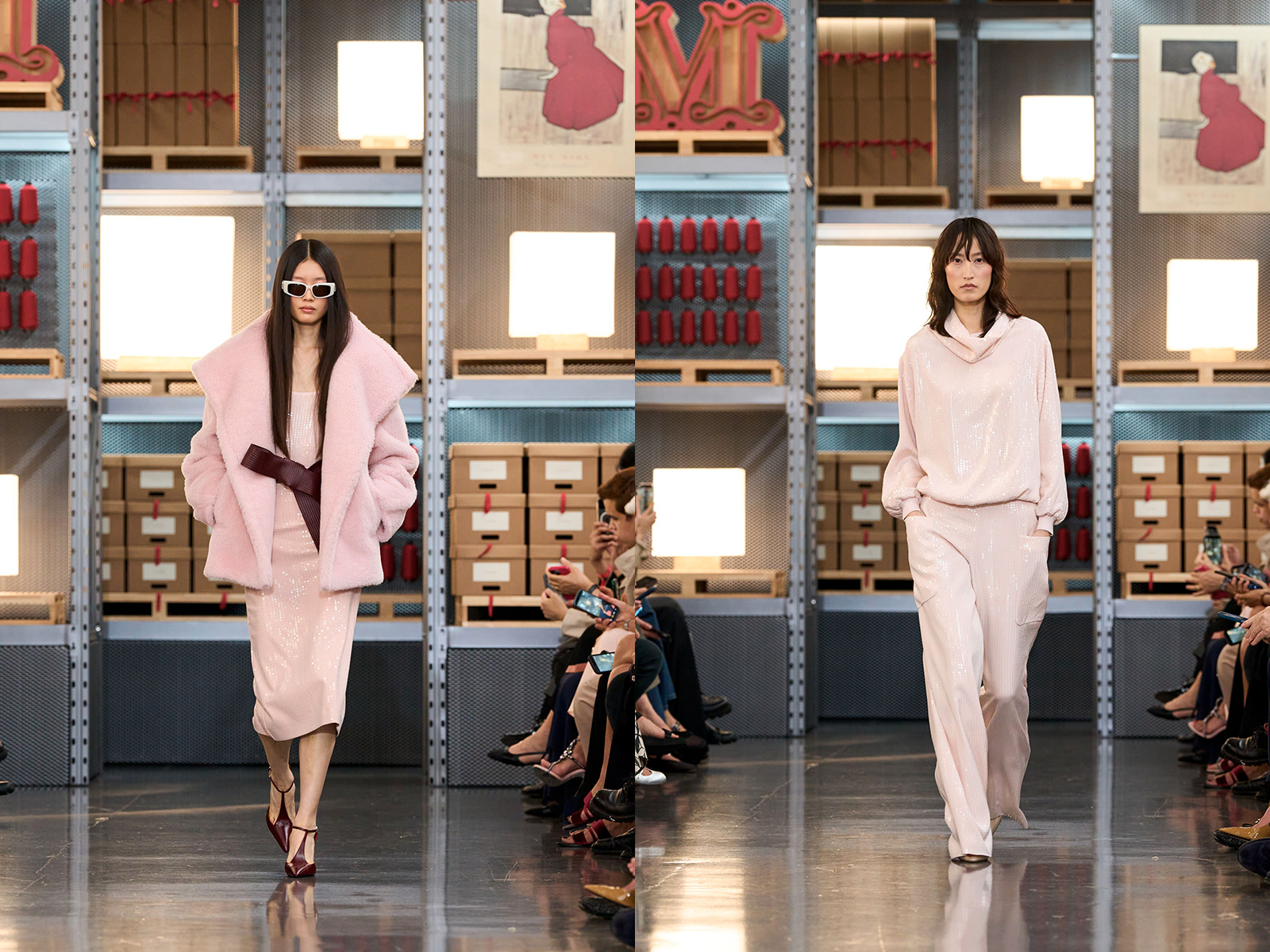
This is not fashion trying to break a boundary for the sake of breaking it. There is no manifesto disguised as a dress. Instead, there is a confidence in the idea that clothes can be beautiful, feminine, useful and desirable without constantly reinventing themselves.
That may be the more difficult achievement.
Fashion is built around the new, but Max Mara has spent seventy-five years making a virtue of continuity. Its great coats return. Its colours return. Its proportions return. The vocabulary changes, but the language remains recognizable.
Perhaps that is what timelessness looks like when a fashion house actually means it: not clothes that exist outside time, but clothes that know how to live in it. Max Mara.