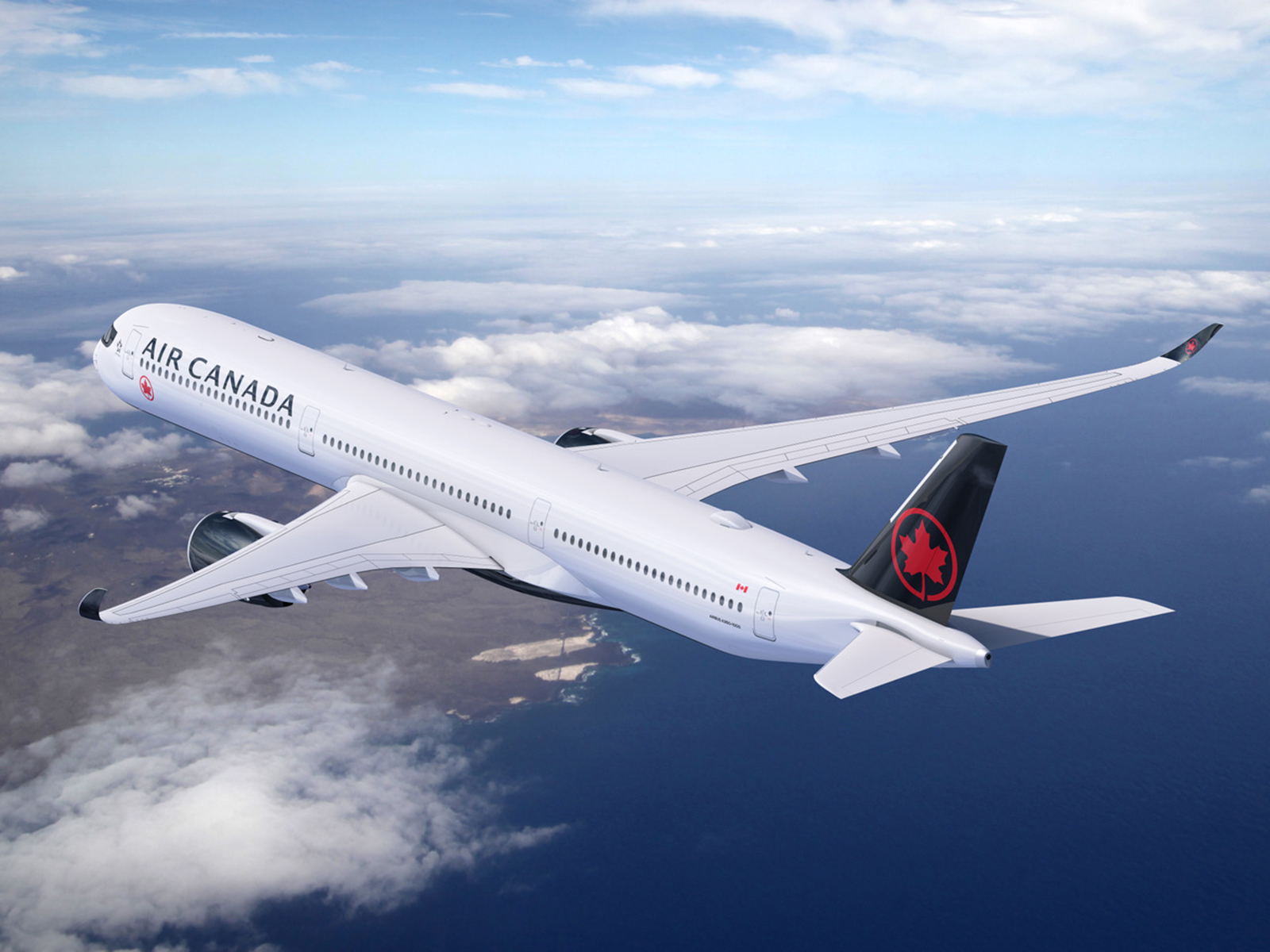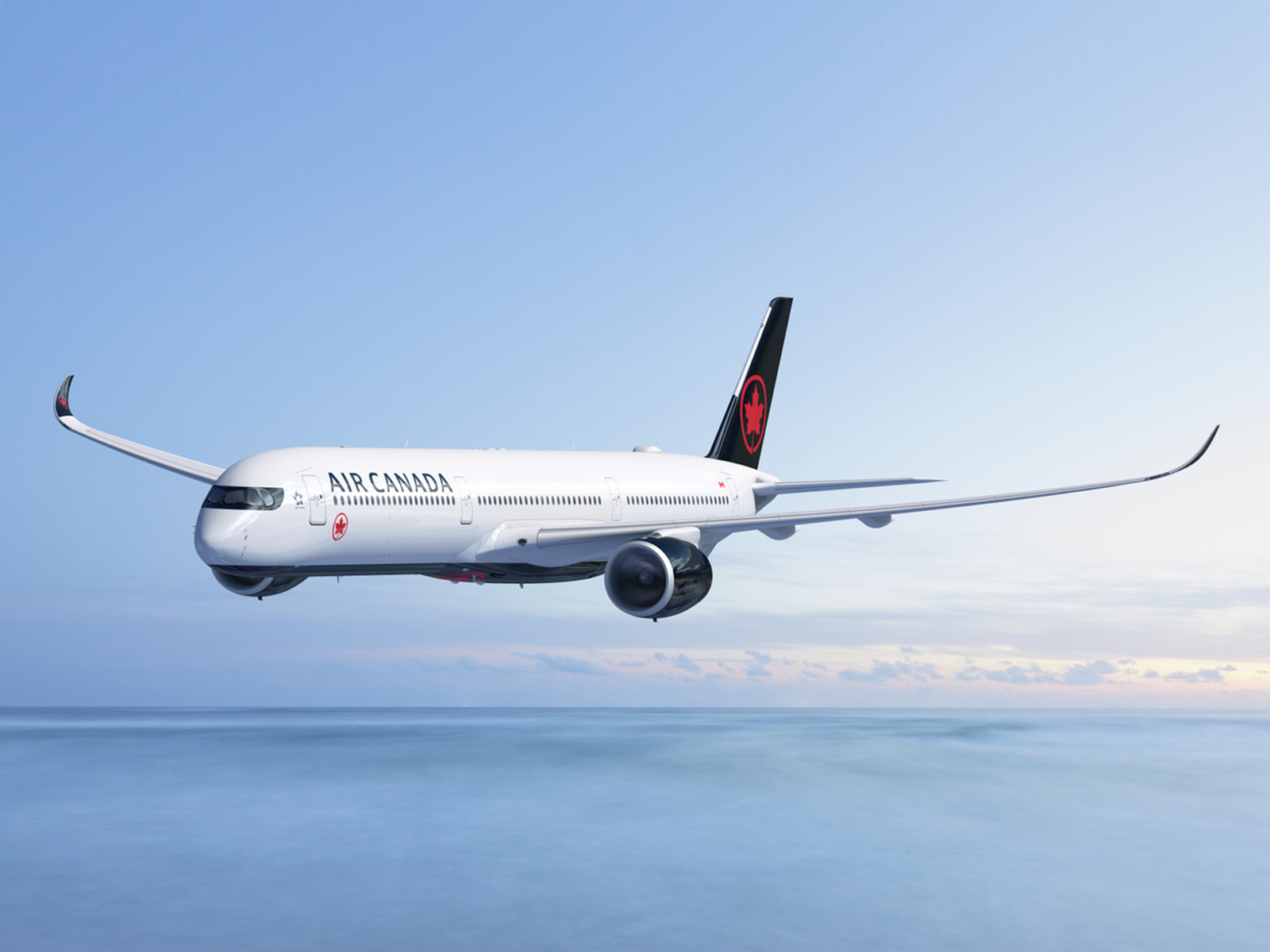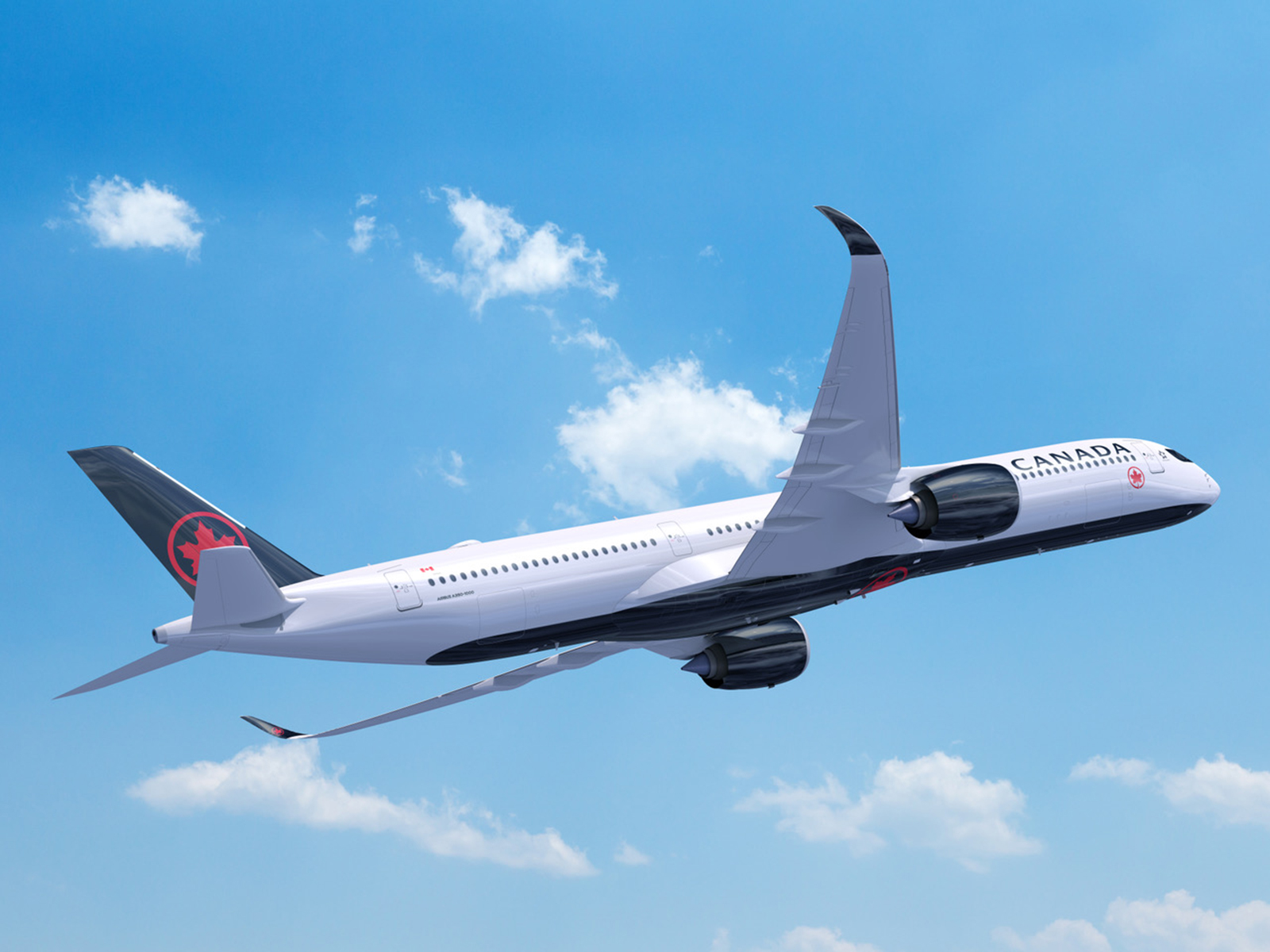

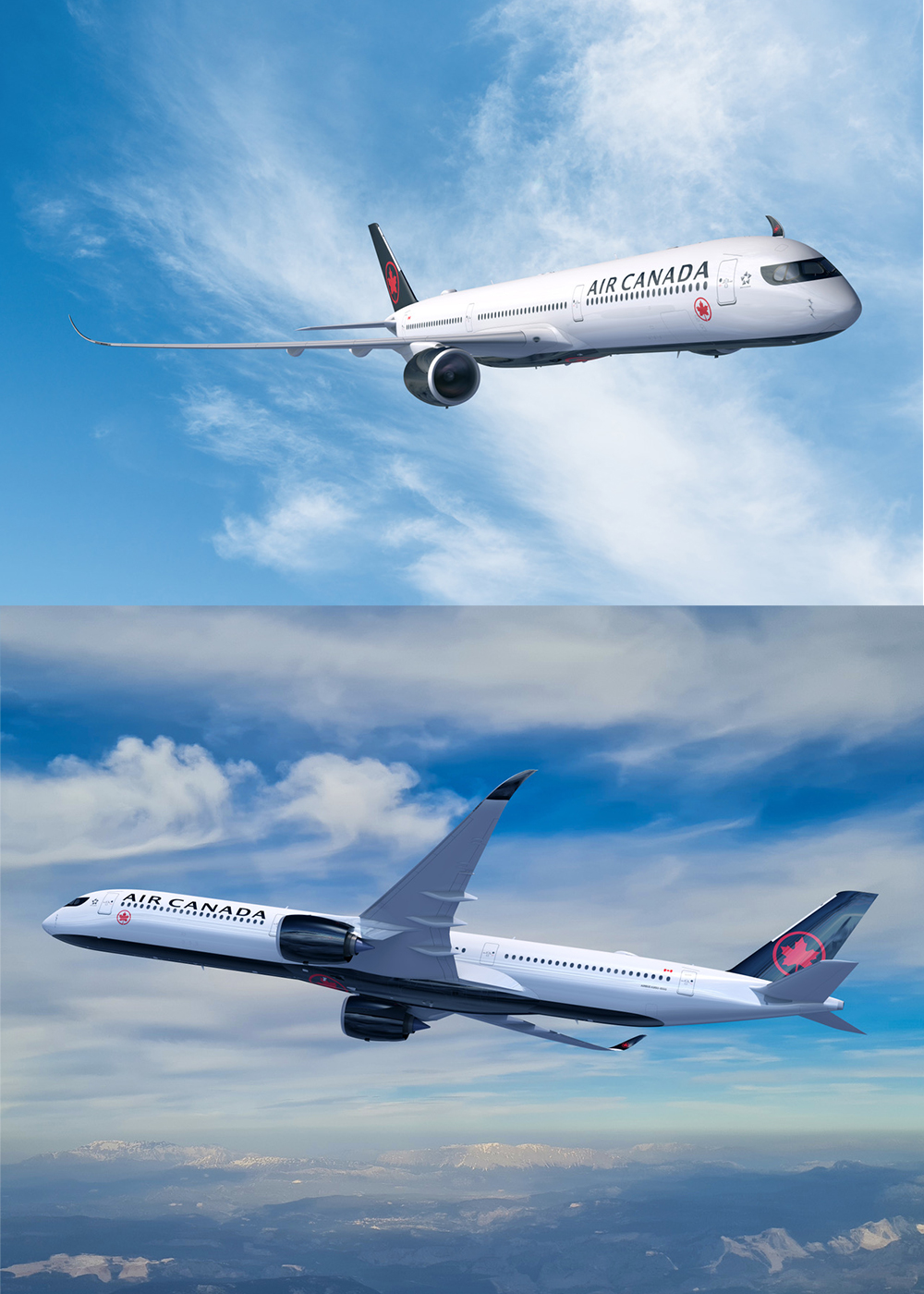
Air Canada is preparing for a defining chapter in its long-haul evolution with the addition of the Airbus A350-1000 to its fleet. The airline has committed to eight aircraft, with rights to acquire eight more, and deliveries are scheduled to begin in the second half of 2030.
“Air Canada’s acquisition of the Airbus A350-1000 will further solidify our position as a leading global airline through the next decade,” said Mark Galardo, Executive Vice President and Chief Commercial Officer, and President of Cargo at Air Canada. “This state-of-the-art aircraft adds a new dimension to our long-haul capabilities, offering impressive range, enhanced payload, and proven economics that unlock new possibilities for our customers. These highly capable aircraft complement our existing fleet, providing flexibility to support a growing, resilient, and diversified future network. The Airbus A350-1000 will play a central role in defining Air Canada’s next era, connecting our customers, our hubs, and our country to the world.”
The Airbus A350-1000 represents a forward-looking investment in both performance and efficiency. Designed with advanced composite materials and powered by next-generation engines, the aircraft delivers meaningful improvements in fuel burn compared to the models it will replace. For Air Canada, that translates into lower operating costs, improved environmental performance, and greater network flexibility.
“The addition of the Airbus A350-1000 to our fleet strengthens our long-term cost efficiency,” said John Di Bert, Executive Vice President and Chief Financial Officer at Air Canada. “These aircraft will deliver improved operating economics, enhance operational reliability, and ensure we remain competitive across our global network. This order marks another important step in the modernization of our fleet and aligns with our disciplined capital allocation priorities, including our target to maintain capital investments at or below 12 percent of revenues.”
As global travel patterns continue to evolve, the A350-1000 offers Air Canada the range and capacity to serve new long-haul destinations while reinforcing key international routes. With its quieter cabin, advanced aerodynamics, and refined passenger experience, the aircraft is positioned not simply as a fleet addition, but as a strategic statement about where the airline intends to fly—and how.