
Luxury has always reflected the aspirations of its time.
Some eras favored ornament, others restraint. More recently, luxury found confidence in understatement—beautiful materials, impeccable tailoring, and an elegance that rarely asked for attention. Yet every so often, a collection arrives that doesn’t reject what came before, but quietly suggests the conversation has begun to change.
Matières Fécales Fall 2026 is one of those moments.
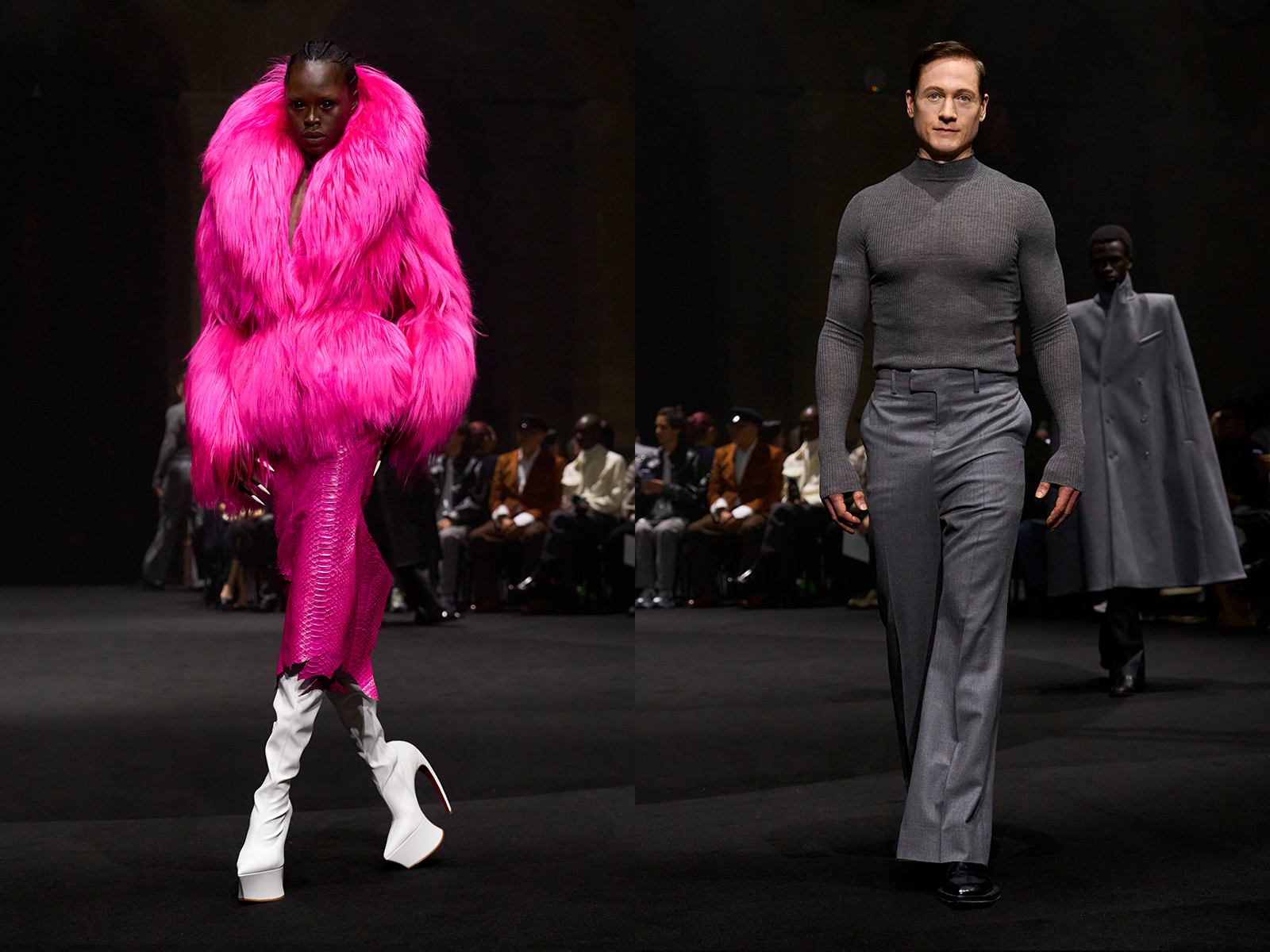
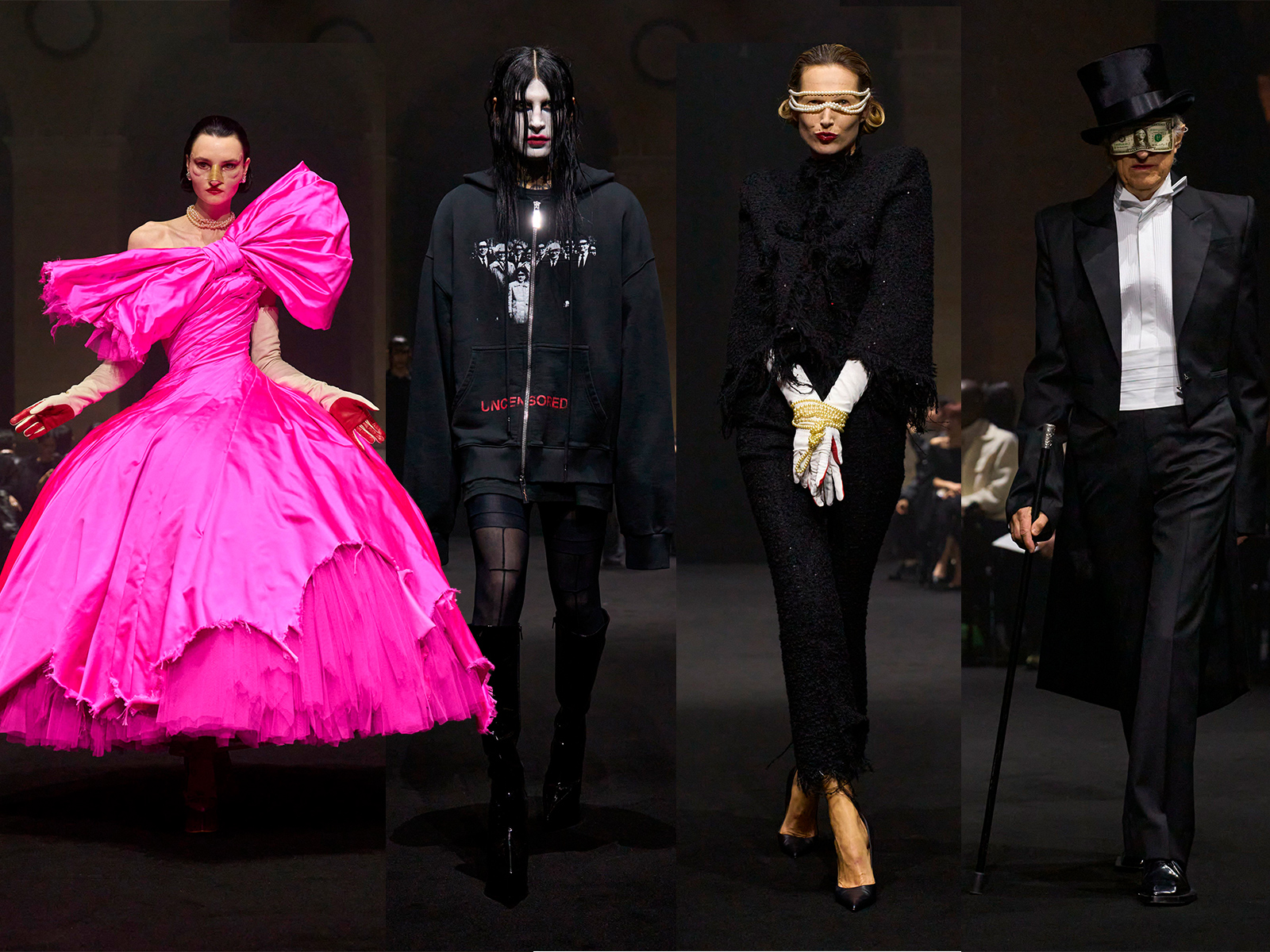
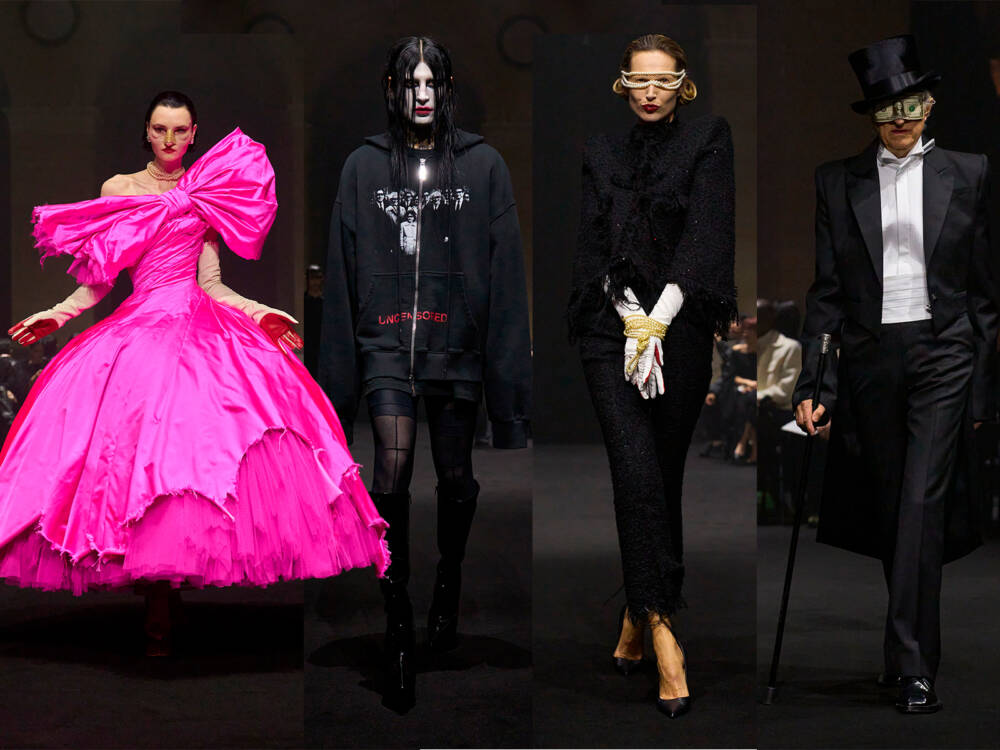
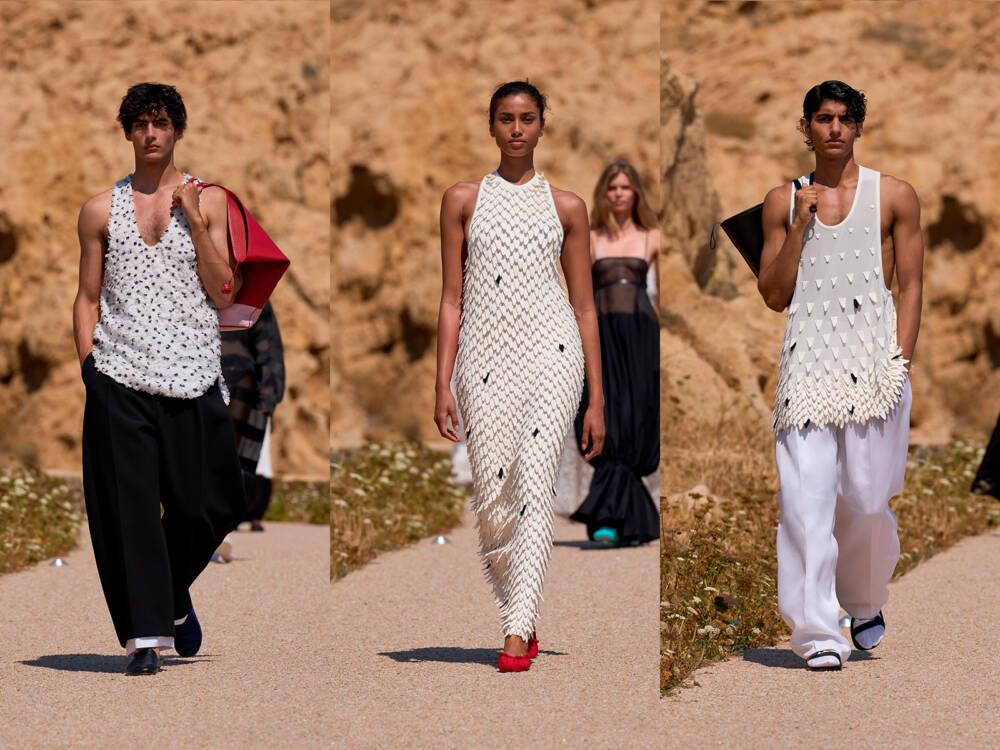
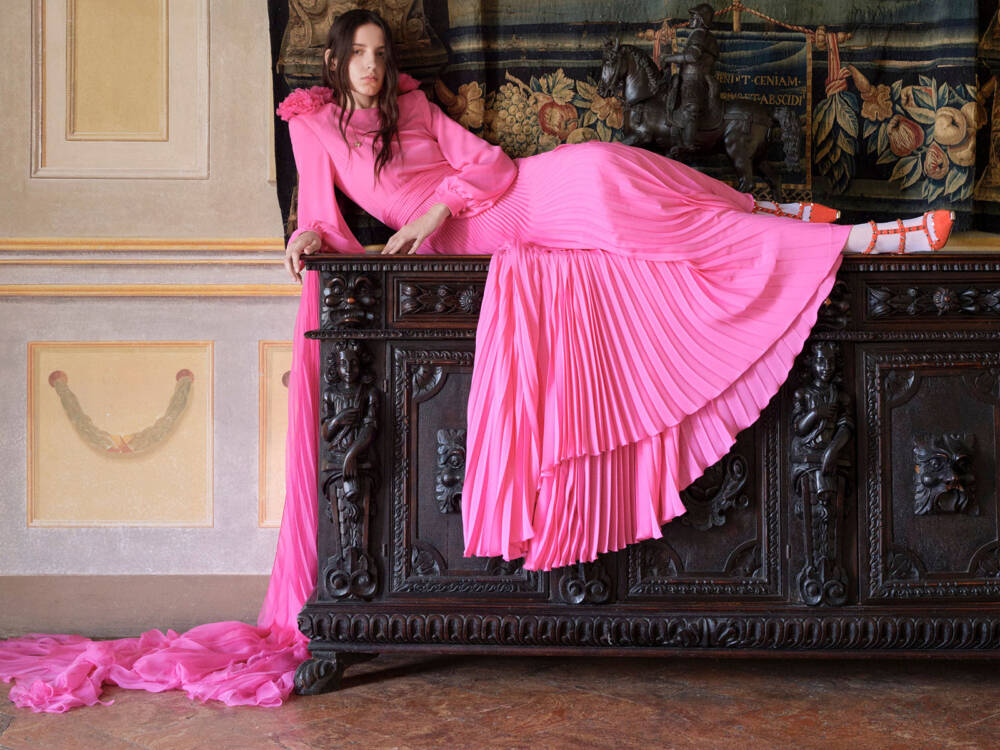
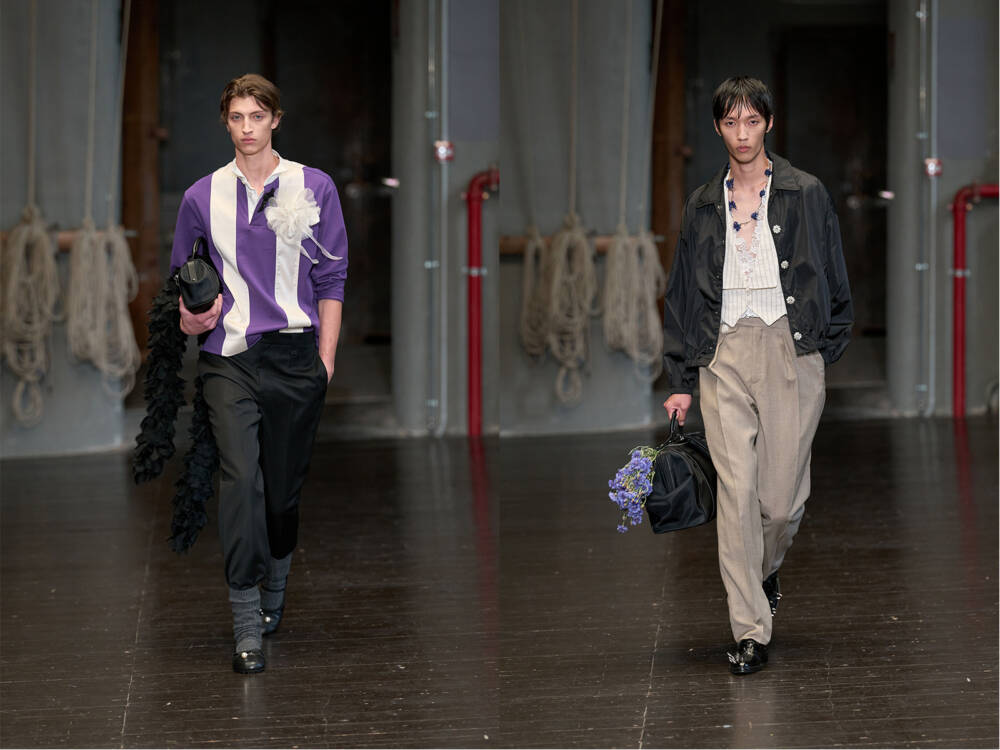
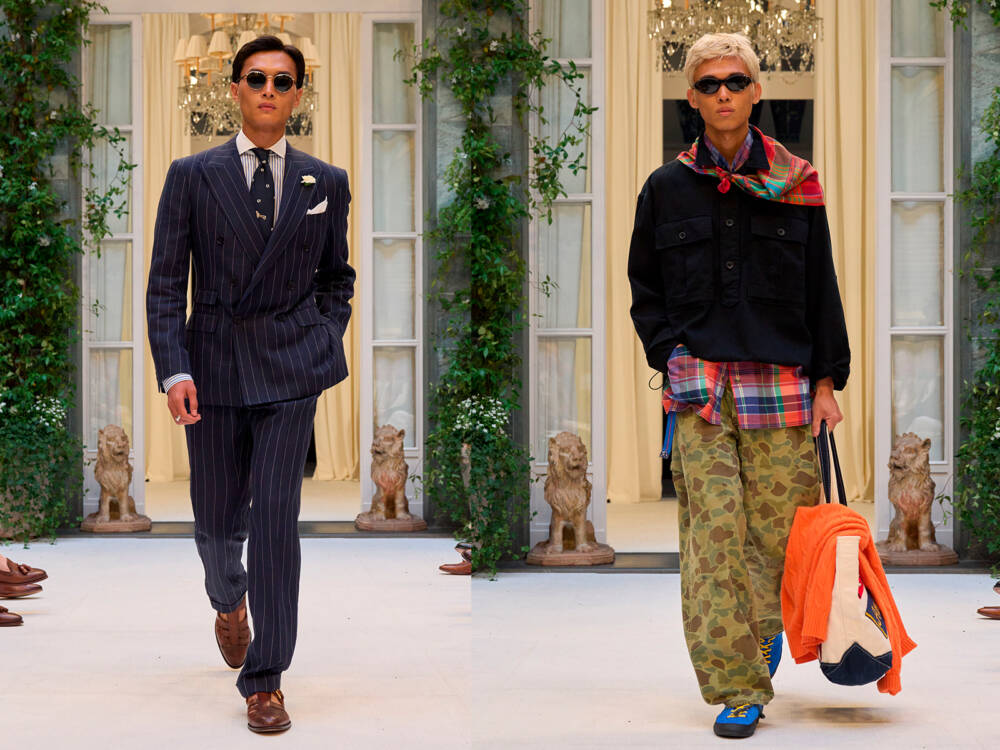
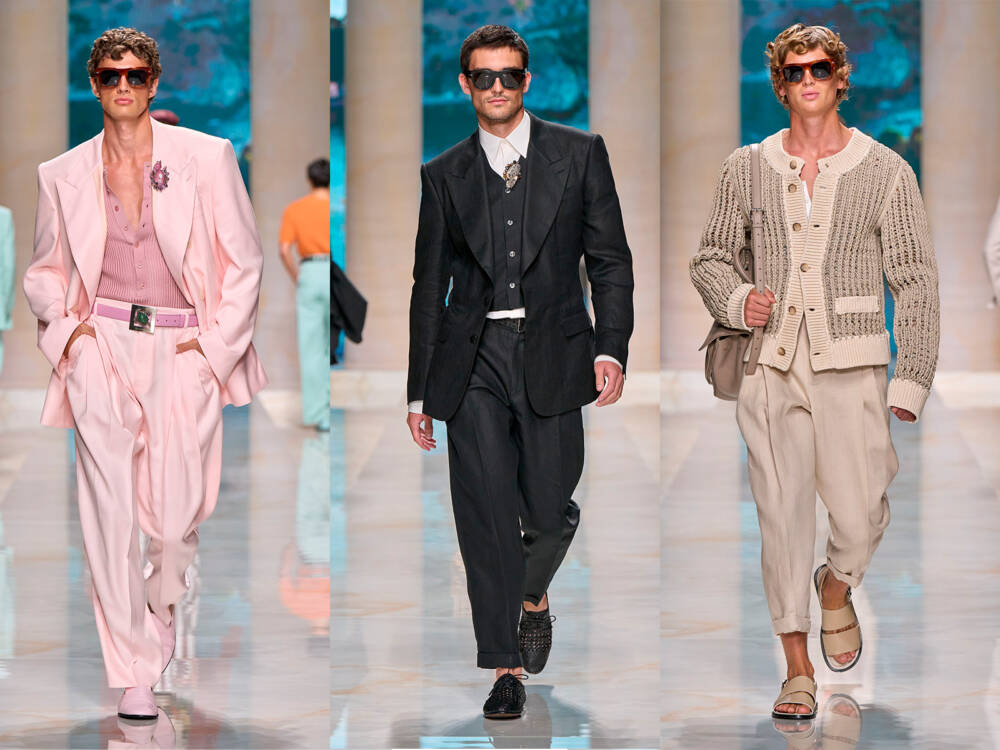
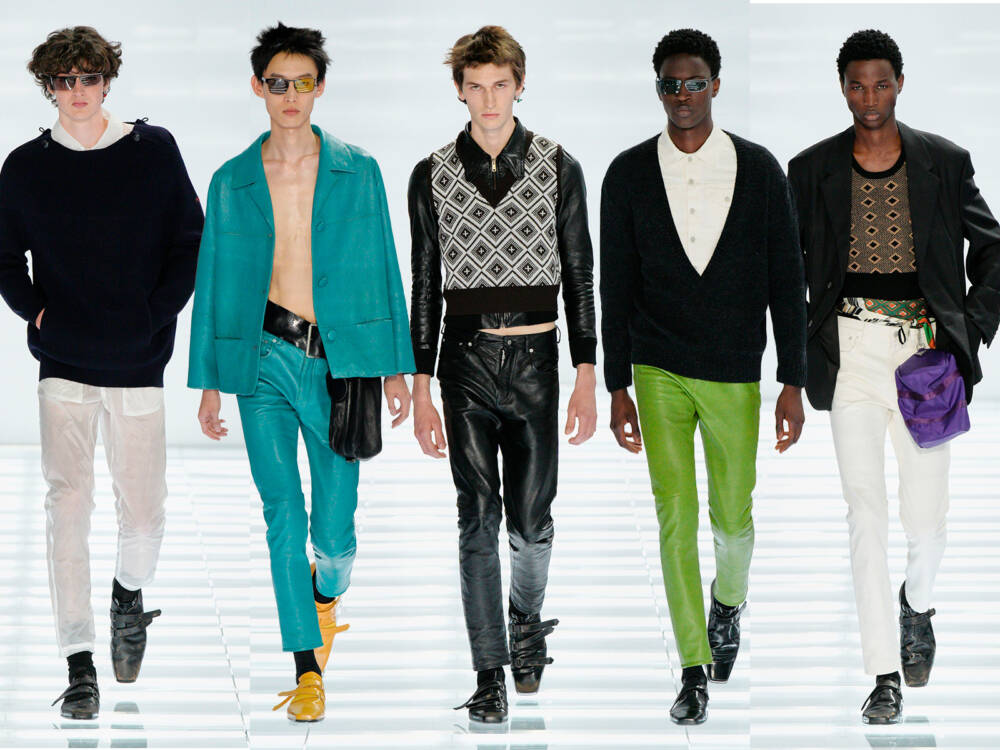
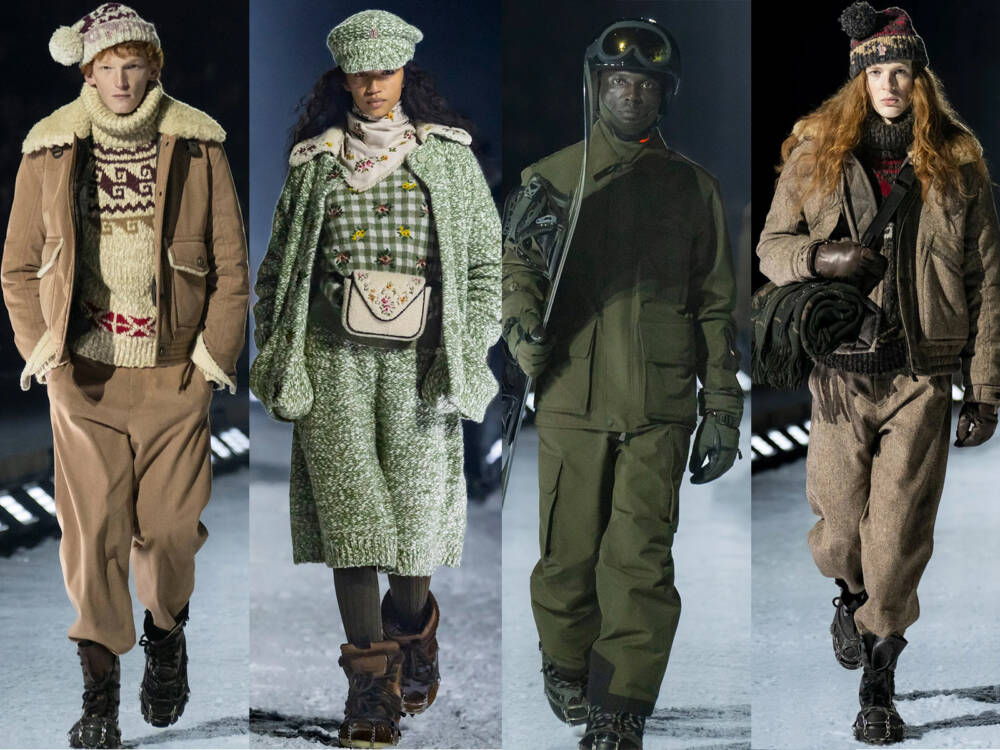
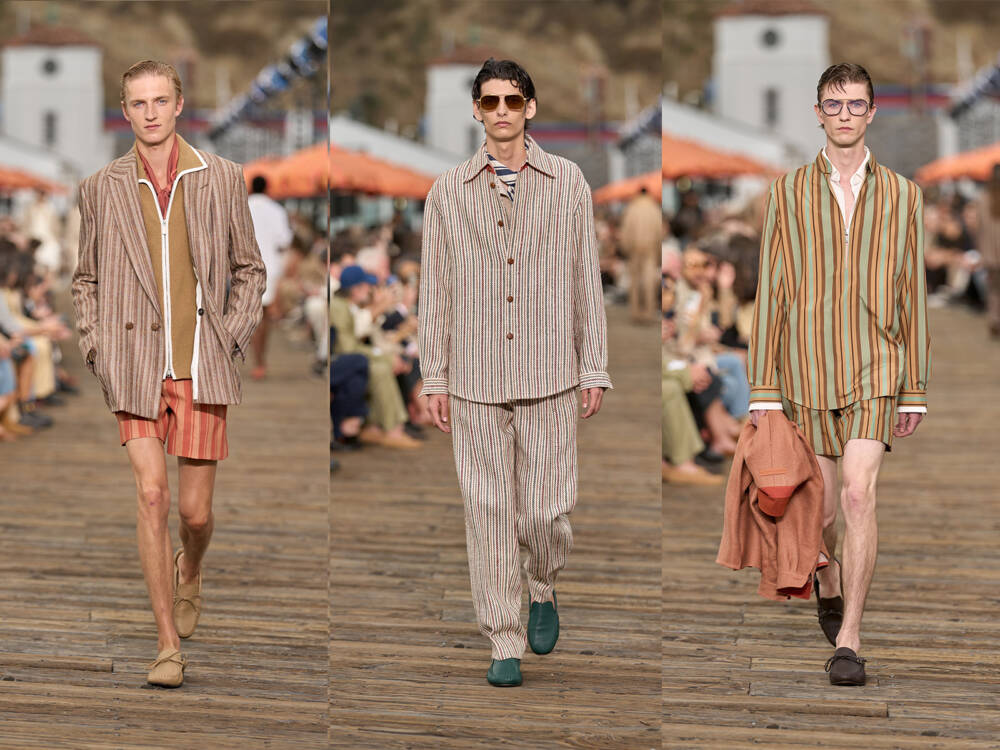
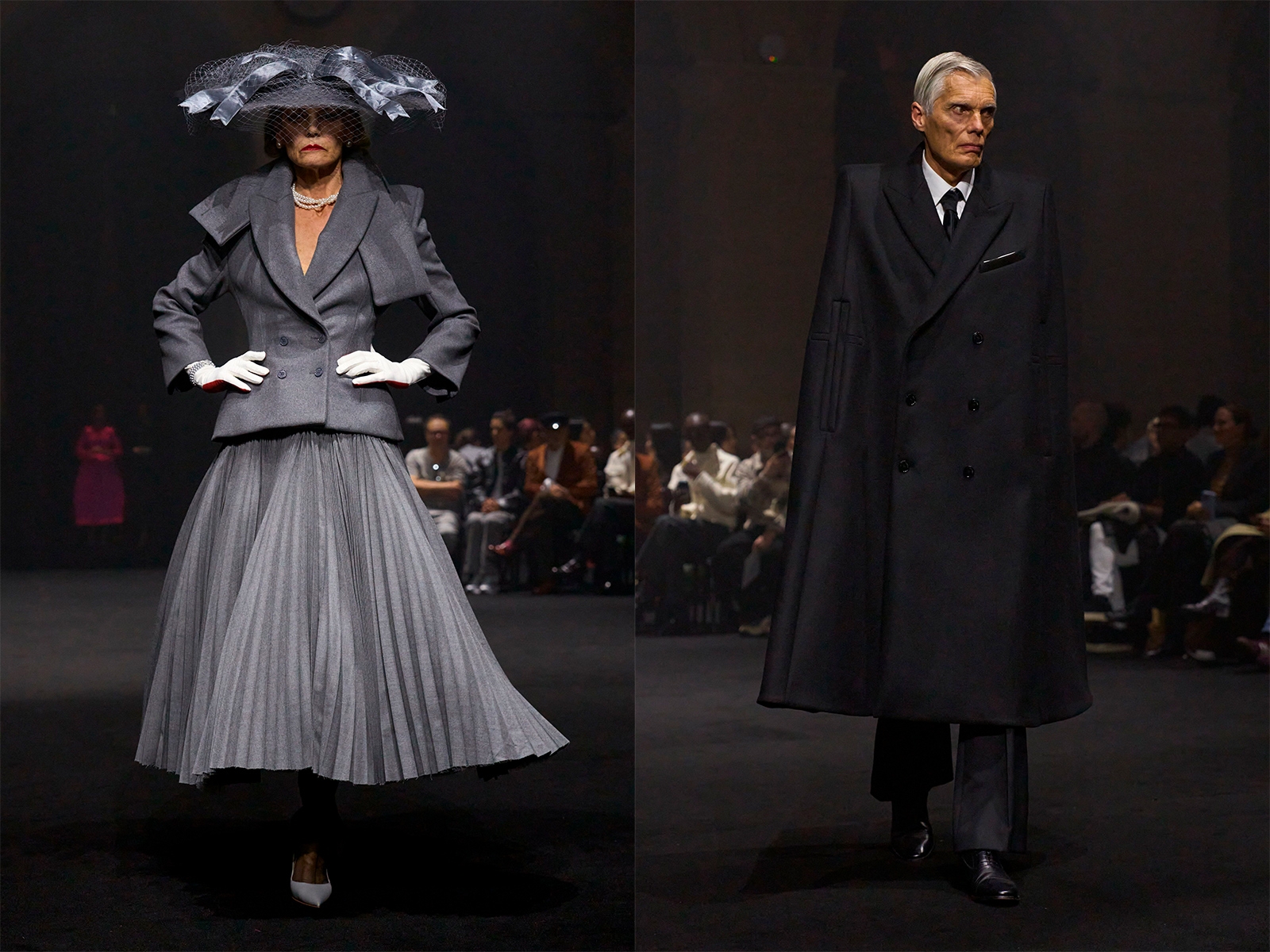
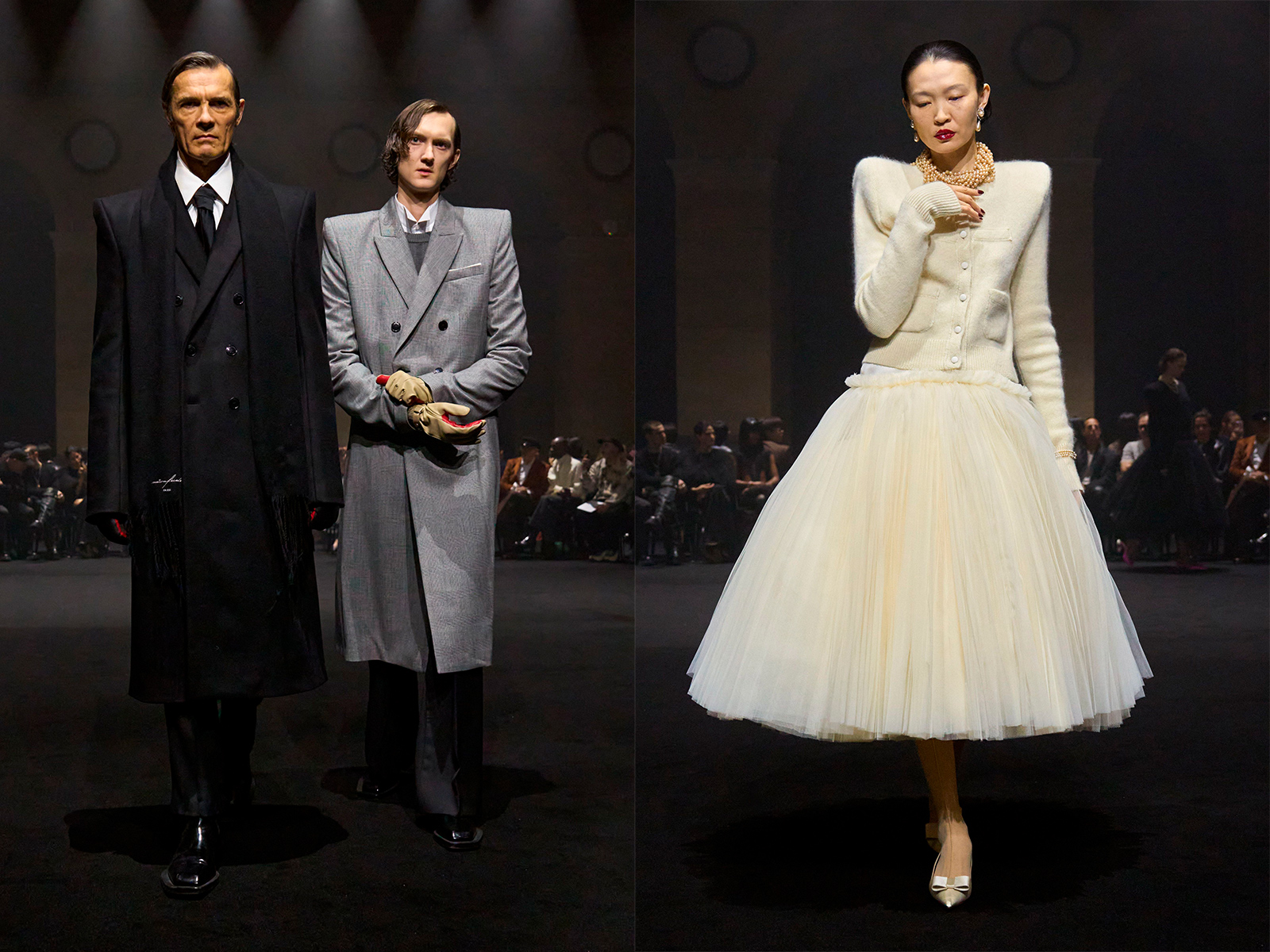
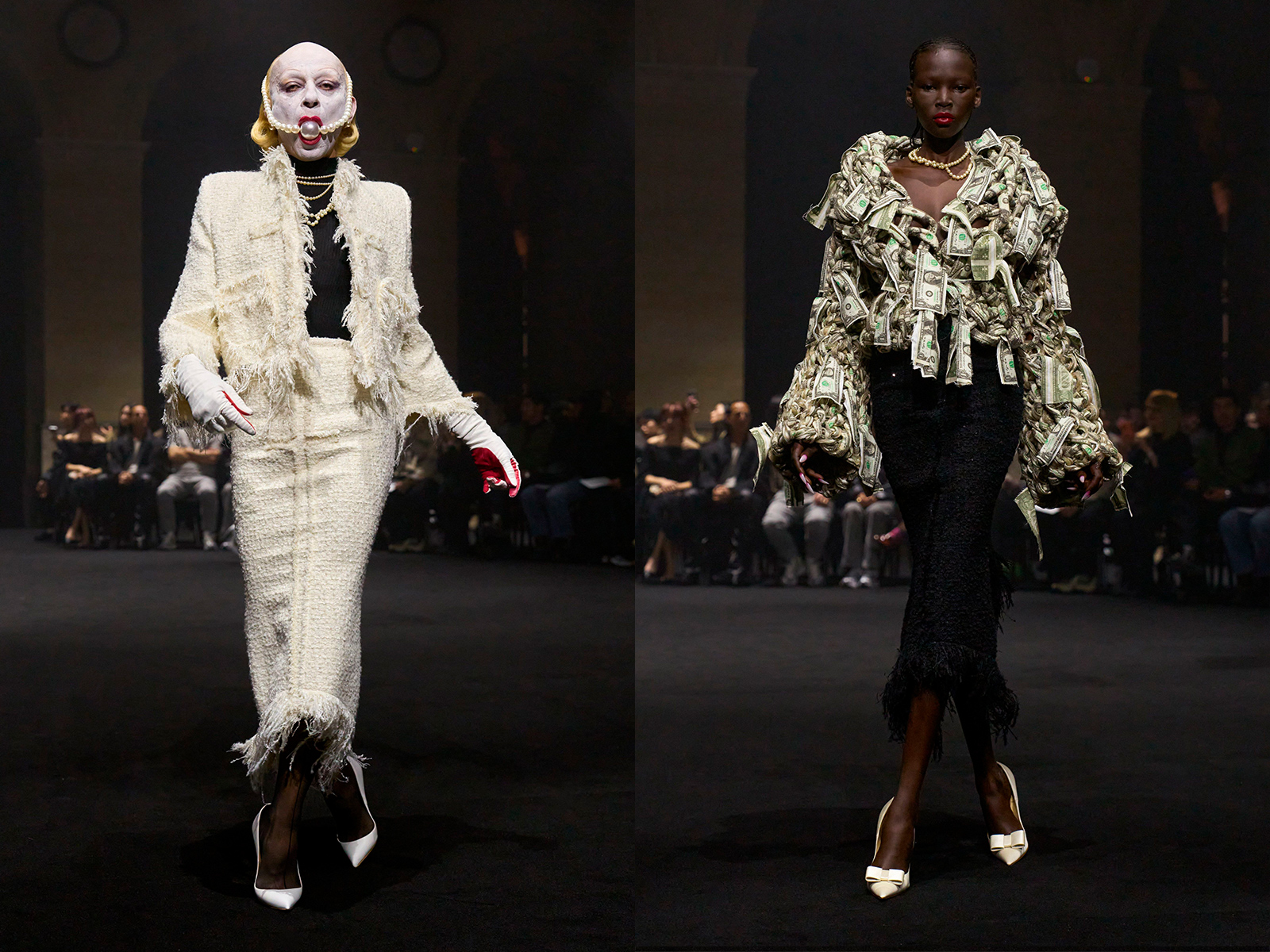
The collection reconstructs fashion’s most enduring archetypes. Each arrives carrying its own cultural memory—symbols of authority, labor, ceremony, rebellion, or elegance—before being transformed into something unmistakably contemporary.
The result is a collection less interested in creating individual outfits than in constructing unforgettable identities.
That distinction may say as much about luxury today as the clothes themselves.
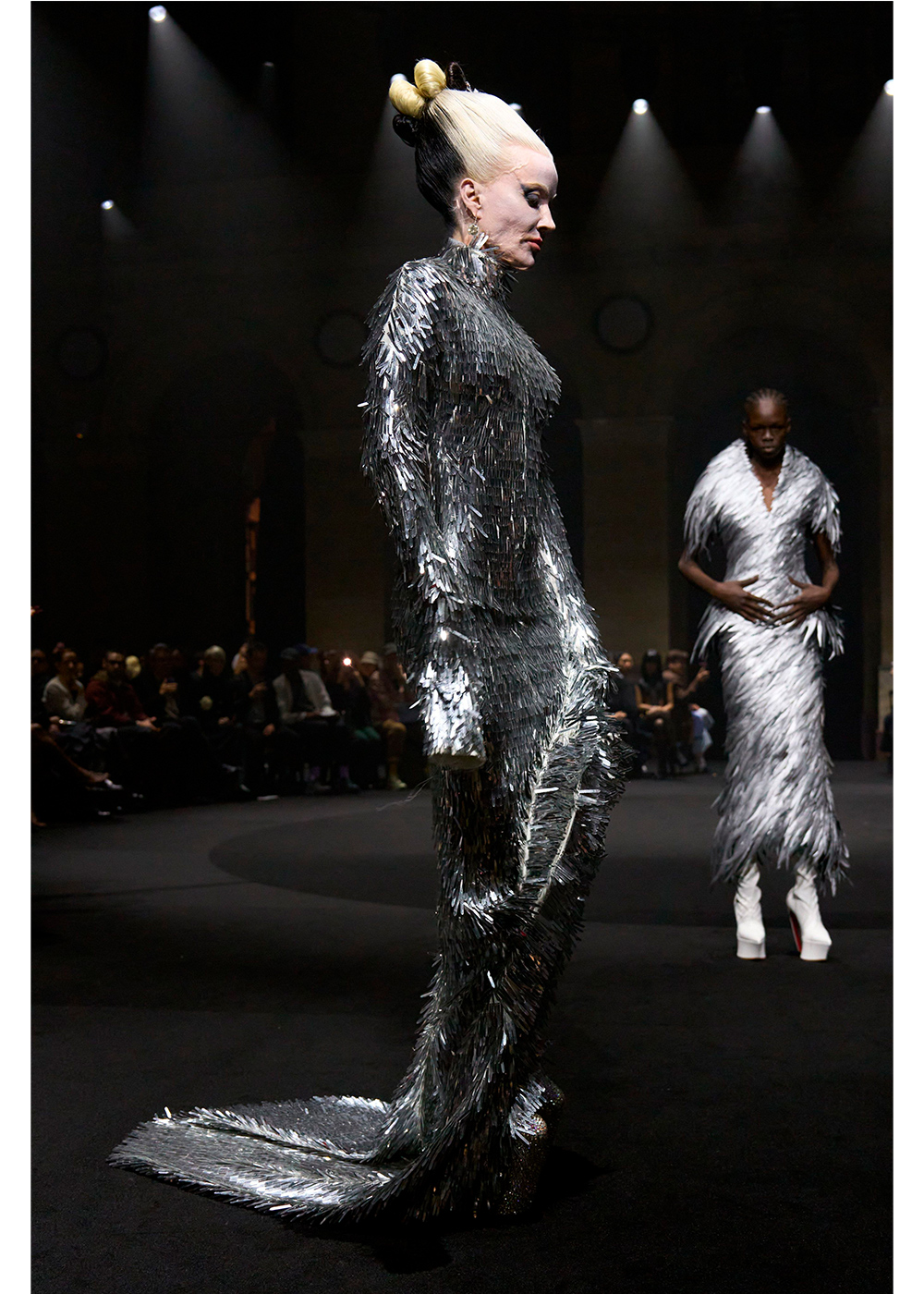
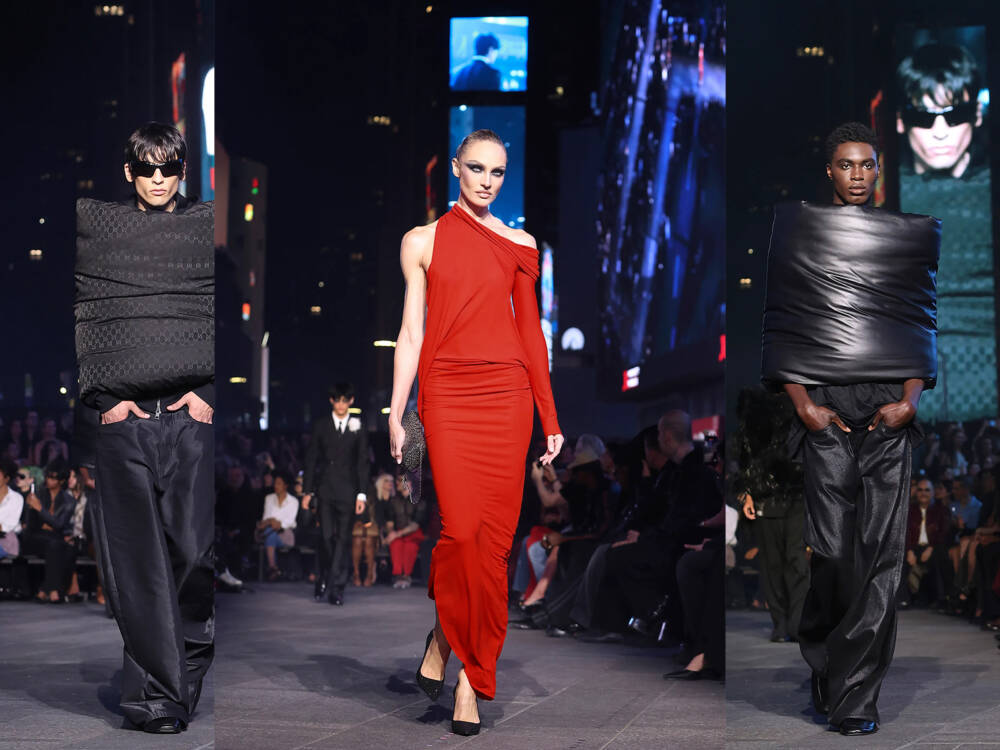
Throughout the collection, silhouettes become architecture. Shoulders broaden into sculptural forms. Tailoring stretches familiar proportions toward the ceremonial. Metallic embellishments catch light not as decoration, but as punctuation. These are clothes designed not to blend into a room, but to redefine it.
They refuse anonymity.
What makes the collection compelling is not its willingness to reference history, but the way it edits history into a contemporary visual language. Rather than recreating specific decades, Matières Fécales reimagines enduring symbols of power, elegance, labor, and rebellion. The designers are not simply borrowing silhouettes.
They are borrowing meaning.
It is tempting to describe the collection as avant-garde, gothic, punk, or futuristic. Each label captures a fragment of what is happening.
None fully explains it.
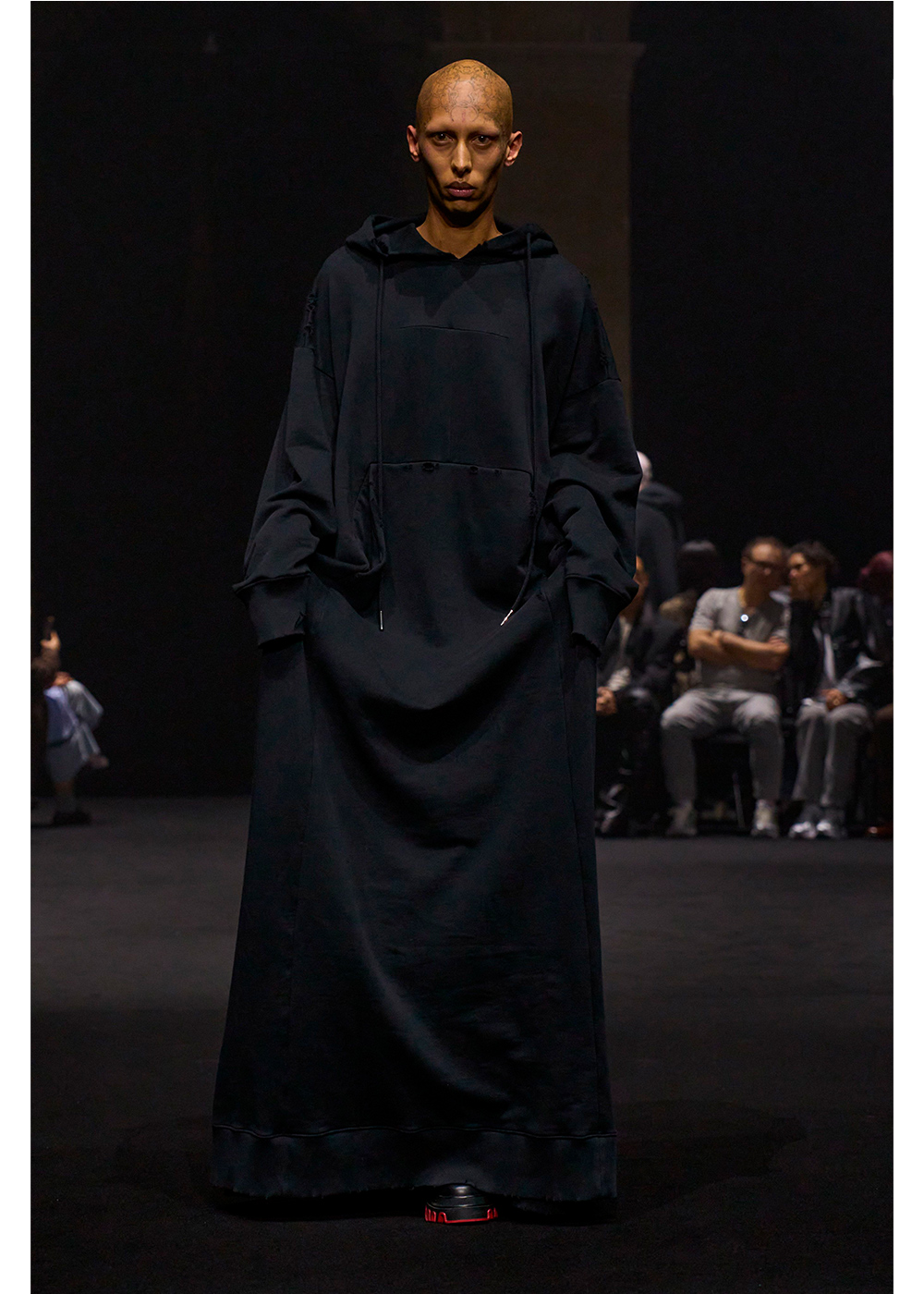
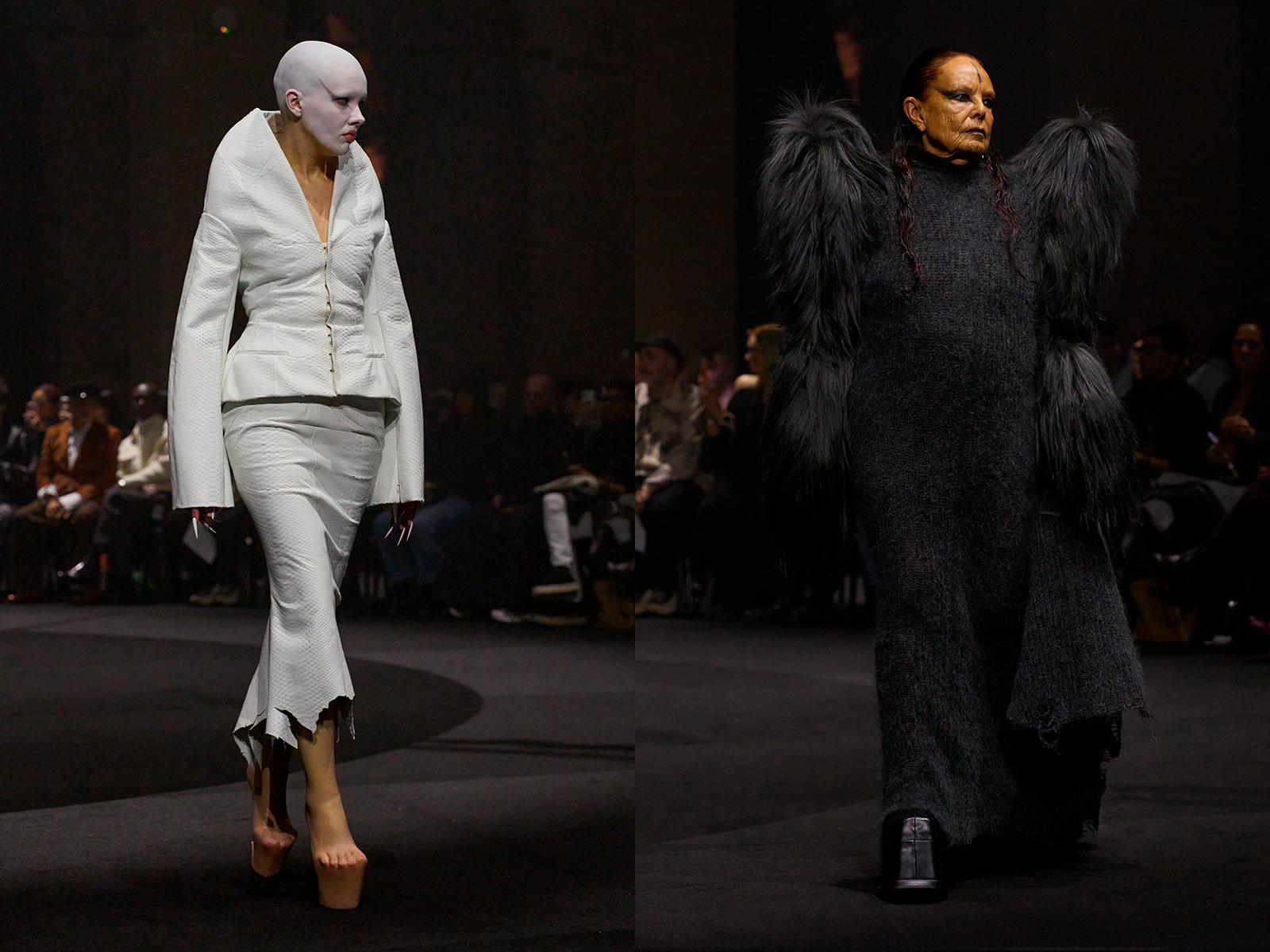
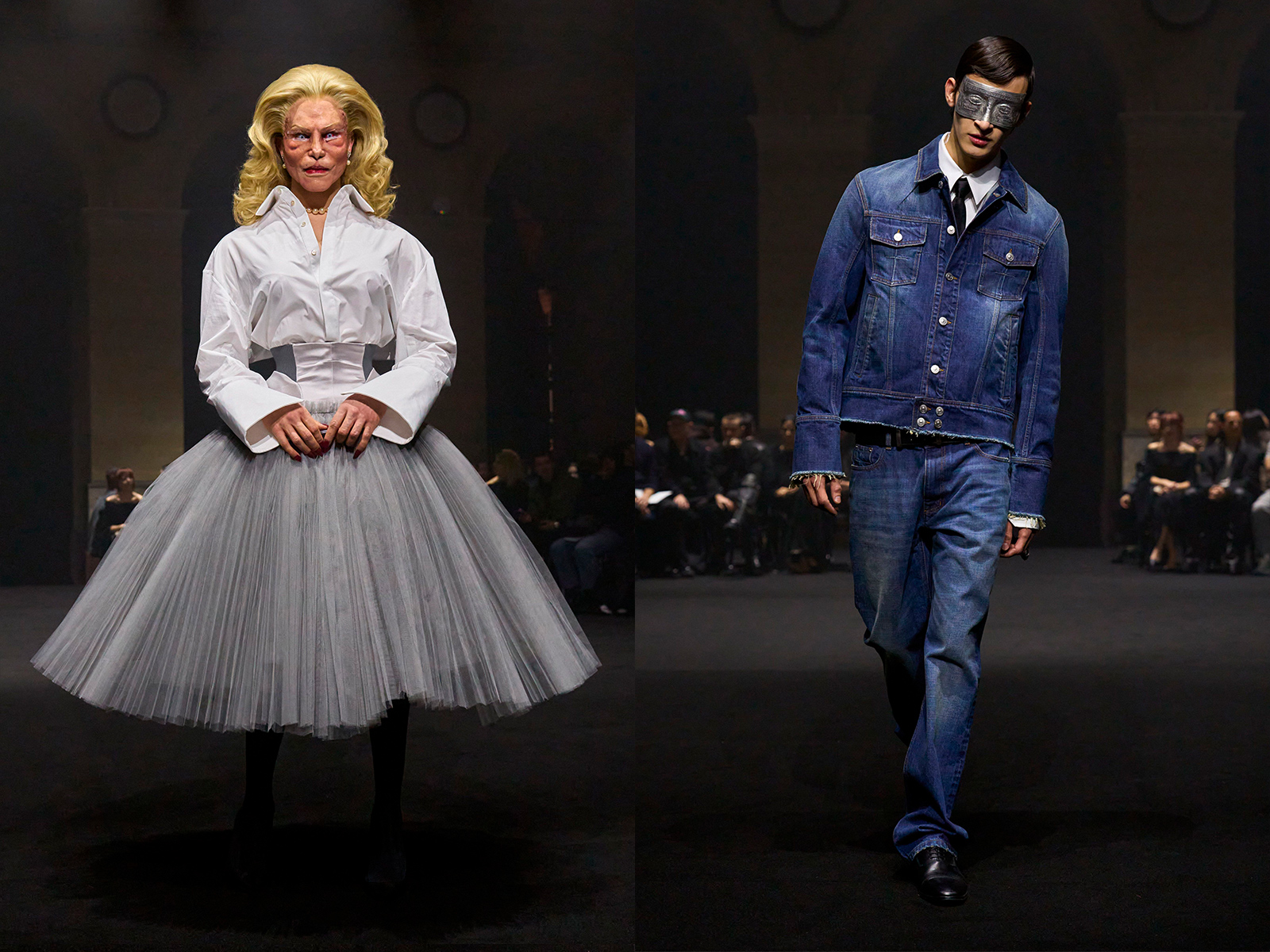
The figures moving down the runway seem less concerned with belonging to a subculture than with embodying a role. Some feel ceremonial, others regal. A few borrow the confidence of Old Hollywood, while others draw from streetwear or couture precision.
Together they become something larger than the sum of their references.
They become presences.
That may explain why houses like Matières Fécales are attracting attention well beyond the runway. The presence of Michelle Lamy and Daphne Guinness speaks less to celebrity endorsement than to cultural recognition. Both have long gravitated toward designers who challenge accepted notions of beauty while demonstrating uncompromising craftsmanship.
The collection is undeniably theatrical, yet beneath the performance lies extraordinary discipline. Every exaggerated proportion feels resolved. Every embellishment has purpose.
The spectacle exists in service of design.
Rather than announcing a new era, Matières Fécales suggests an emerging language of luxury—one where recognizability, authorship, and imagination carry as much value as rarity or restraint.
Whether these silhouettes influence the seasons ahead is almost beside the point.
Their greater contribution may be reminding us that the rarest luxury has never been exclusivity alone.
It has always been originality.
In a world saturated with beautiful objects and endless imagery, the brightest things are not necessarily the loudest. They are the ones that continue to occupy our imagination long after the lights have gone out.