Words By Jack Keough
There was a moment—just before the reveal—when the floor of the New York International Auto Show seemed to hold its breath. Hyundai has made a habit of surprises, but this year, they arrived with something more deliberate.
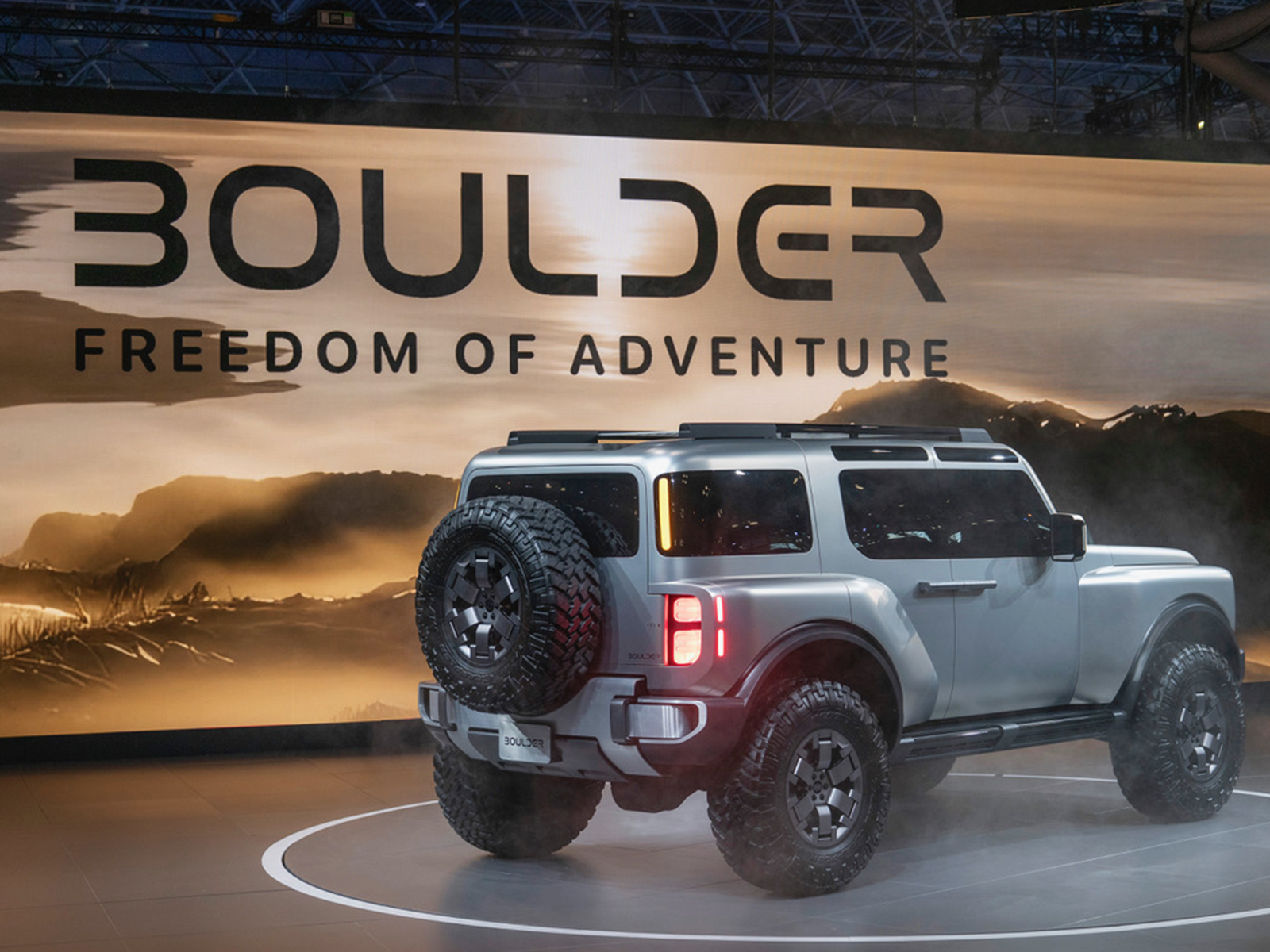
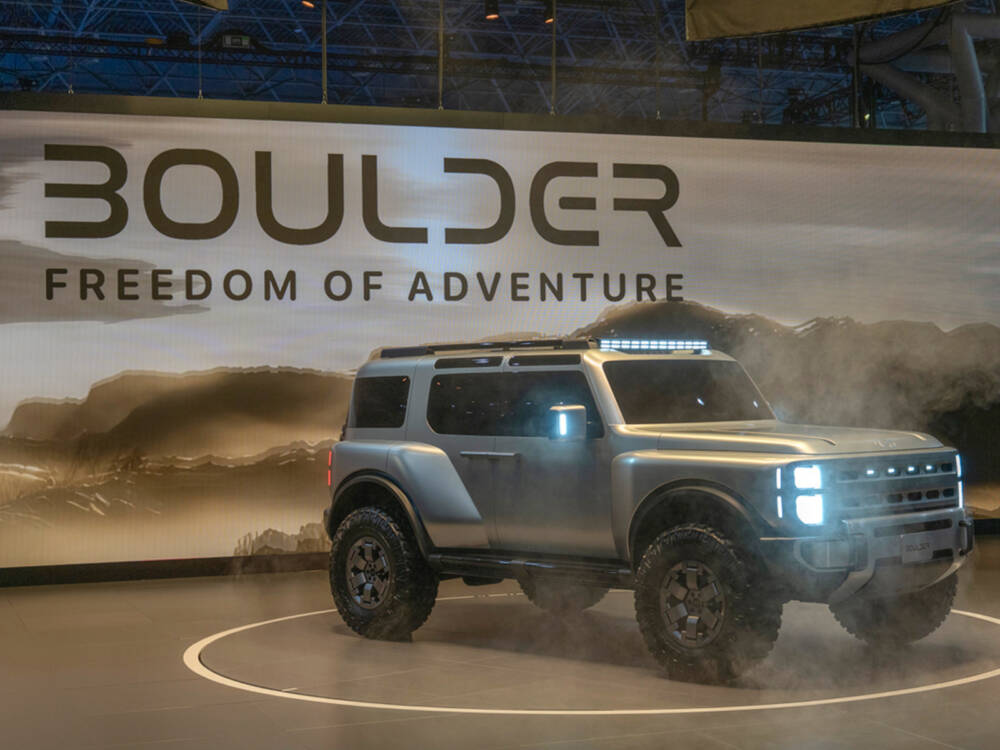
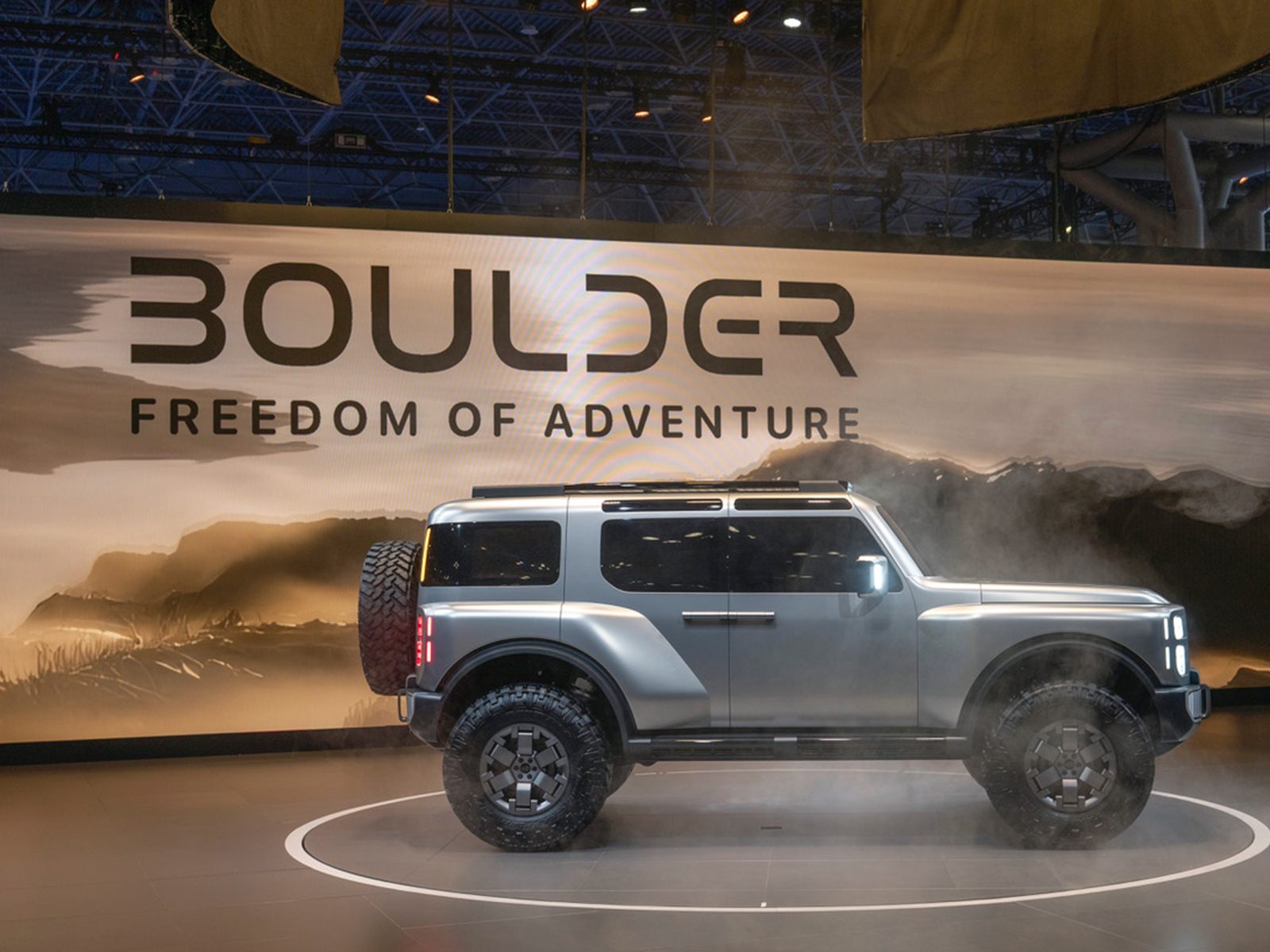
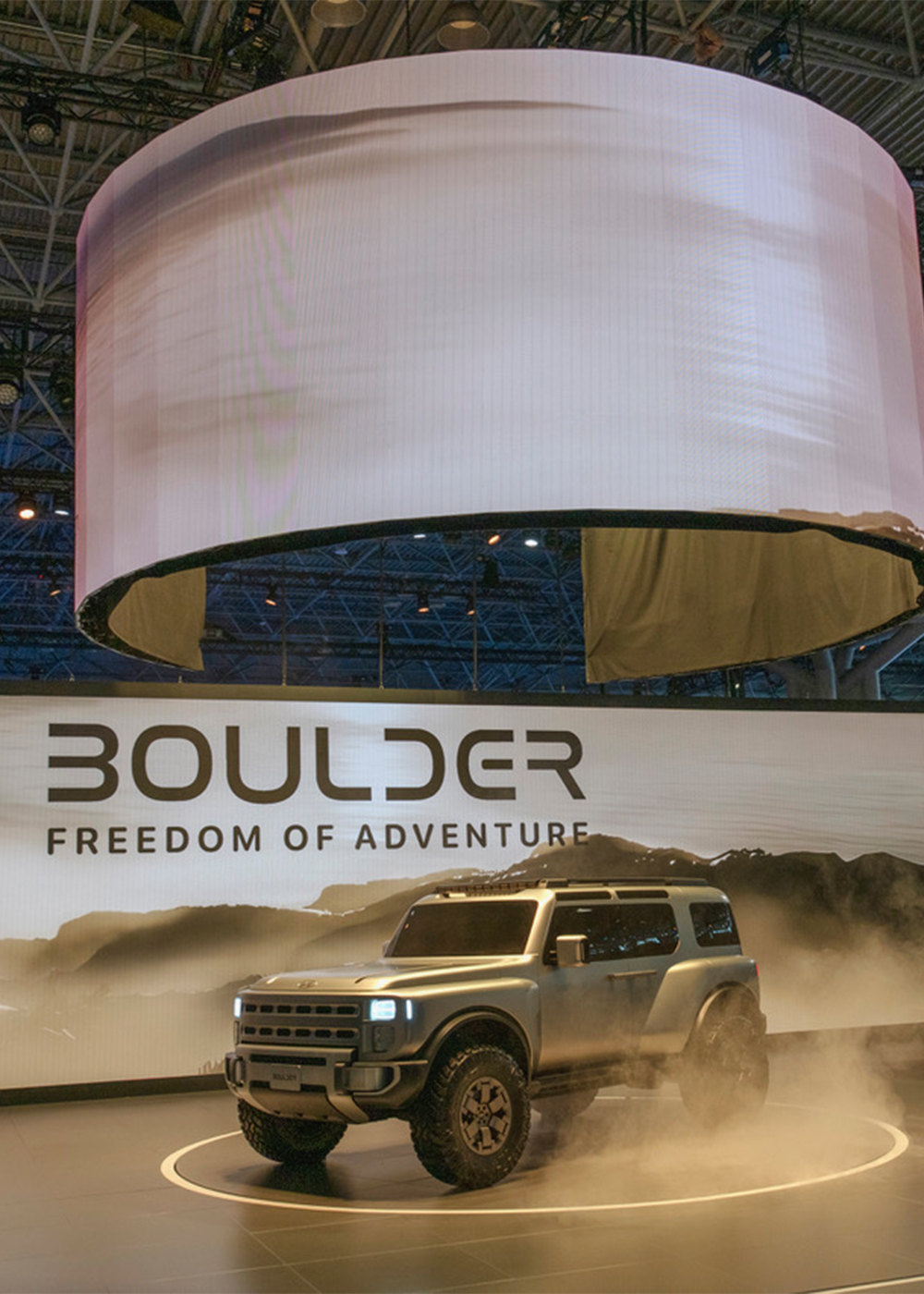
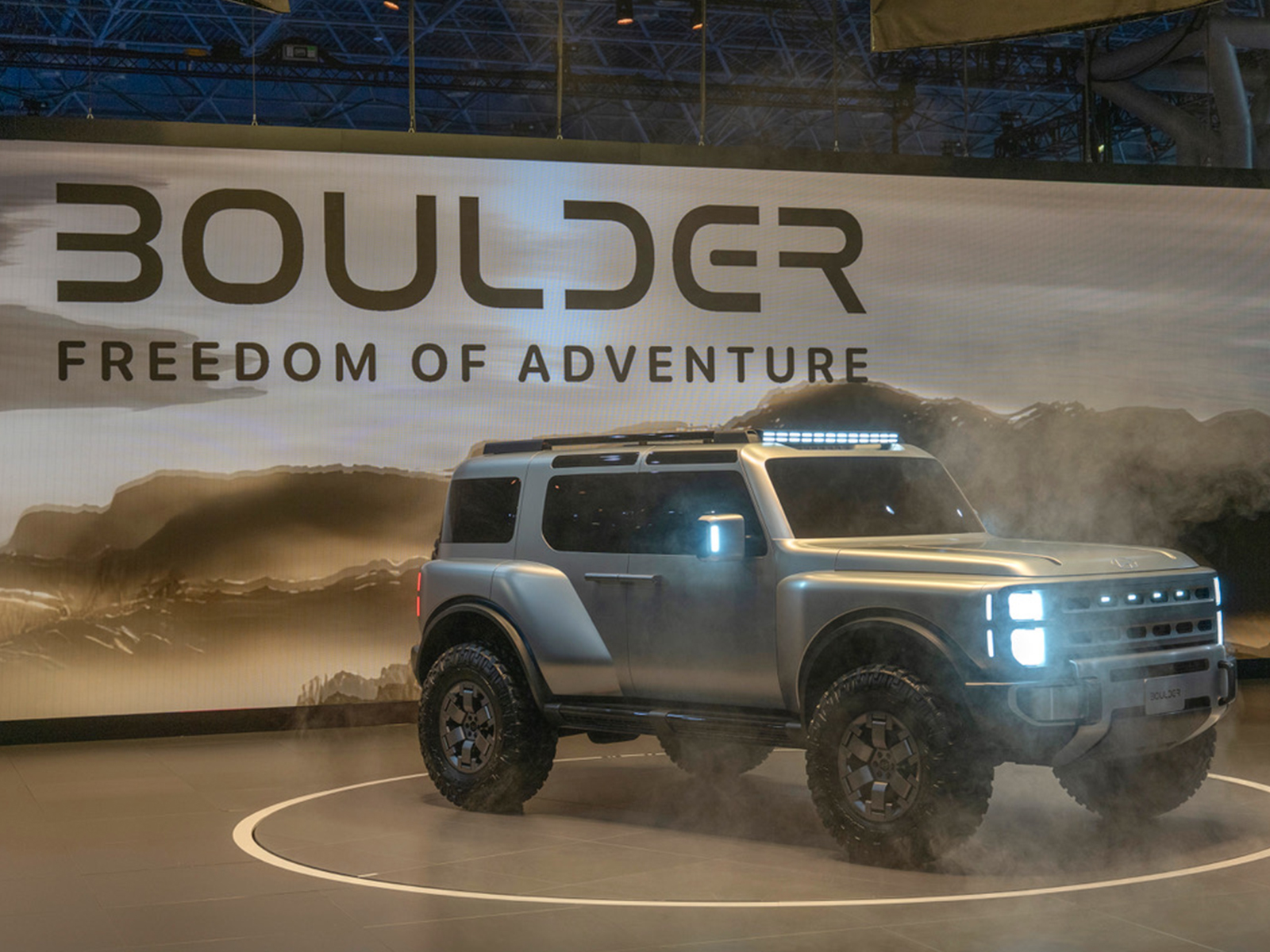
The Boulder Concept.
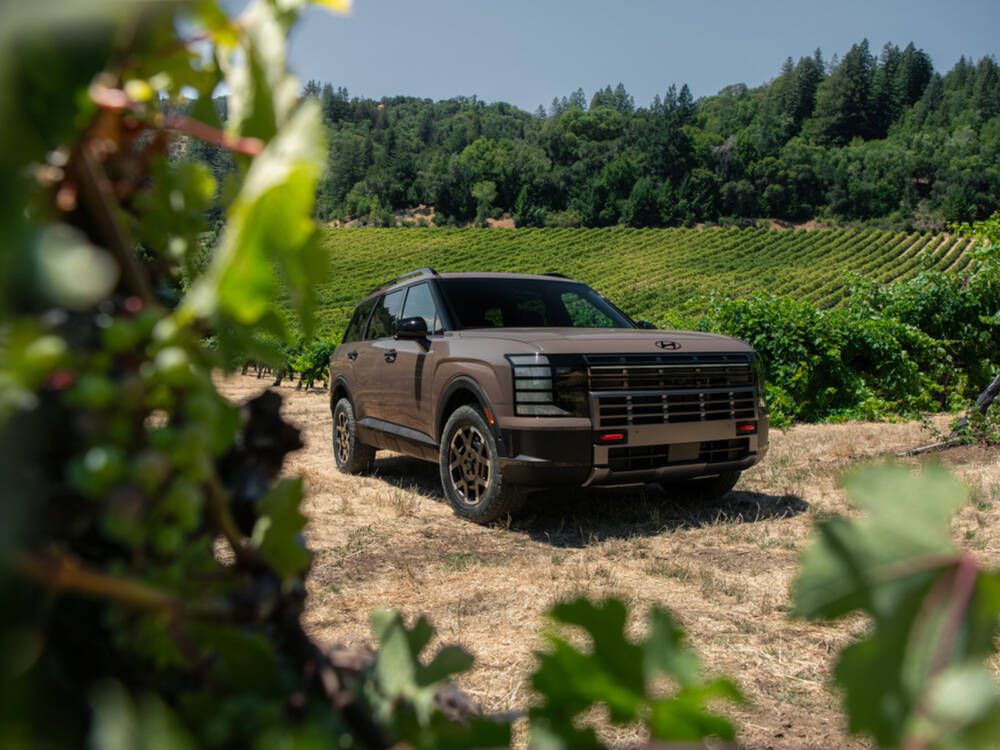
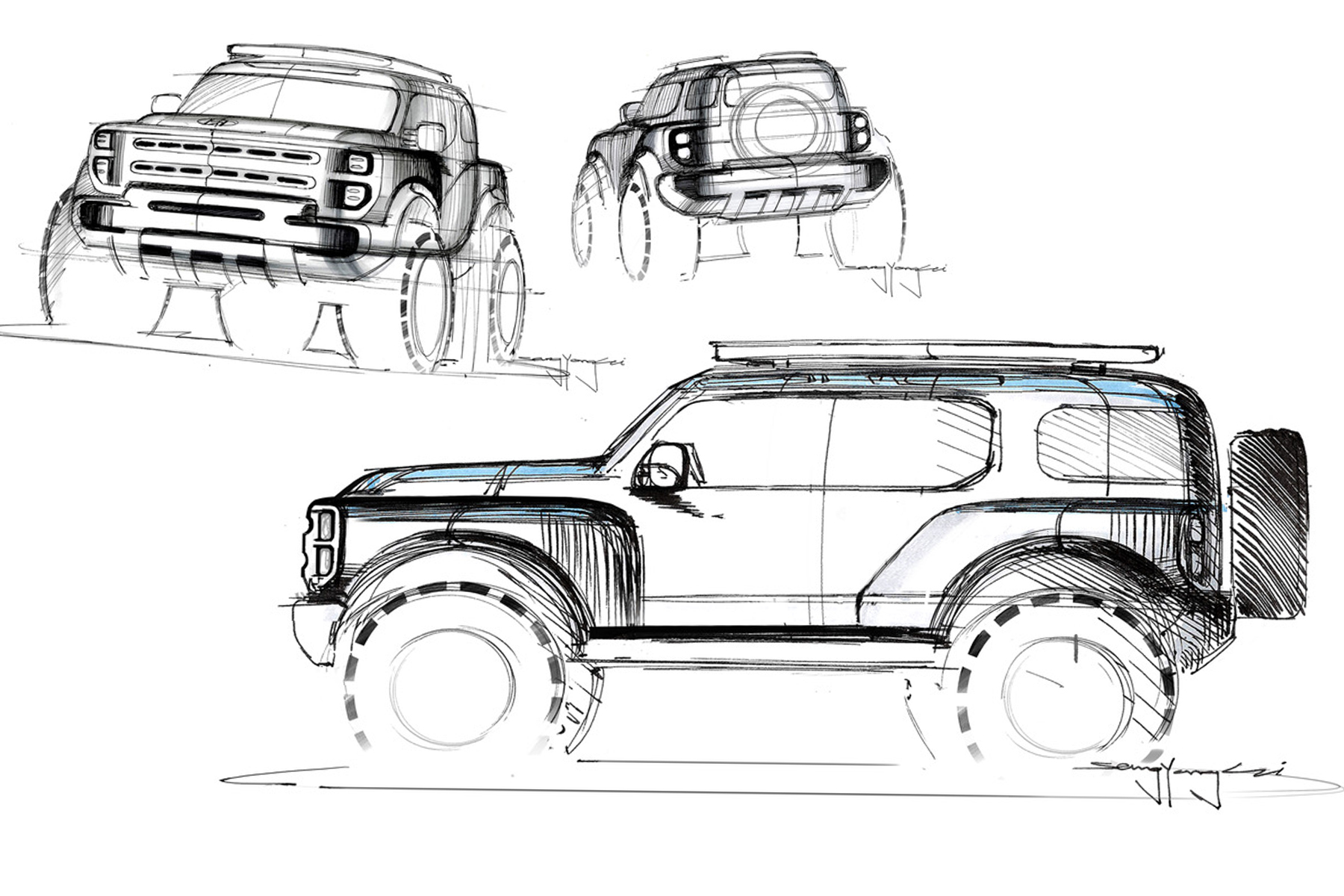
A striking, almost architectural presence, the concept is designed around the idea of freedom—specifically, the freedom to go further, harder, and with intention. Built on a robust body-on-frame architecture, it signals strength, durability, and a kind of functional clarity that feels increasingly rare.
“The Boulder Concept demonstrates how Hyundai is seeking to give American customers more of what they want,” said José Muñoz, President and CEO of Hyundai Motor Company.
At the center of the design is Hyundai’s “Art of Steel” philosophy—a study in how material itself can inform form. Here, steel is not simply structural; it becomes expressive. Surfaces feel sculpted rather than stamped, with volumes that shift between tension and flow, capturing both resilience and restraint.
The result is something that feels less like a traditional SUV and more like a tool—albeit a beautifully considered one.
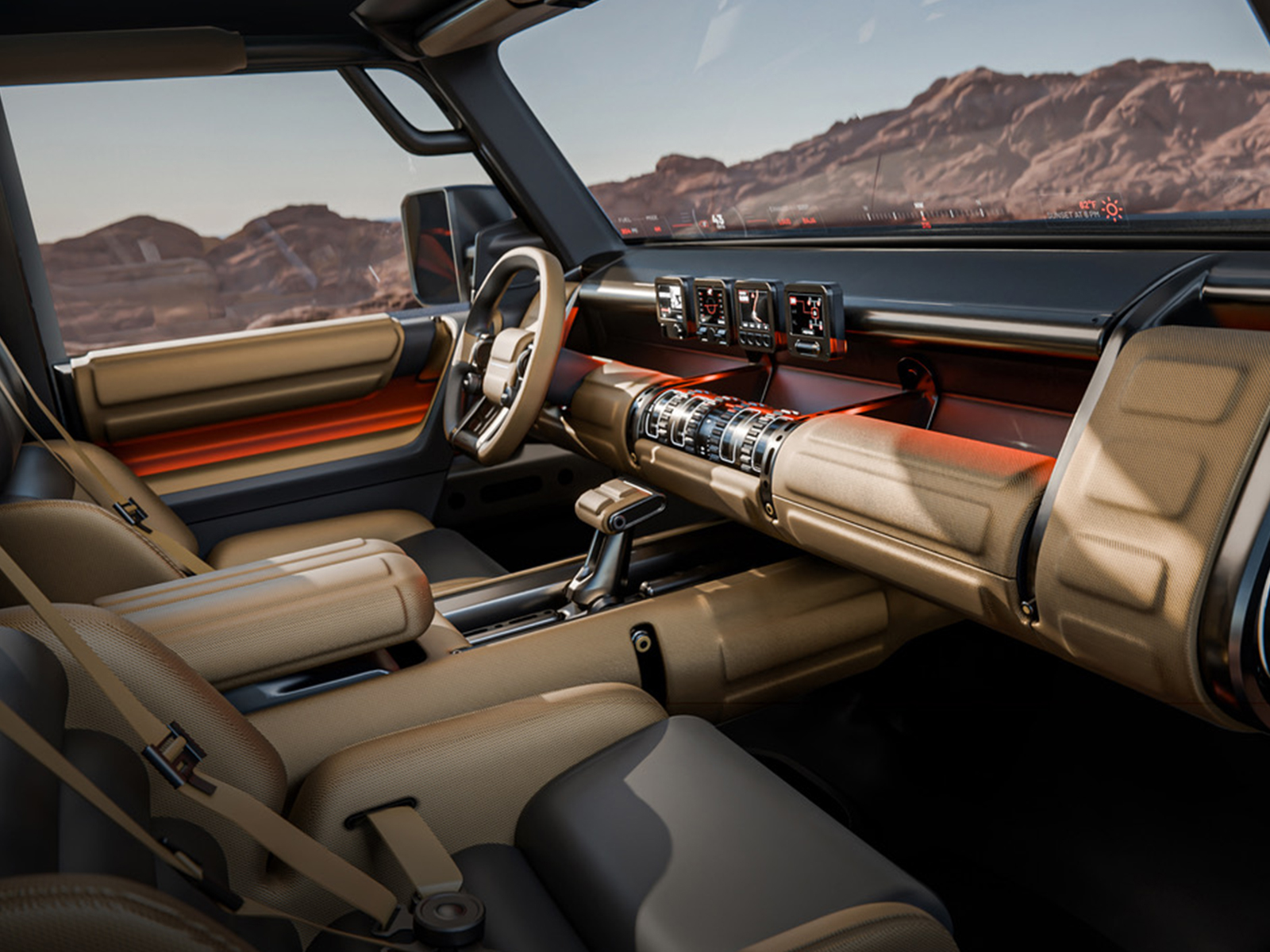
Inside, the focus turns to durability without sacrificing tactility. High-wear touchpoints—grab bars, switches, controls—are built with materials meant to be used, not preserved. Physical knobs and buttons remain, placed intuitively for moments when terrain demands attention elsewhere.
It’s a refreshing rejection of over-digitization.
The interior is configurable, adapting easily between utility and pause. Fold-out tray tables suggest a different rhythm—part expedition, part workspace. A place to stop, regroup, or simply take in the landscape.
Hyundai is clear: the Boulder Concept is a design study. But its presence feels less hypothetical than implied. The appetite is there. The direction, unmistakable.
What Boulder suggests is not just a future product—but a shift in posture. One where capability and design are no longer at odds, but fully aligned.