
There are designers who define a city, and then there are those who quietly become part of its skyline. Michael Kors belongs to the latter category.
Born on Long Island and adopted by Manhattan, Kors built his brand in 1981 and has since become one of New York fashion’s most enduring figures. His rise coincided with the city’s transformation into a global luxury capital, and over four and a half decades he has balanced polish with pragmatism—sportswear with aspiration. His longevity is often attributed to sharp business instincts, and certainly he understands scale, licensing, and global branding. But business alone does not carry a designer through 45 years. It is the discipline of design—an understanding of how women actually live—that has kept him relevant.
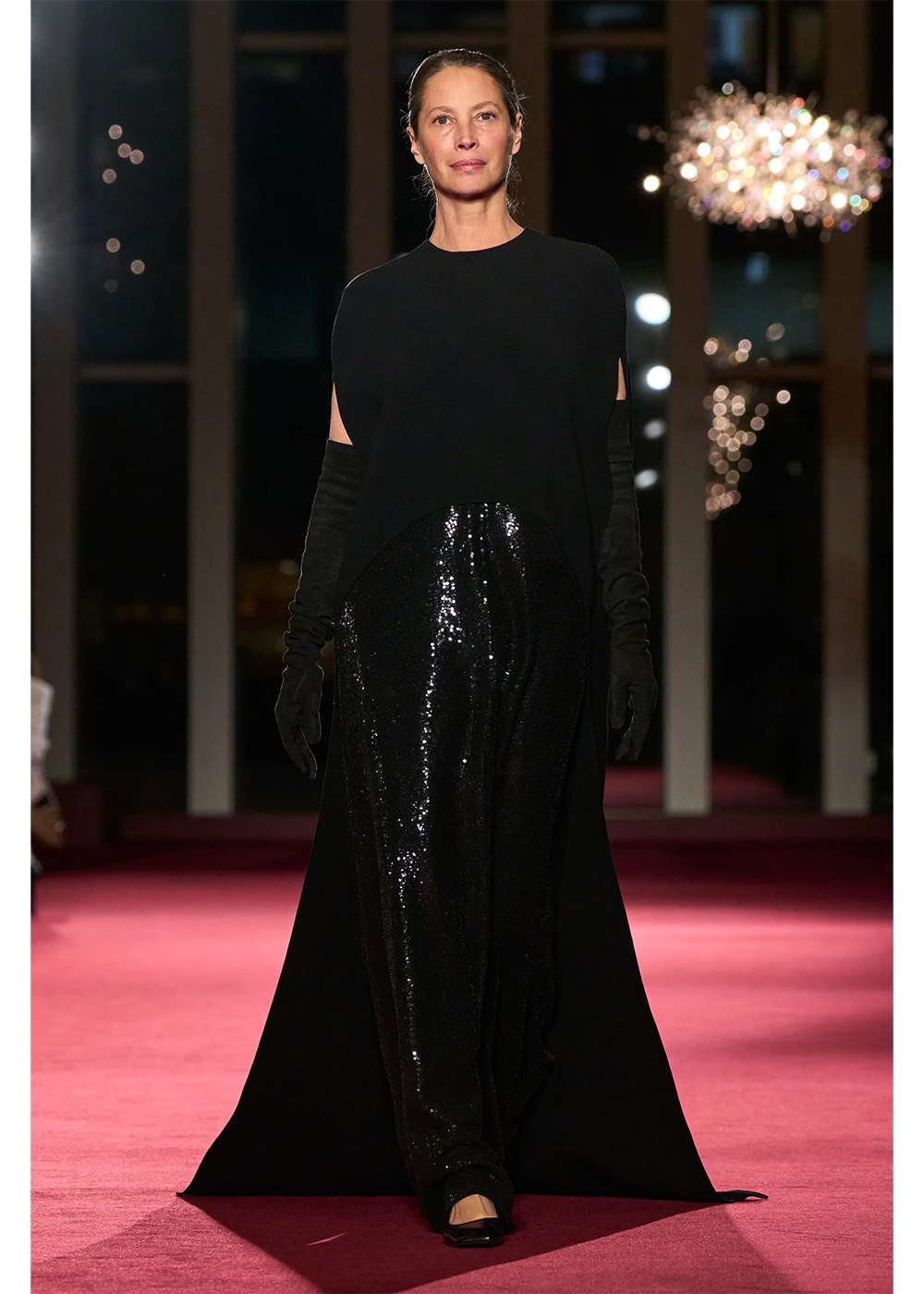
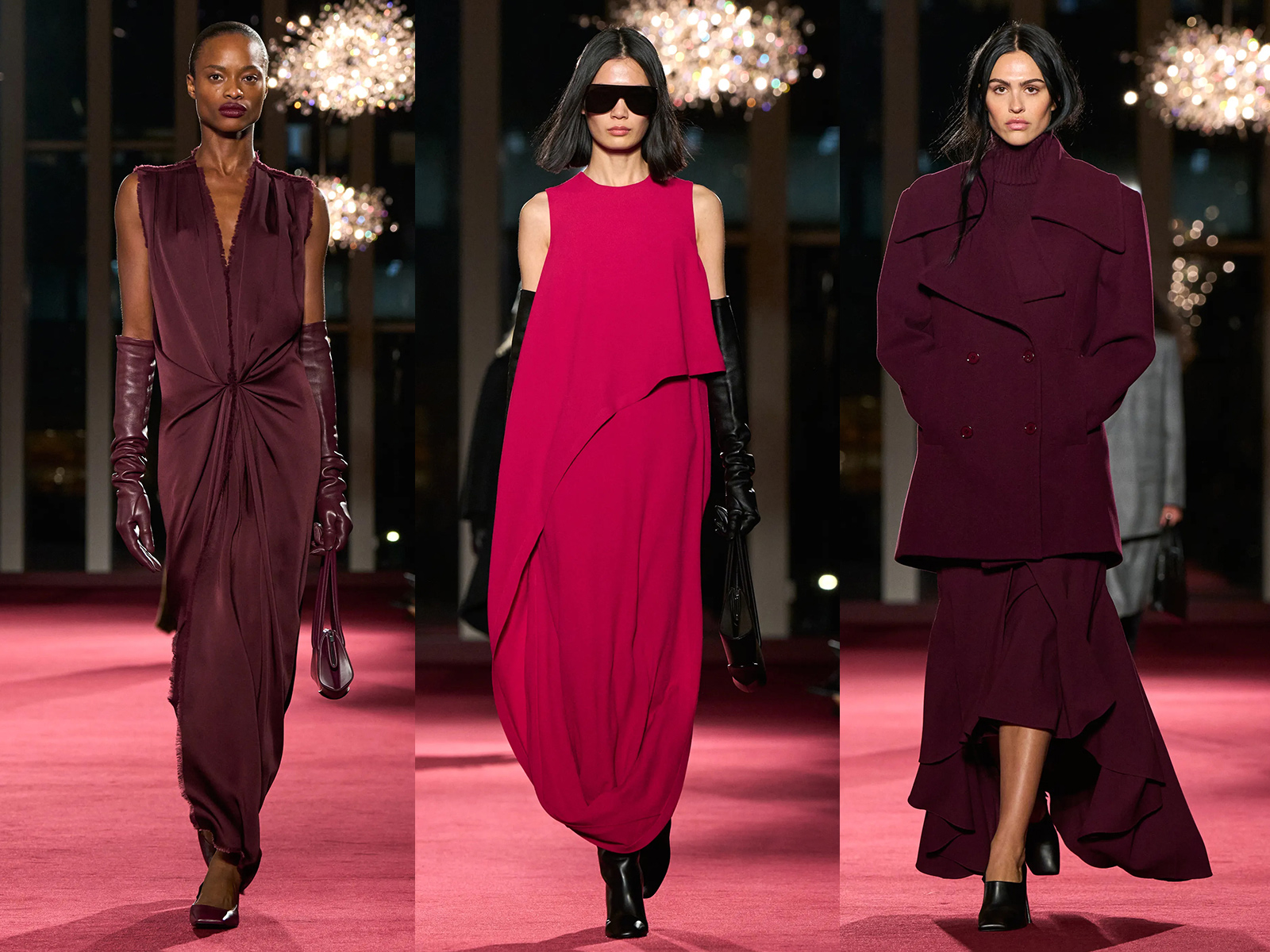
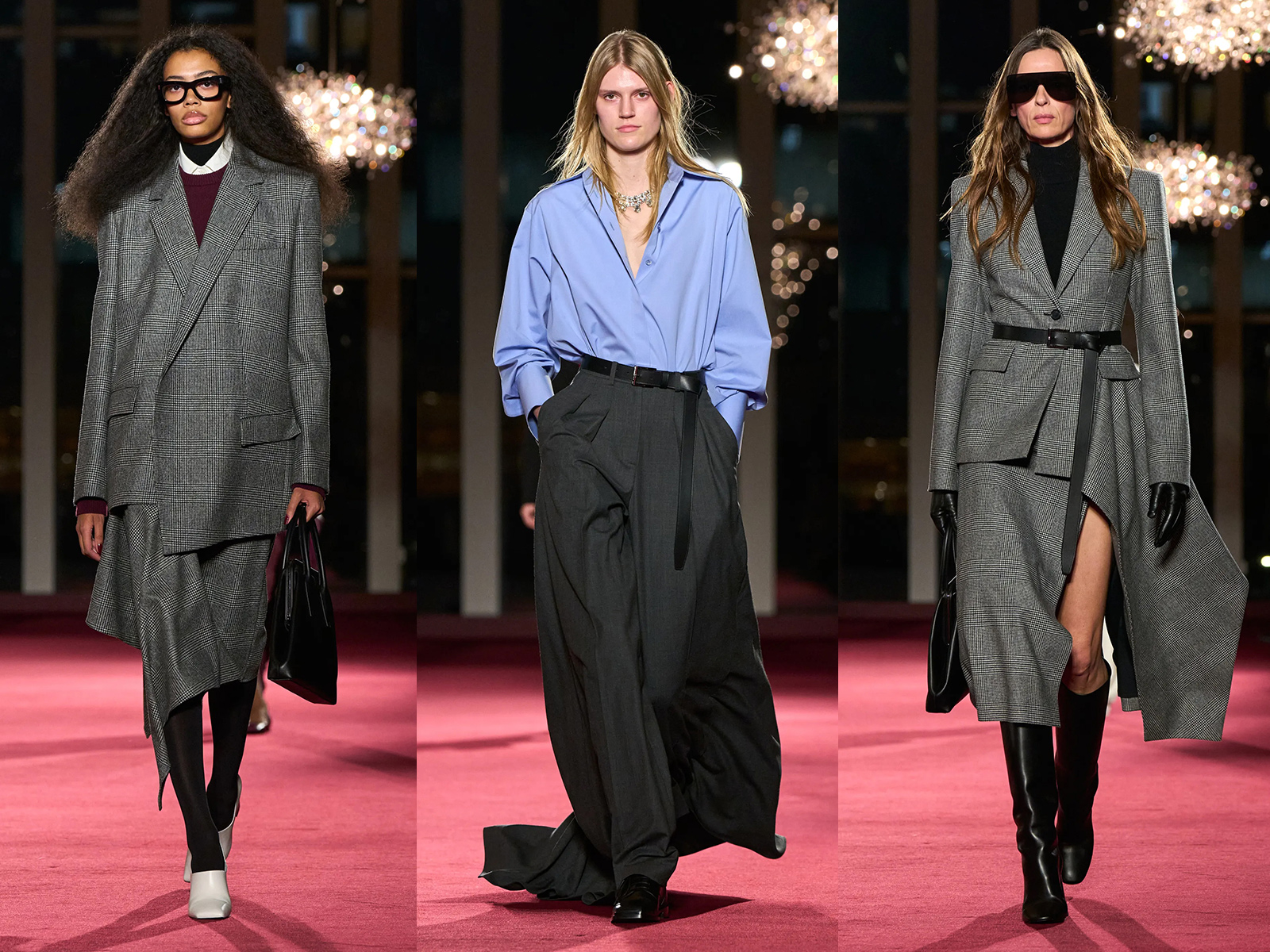
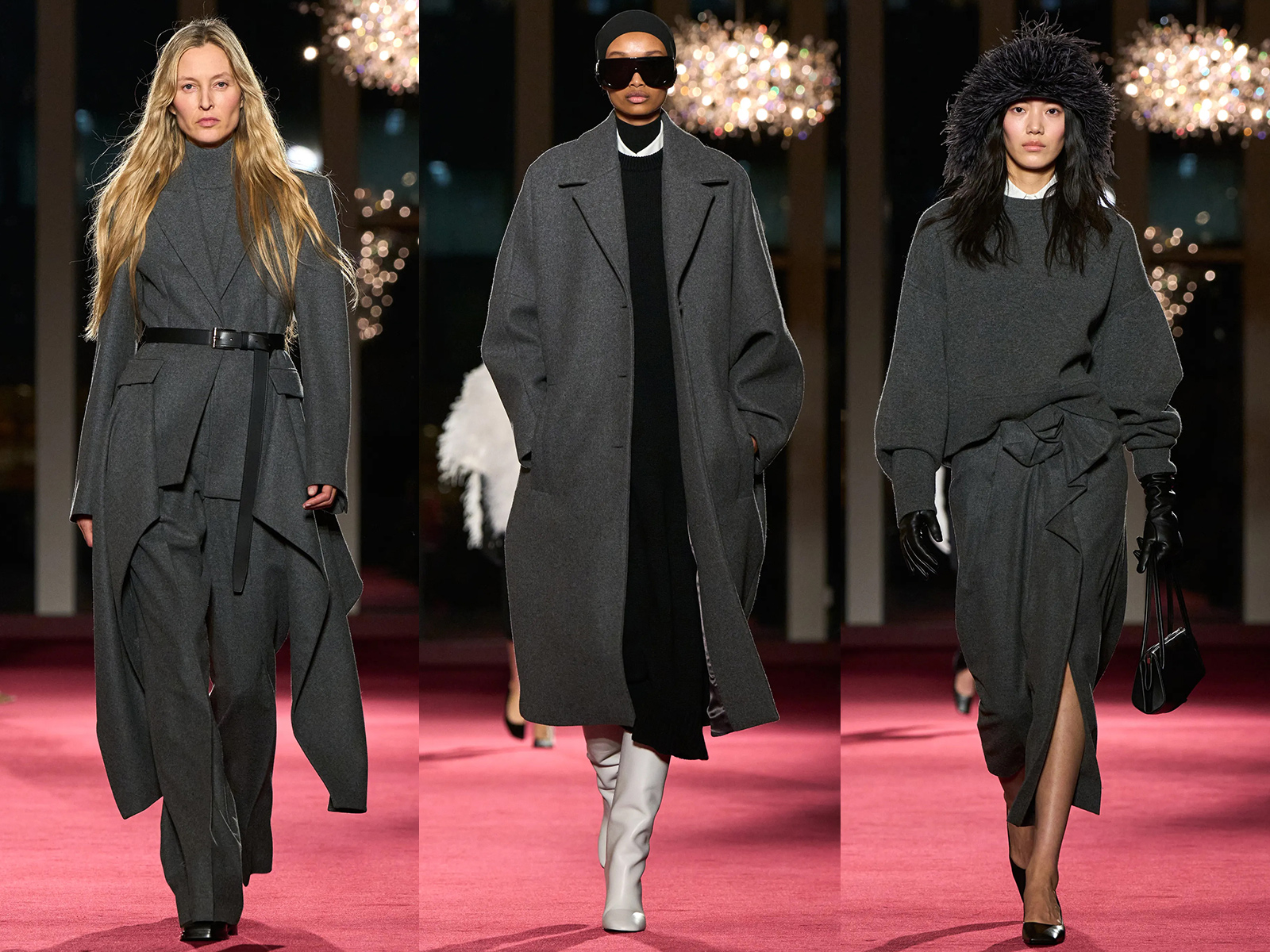
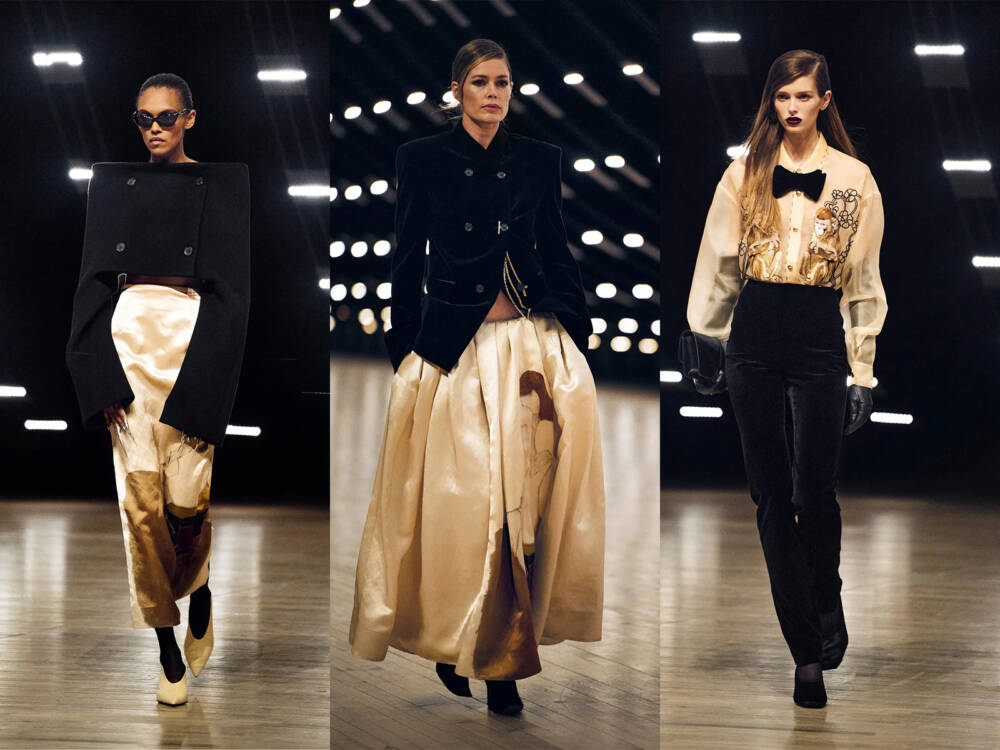
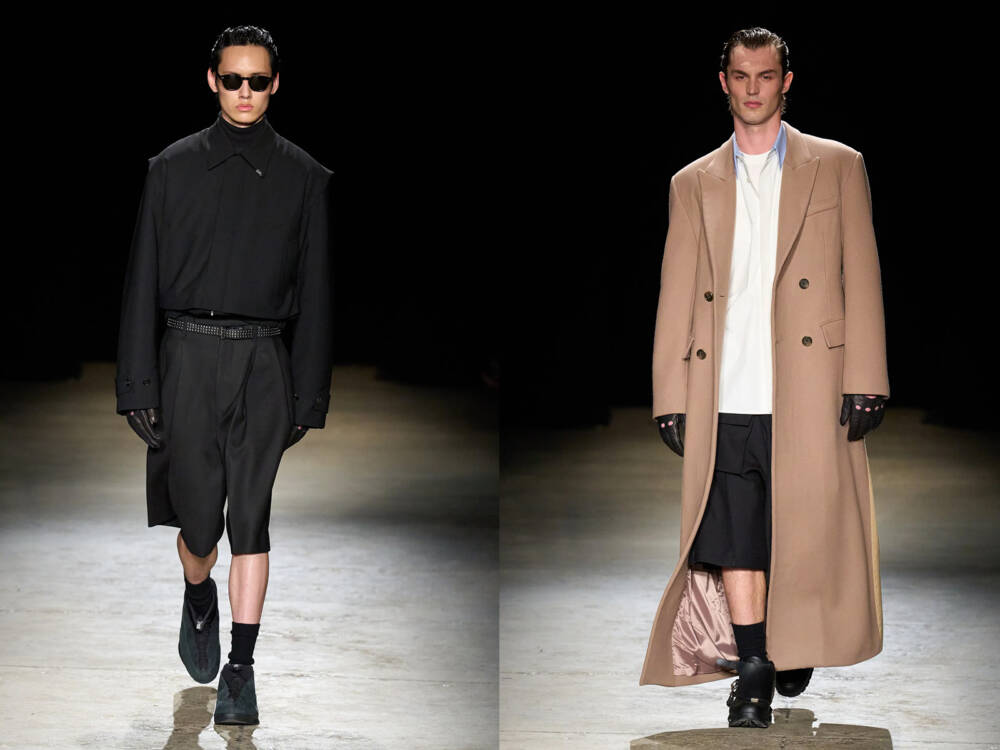
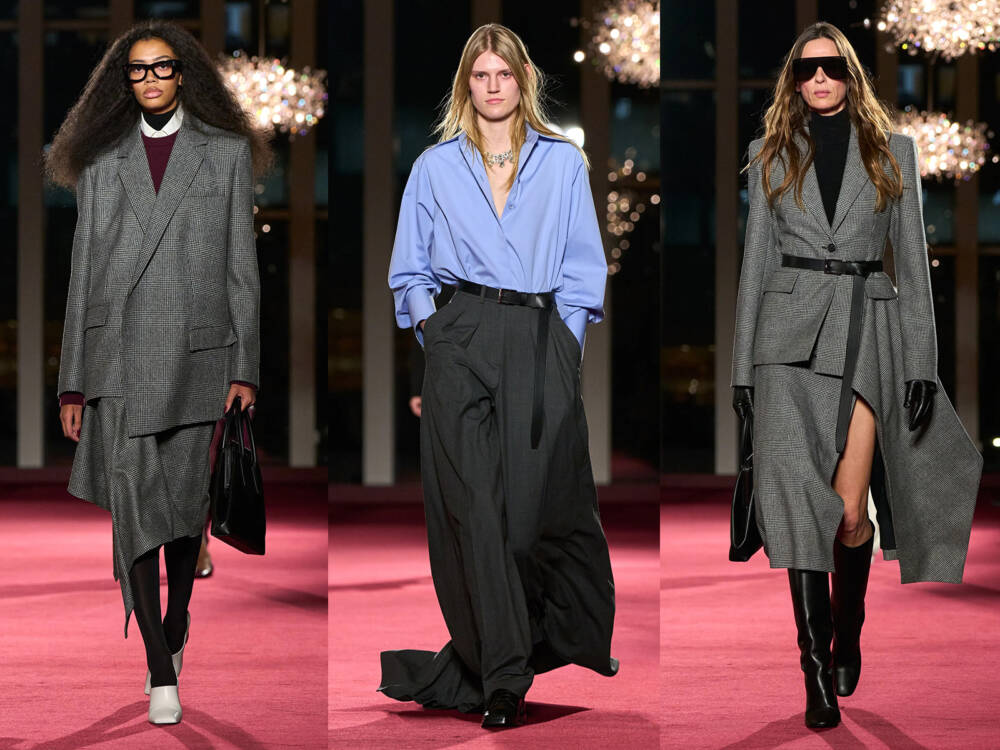
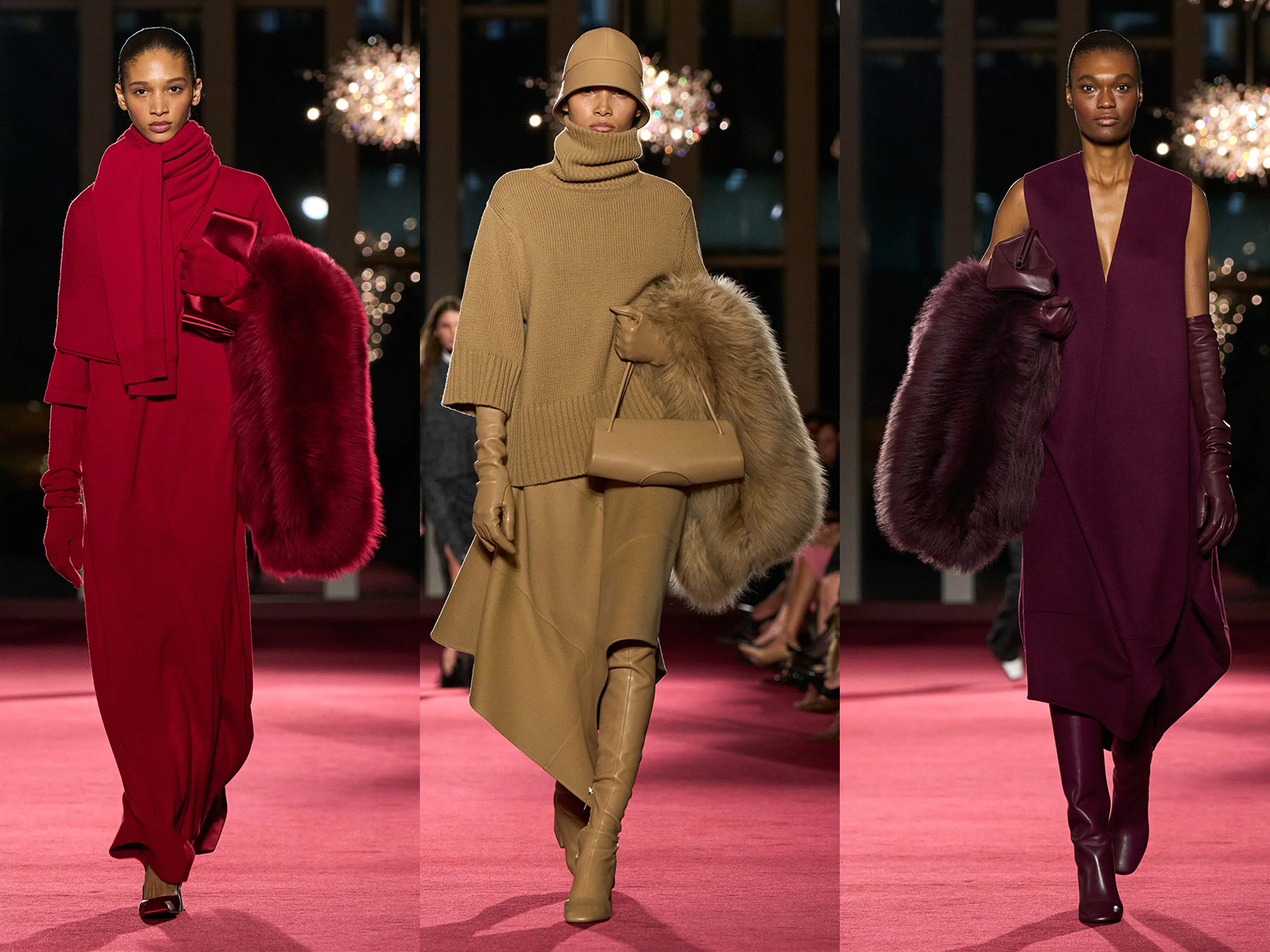
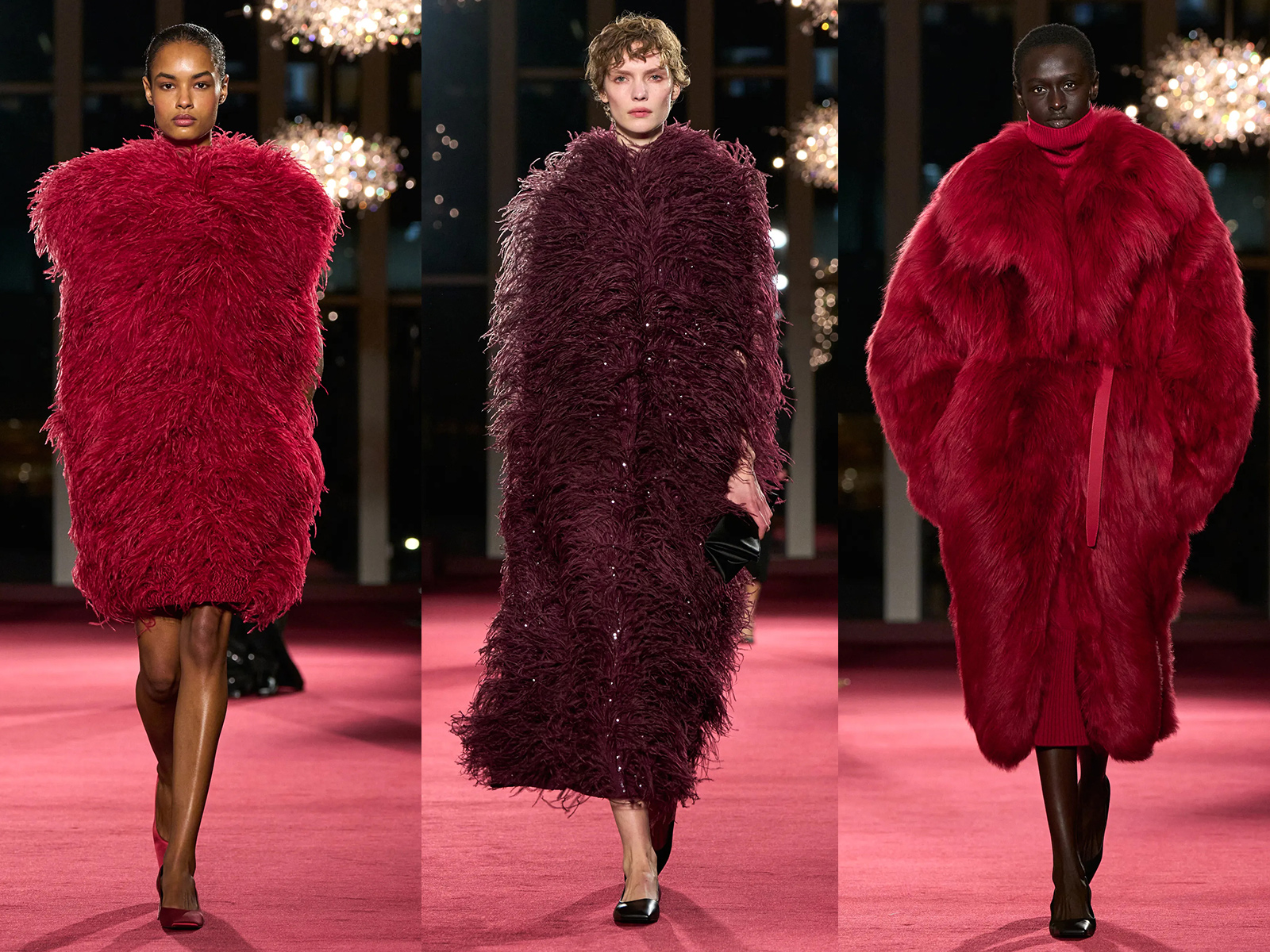
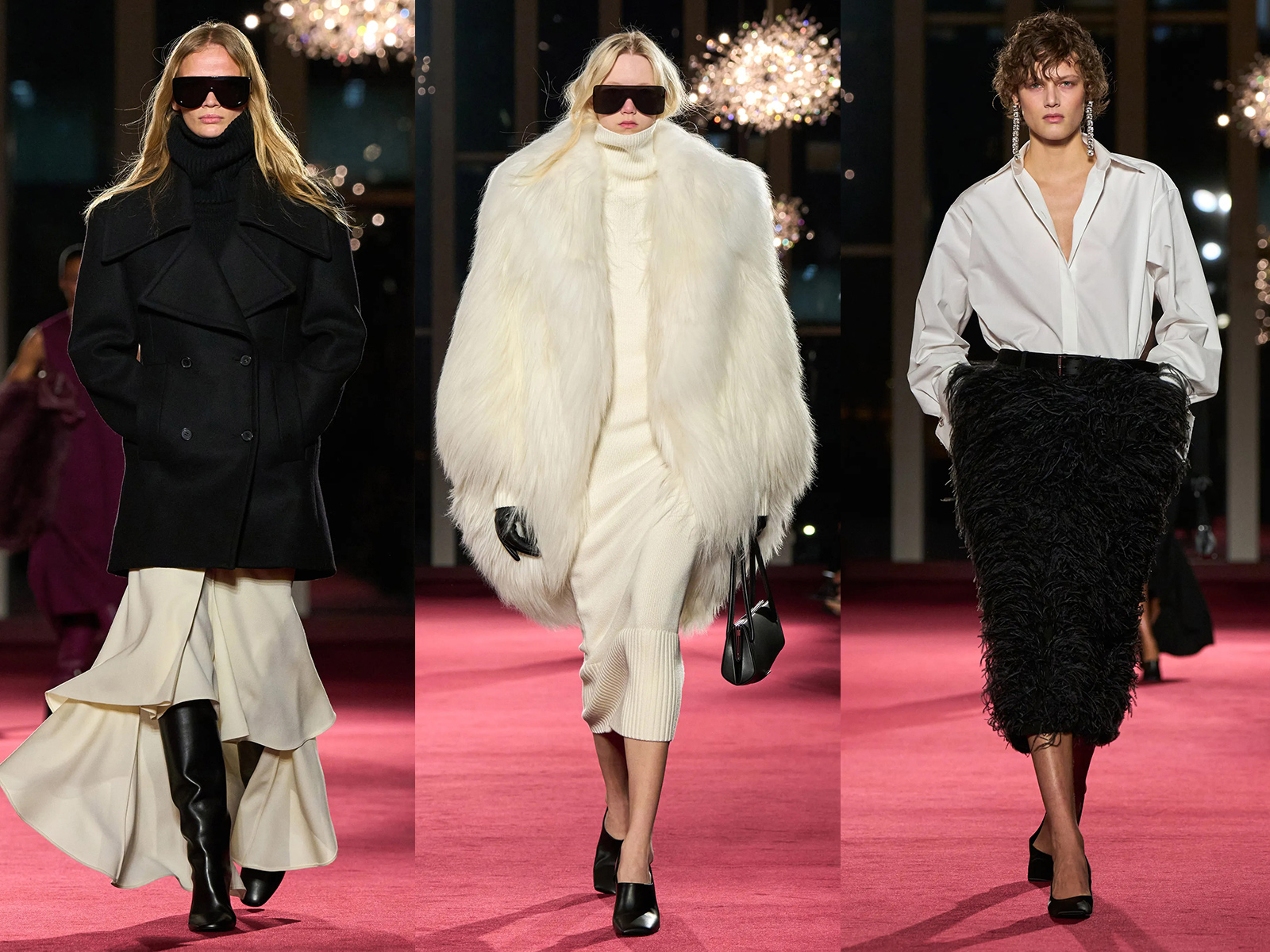
Fall Winter 2026 marks that 45th anniversary with a collection rooted firmly in his adopted city. The palette reads like a Manhattan uniform: black in myriad textures, shades of gray, camel borrowed from traditional menswear, and crisp white that cuts through the urban mood like winter light on Fifth Avenue. And then—red. A confident, unapologetic red that arrives not as accent but as punctuation. These are red-carpet reds, gowns that move with intention, coats that command attention.
Movement, in fact, was one of the show’s quiet triumphs. Bias cuts skimmed the body, allowing fabric to glide rather than cling. Dresses and skirts seemed to respond to the pace of the city itself—never static, always in motion. Even more striking were trousers engineered with elongated trains, a gesture that felt both theatrical and surprisingly practical. It is here that Kors demonstrates his fluency: drama, yes—but grounded in construction.
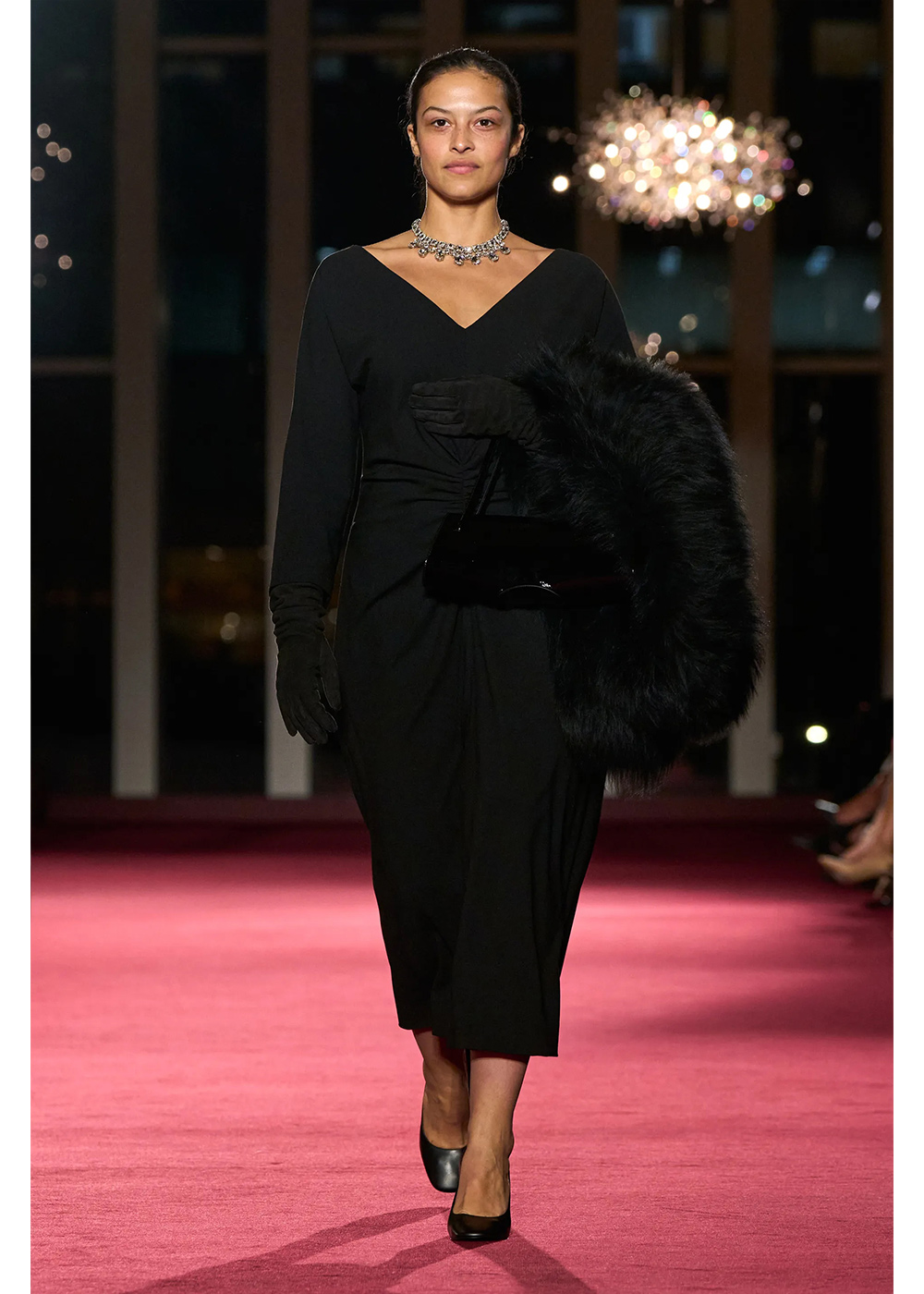
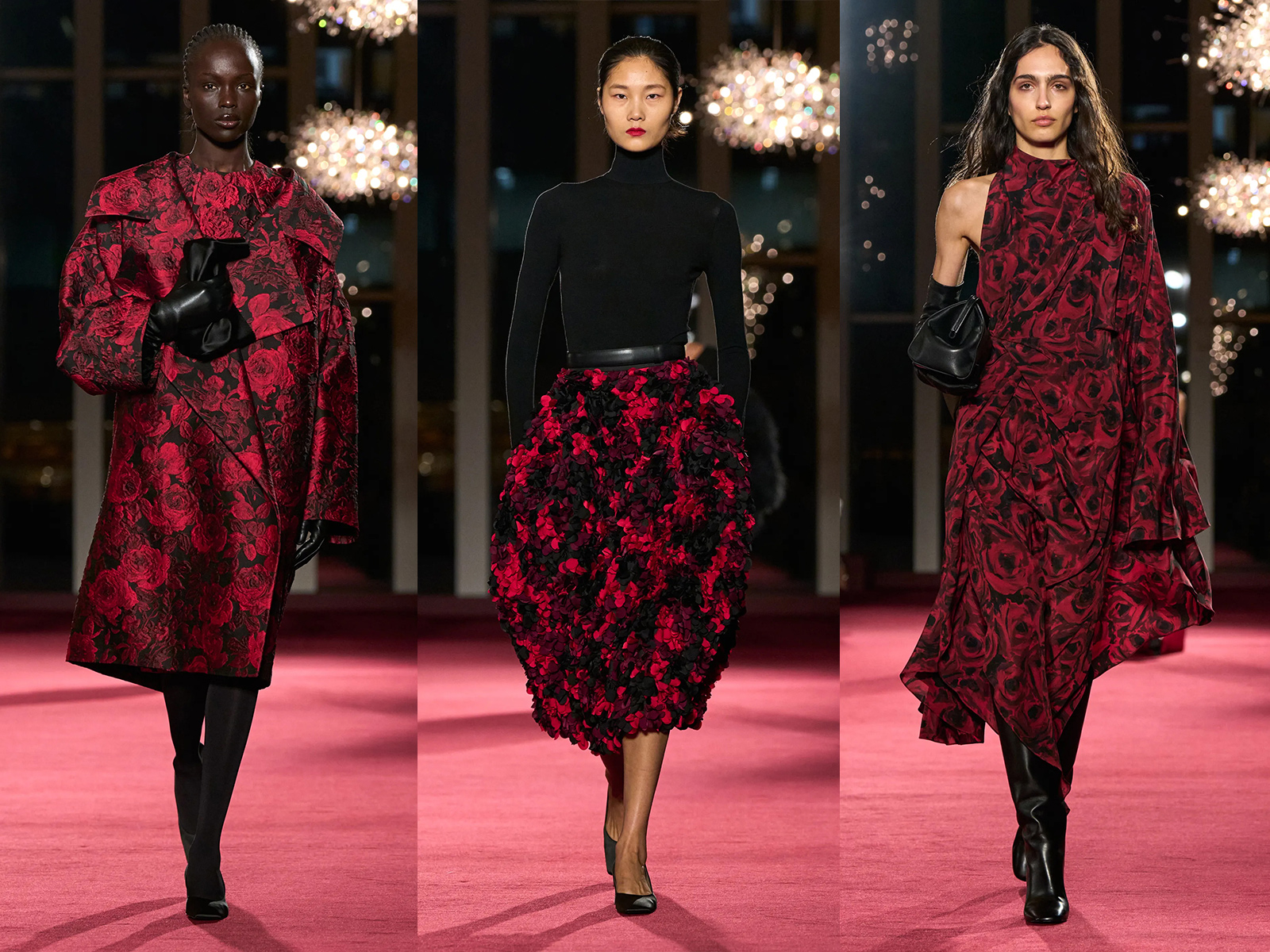
The tension between high and low—another New York signature—ran throughout. Luxe fabrics met straightforward silhouettes. Eveningwear borrowed the restraint of daywear. And as always, the influence of menswear lingered. Camel tailoring, structured coats, and sharp shoulders reminded us that New York designers, for reasons both aesthetic and cultural, rarely relinquish their affection for masculine codes in womenswear. One might gently ask: Will they ever soften? Yet perhaps that edge is precisely what defines the city’s fashion voice.
The show unfolded at the Metropolitan Opera House at Lincoln Center, a setting grand enough for a 45-year milestone yet unmistakably New York in its cultural weight. The front row reflected Kors’ rare cross-generational reach. Dakota Fanning sat alongside Gabrielle Union, while Uma Thurman and Leslie Bibb brought a polished ease that mirrored the collection’s assured tailoring. Suki Waterhouse and Olivia Munn leaned into the city’s sleek neutrality, while Mary J. Blige and Ariana DeBose embodied the glamour of the collection’s red punctuation. Presiding, as ever during New York Fashion Week, was Anna Wintour—a reminder that Kors’ history is interwoven with the modern American fashion narrative.
And then, the finale: Christy Turlington. Her closing walk felt less like nostalgia and more like continuity—a supermodel not as relic, but as living architecture of the industry. Michael Kors.